

Engaged Mentors
Partners in life and in graduate school, MD/PhD candidates Bijan Abar and Rebecca Gibson have helped one another thrive as mentors

Duke Medical Students Celebrate Match Day 2023
106 fourth-year medical students at Duke opened their envelopes and learned where in the country they will complete residency training.

Video: Third-year Duke Medical Student Alexa Campbell
Third-year Duke medical student Alexa Campbell is working with Drs. Jeff Federspiel and Sarahn Wheeler in the Department of Ob/Gyn to better understand how racial disparities can lead to negative outcomes in preeclampsia patients.
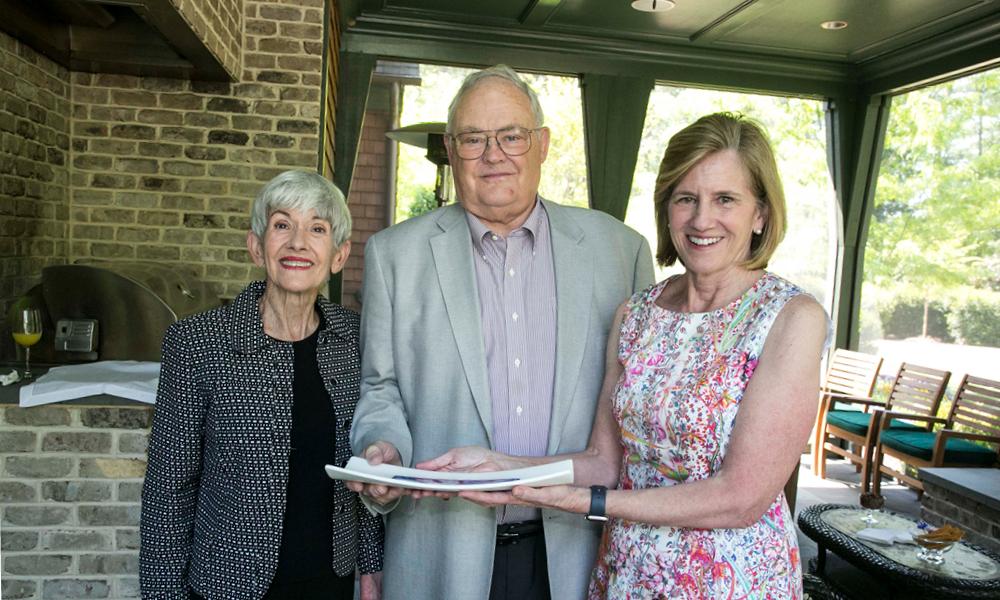
Video: Meet Dudley Rauch, the School of Medicine's Largest Scholarship Donor
Meet the man behind the single largest commitment for financial aid ever made to the School of Medicine — $30 million to establish an endowment for need-based financial aid for medical students.
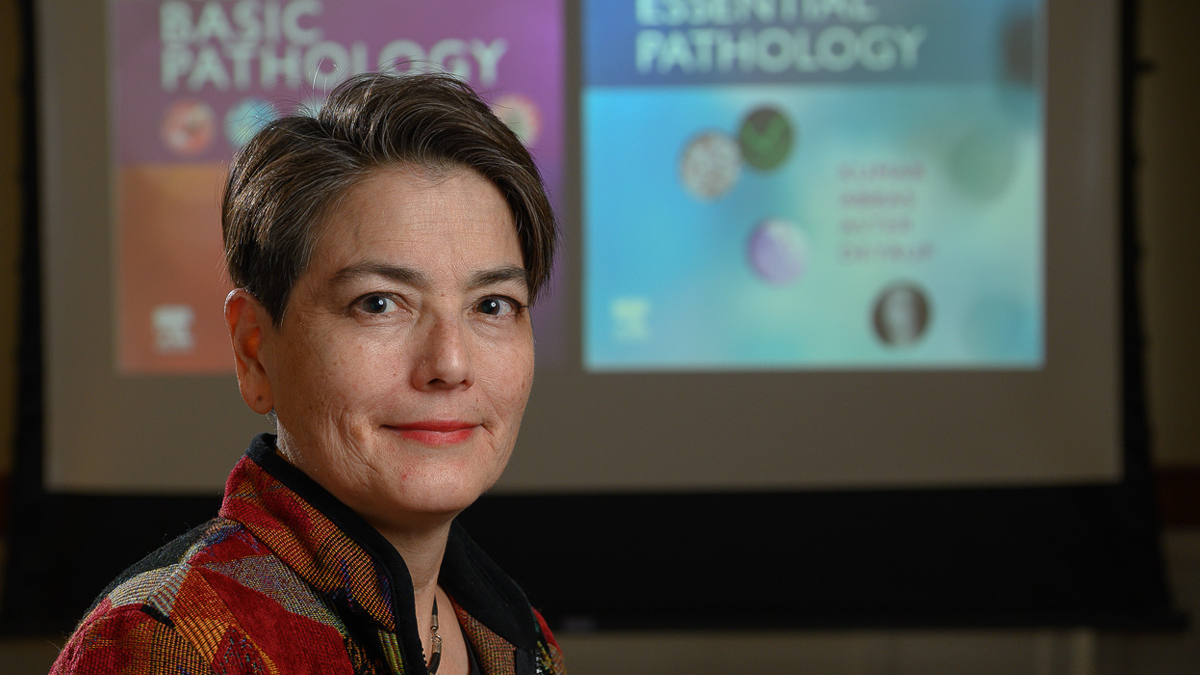
Shaking a Shared Delusion: Andrea Deyrup Combats Race-Based Medicine
Andrea Deyrup, MD, PhD, a professor in the Department of Pathology, challenges a long history of race-based medicine that she says is often based on questionable assumptions and flawed science yet deeply embedded in clinical decision-making.

School of Medicine Withdraws from U.S. News & World Report Rankings
Duke University School of Medicine is withdrawing from the annual U.S. News & World Report rankings of medical schools, Dean Mary E. Klotman, MD, and Vice Dean for Education Edward Buckley, MD, said Friday.

Shree Bose Named to Forbes 30 Under 30 for Science
At 28, Shree Bose’s resume has already acquired some impressive accolades, and has now another feather for her cap: being named to the 2023 Forbes 30 Under 30 List in science.
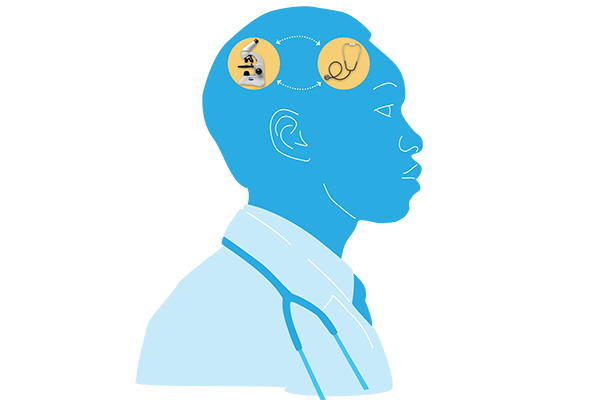
One Foot in the Clinic, the Other in the Lab
Health challenges across the globe — everything from climate change to infectious disease and better treatment options for patients — precipitate the need for skilled physician-scientists: physicians who see patients in the clinic and who also devote time to scientific research. Duke programs including the Office of Physician-Scientist Development and the Medical Scientist Training Program are helping to meet that need.
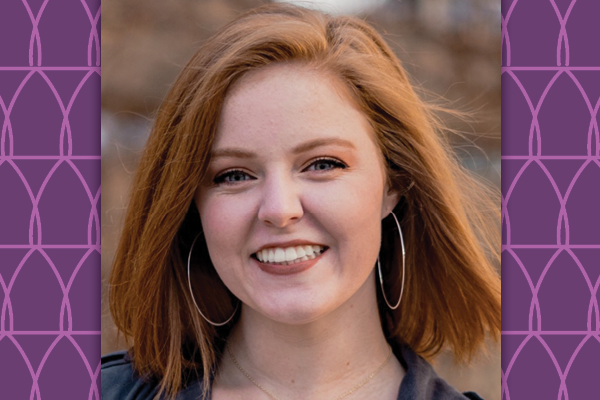
Beaman Wins Best Platform Presentation at David W. Smith Workshop
Makenzie Beaman, a pediatric scientist in training in the Medical Science Training Program (MSTP), was selected for the best fellow platform presentation award at the 43rd Annual David W. Smith Workshop on Malformations and Morphogenesis on August 23.
Out of the 64 fellows and medical genetics residents and fellows in the workshop, 13 were selected to give platform presentations. Beaman and one other were selected as the co-best presentation.
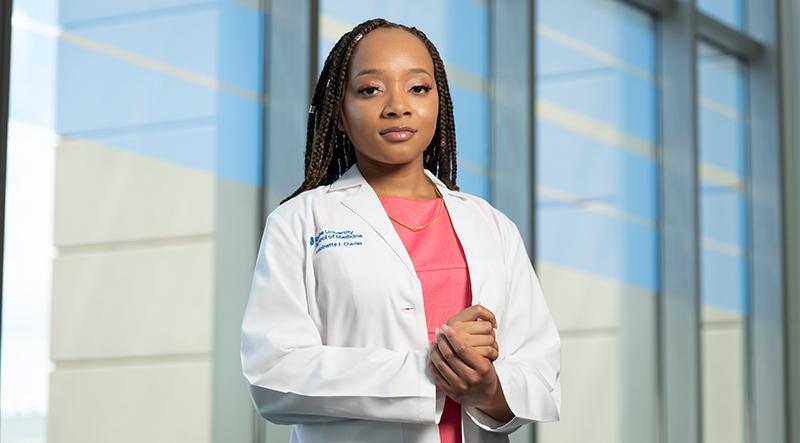
‘A Leader Already’: Second-Year Medical Student Participates in White House Innovators Series
Antoinette Jasmine Charles, a second-year medical student, has already built an impressive record of social justice, activism, and civic service. This summer she was invited to join the White House Health Equity Leaders Roundtable Series, a series of discussions among medical students, clinicians, and policymakers focused on issues including access to care and social determinants of health.