

Shah Awarded Gill Heart and Vascular Institute Outstanding Contribuitions to Cardiovascular Research Award
Svati Shah, MD, Ursula Geller Distinguished Professor of Research in Cardiovascular Diseases, received the Gill Heart and Vascular Institute Outstanding Contributions to Cardiovascular Research Award from the University of Kentucky.

Svati Shah wins Gill Heart and Vascular Institute Award for Outstanding Contributions to Cardiovascular Research
The award recognizes notable and life-long achievements in research that have had a sustained impact on understanding cardiovascular biology and disease and/or that have changed the standard of cardiovascular clinical care.
Duke Center for Precision Health Awards Pilot Funding to Advance Genomic Science
The Duke Center for Precision Health and Precision Genomics Collaboratory have awarded five pilot grants to advance genomic science at Duke by leveraging and enhancing the OneDukeGen study infrastructure.
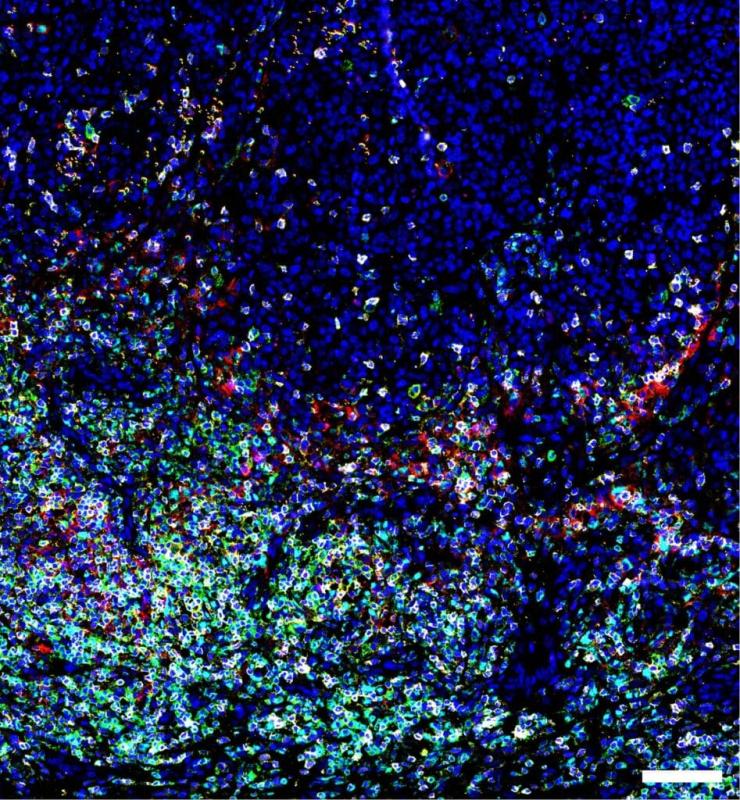
A Genomic Medicine Story (with only a little CRISPR)
While the Nobel-winning genome-editing technology CRISPR holds great promise, Duke’s Center for Advanced Genomic Technologies is putting some eggs in other baskets.

Closing in on the Causes of a Dangerous Bleeding Disorder
Hereditary hemorrhagic telangiectasia (HHT) is an inherited disorder in the blood vessels that can lead to a range of complications. Treatment options are limited and don’t address the cause of the disease, but a new study points the way toward strategies for developing more targeted and effective treatments.

Lori Orlando Part of New NIH-funded Genomics Initiative Award
Duke University, in collaboration with the Veterans Health Administration (VA), has received one of six awards from a new $27 million initiative from the National Institutes of Health to establish a genomics-enabled Learning Health System (G-LHS) network

Gut microbes may help chew your food
Duke researchers are exploring how the human gut microbiome affects digestion and fecal particle size.
The study, led by Jeff Letourneau, PhD, while in the lab of Lawrence David, PhD, associate professor of molecular genetics and microbiology, examined how chewing efficiency and food processing impact the microbiome and fecal particle size in humans.

New Platform Targets and Represses Disease-Causing Genes
Genes provide the most basic blueprint for building and regulating cell development, but as we age, these blueprints can get altered. As genes overexpress, they can cause a host of diseases, including neurodegenerative diseases like Alzheimer’s and Parkinson’s.
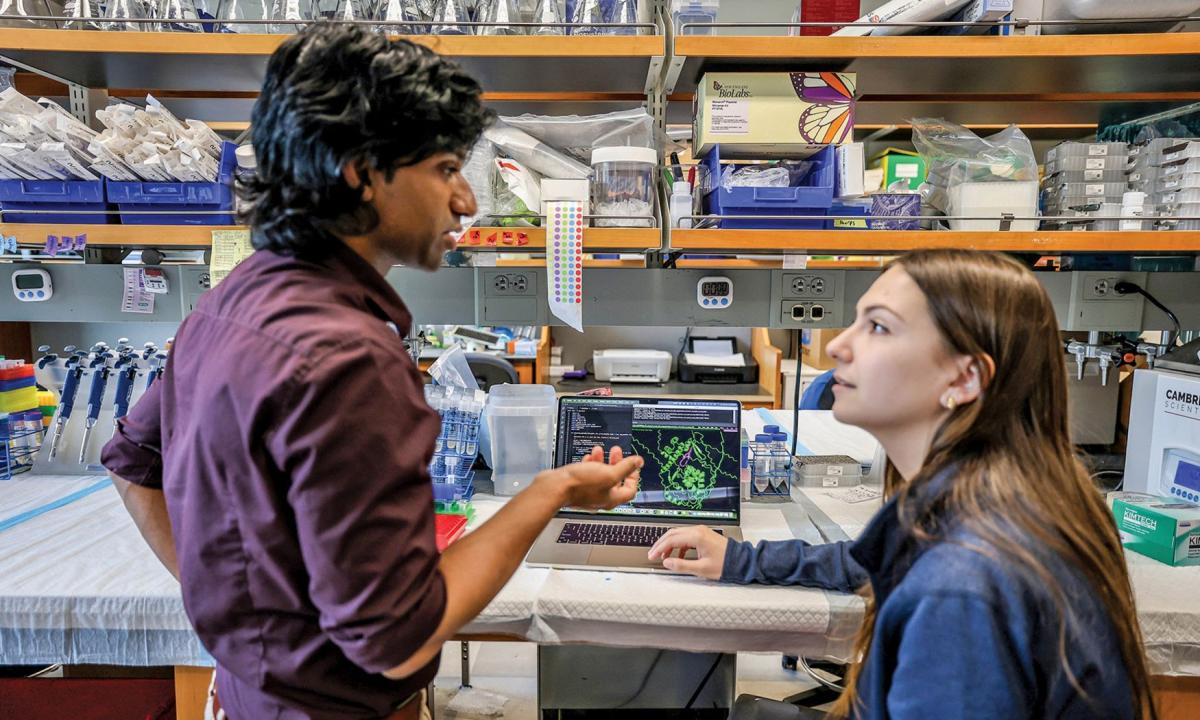
Pranam Chatterjee featured in Duke's Quantum Leap in AI
The computer screen in Pranam Chatterjee's lab is filled with neon-green squiggles that curl in every direction. It's a digital model of a protein in the cell of a rare pediatric cancer called alveolar rhabdomyosarcoma, or ARMS.
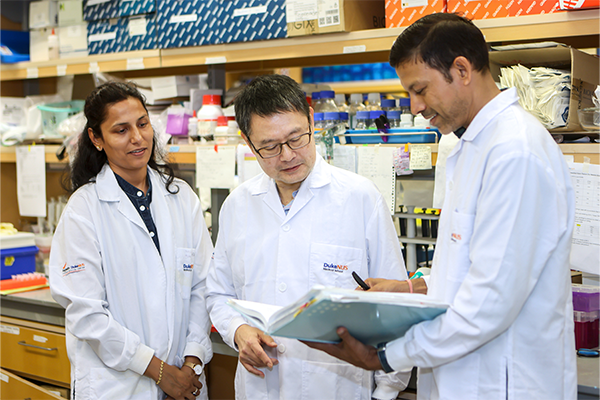
A New Twist on an Old Hormone Leads to First Drug for a Type of Liver Disease
Fatty liver disease happens when a person’s body begins to store fat in the liver, which can damage the organ. Some forms of fatty liver disease are caused by excessive alcohol use.