

Lindsell named vice dean for data science and AI
Christopher Lindsell, PhD, has been appointed vice dean for data science and AI for Duke University School of Medicine, effective April 1, 2026.

Duke seminar prepares PA students for AI’s future in health care
Nicholas Hudak, PhD, PA-C, professor in family medicine and community health, is guiding physician assistant students in learning the responsible use of AI in clinical practice.

Turning big data into better care for women
Physicians and researchers from across the region gathered Feb. 6 at the Duke Women’s Health Symposium to examine the limited depth of research focused on women’s health and to showcase the data-driven tools they believe can finally change that.

The hidden risks of asking AI for health advice
While AI chatbots can deliver quick answers, their context-blind accuracy may mislead patients in ways that could be dangerous.

Discovery AI Ramps Up at Duke
Duke University School of Medicine has launched Discovery AI, an ambitious research initiative that aims to accelerate the application of artificial intelligence (AI) an

Creating New Drug Delivery Techniques with AI
Duke researchers are using artificial intelligence to design new ways to deliver drugs via nanoparticles, improving the precision and effectiveness of treatment.
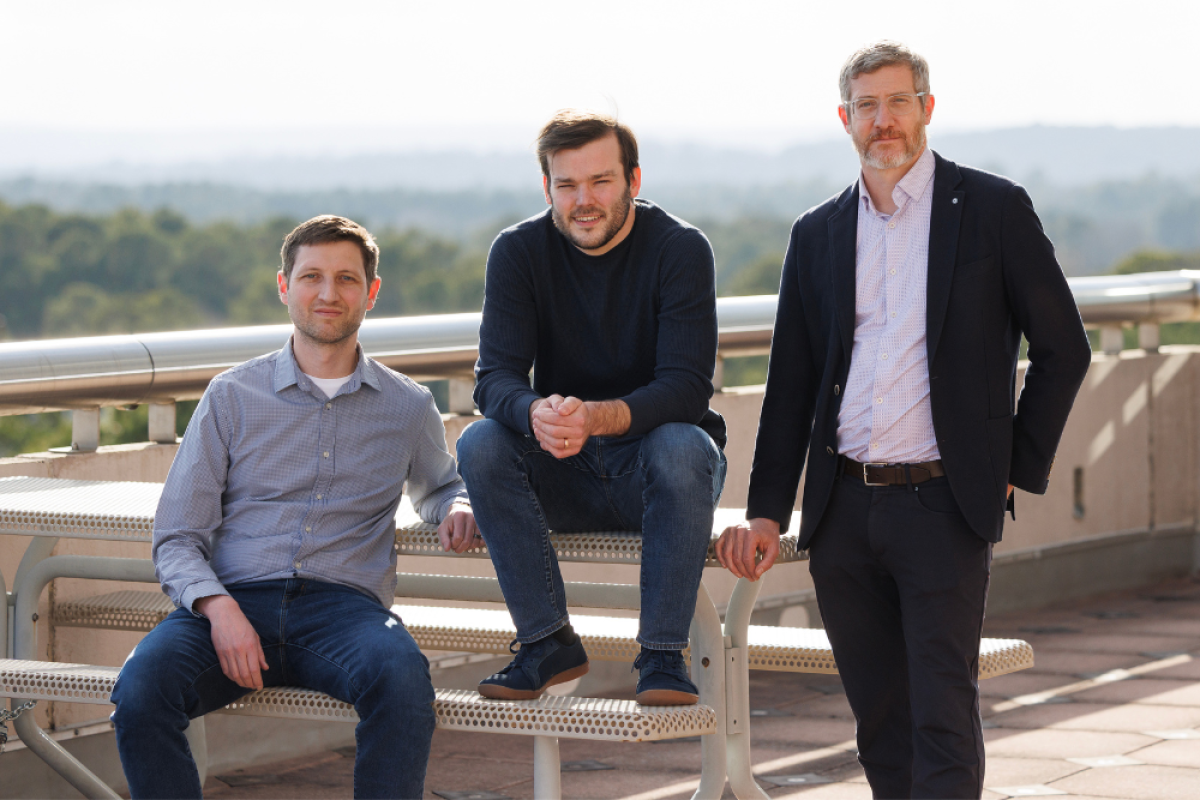
With $15 Million Grant, Duke Team Expands AI Tool to Predict Teen Mental Illness
The project aims to bring early mental health screening to clinics where access to care is limited.
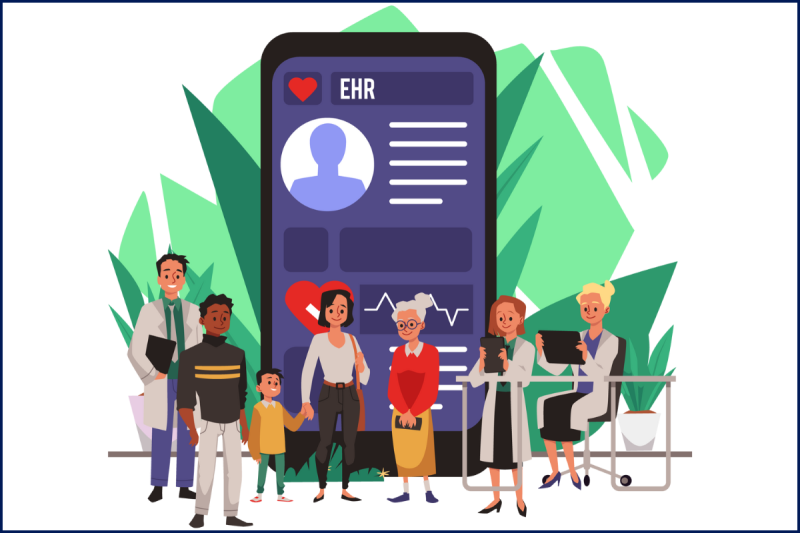
Can Electronic Health Records Reveal Early Signs of Autism?
Duke researchers are collaborating on a new project that uses machine learning to recognize patterns in electronic health record data associated with children who are later diagnosed with autism.

The AI That’s Finally Making Sense of Chronic Fatigue Syndrome
Artificial intelligence has helped map the hidden biology behind the pain, dizziness, and exhaustion of chronic fatigue syndrome, and identified new biomarkers to improve diagnosis.

Newly Discovered ‘Sixth Sense’ Links Gut Microbes to the Brain in Real Time
A newly discovered “neurobiotic sense” reveals how gut cells listen to microbial chatter and signal the brain to influence hunger, cravings, and behavior.