
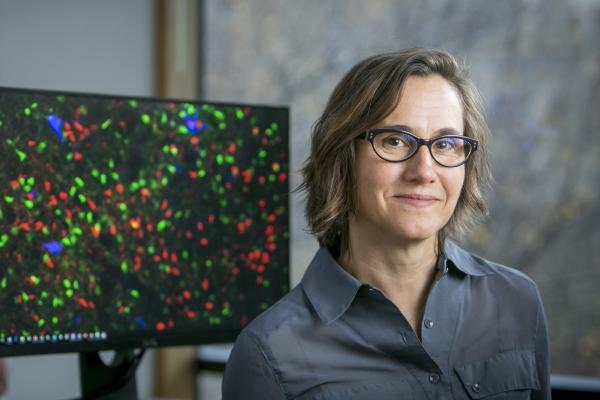
What Comes Next: Neuroscience
Nicole Calakos, MD, PhD, is the Lincoln Financial Group Distinguished Professor of Neurobiology and specializes in synaptic physiology research and Parkinson’s disease and other movement disorders. She highlights the transformative impact of big data, AI, and cell modeling on neuroscience research, emphasizing the potential for advances in regenerative therapies and neural prostheses.

What Comes Next: Vaccines
Dr. Kevin Saunders, a leader at the Duke Human Vaccine Institute, highlights the advancements in vaccine research, emphasizing the use of computational design, AI, and mRNA technology. Duke is at the forefront with significant progress in HIV, coronavirus, and cancer vaccines, and is developing pan-coronavirus and pan-influenza vaccines.
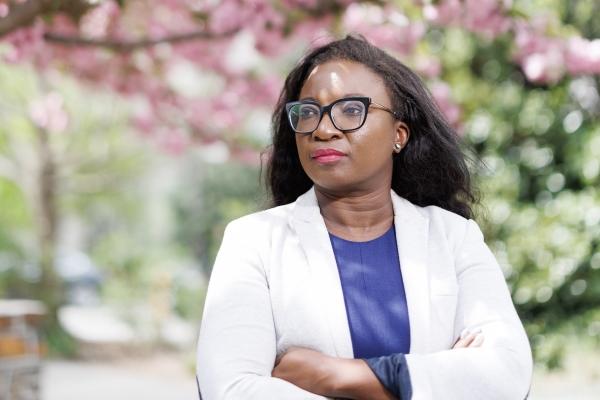
What Comes Next: Cancer Epidemiology and Population Health
Tomi Akinyemiju, PhD, is a professor in the Department of Population Health Sciences. She emphasizes the importance of prevention and health equity in epidemiology and advocates for personalized approaches, leveraging big data and AI for risk prediction, and ensuring equitable access to medical and policy solutions to address health disparities.
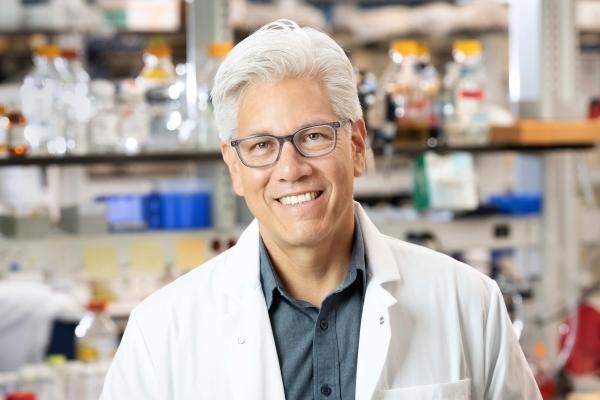
What Comes Next: Integrative Immunobiology
Dr. Raphael Valdivia, the Nanaline H. Duke Distinguished Professor of Molecular Genetics and Microbiology, emphasizes the need to understand the human immune system to address diseases like cancer and neurodegenerative disorders. His research focuses on leveraging AI and genetic engineering to guide immunity, highlighting Duke's strengths in transplant immunology and infectious disease research.
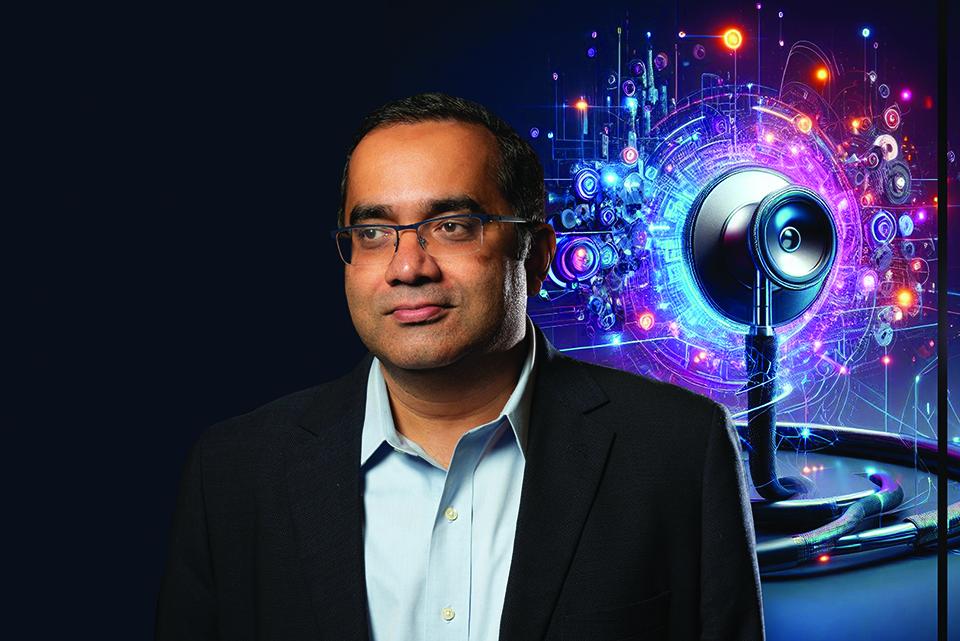
New Technique Helps AI Predict Antibody Structures More Accurately
A team led by Rohit Singh, PhD, has developed a computational technique that allows large language models to predict antibody structures more accurately.
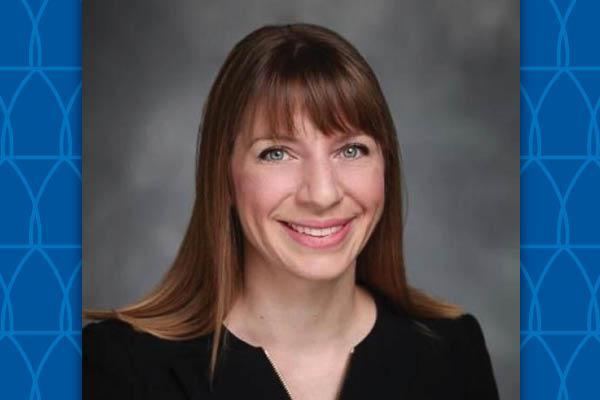
Economou-Zavlanos Named Director of New Duke Health AI Evaluation & Governance Program
Nicoleta J. Economou-Zavlanos, PhD, will be charged with driving the trustworthy, responsible, and equitable integration of AI in health care.
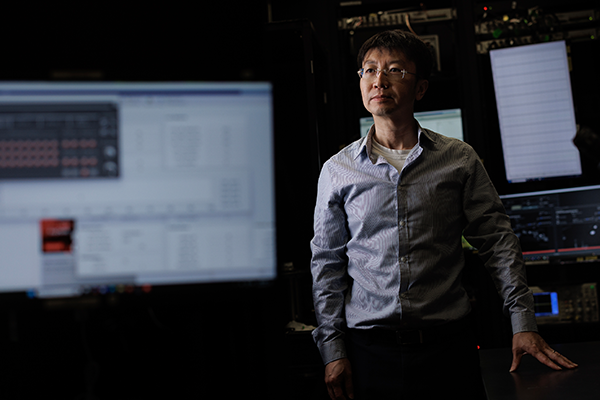
One Way Your Brain Beats AI: Learning Motor Tasks
Research from Duke Science and Technology scholar Nuo Li, PhD, used a novel technique for tracking learning to reveal that the brain’s storage of certain memories is more complex and stable than previously thought.
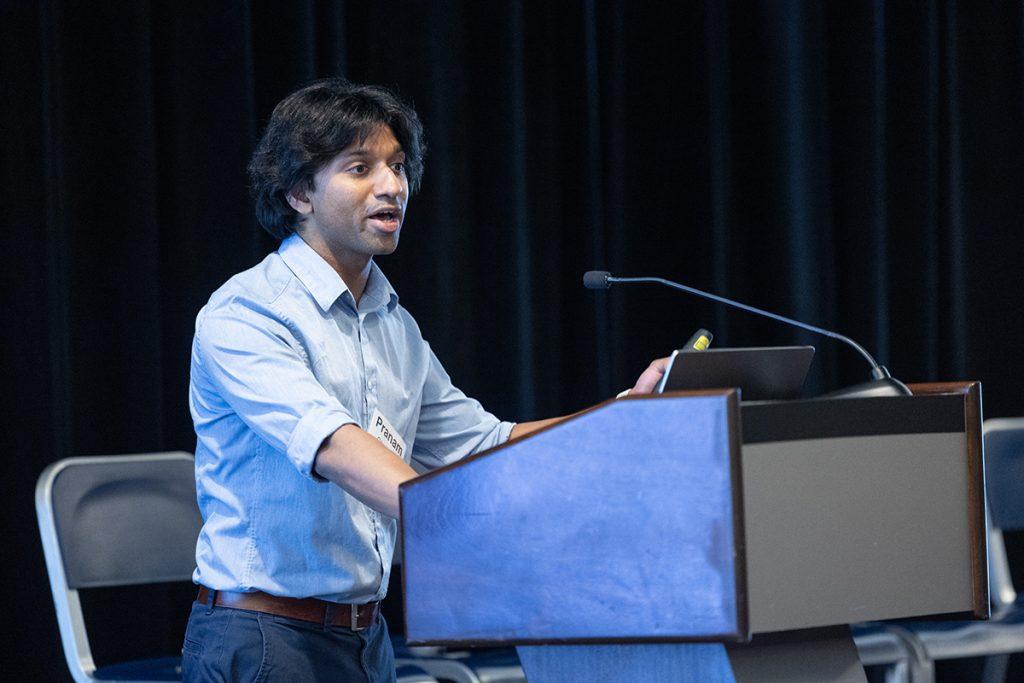
Duke Experts Discuss the Potential of AI to Help Prevent, Detect, and Treat Disease
Faculty from the School of Medicine and the Pratt School of Engineering discussed how artificial intelligence and machine learning are changing biomedical research and health care at the Duke Summit on AI for Health Innovation.
Spark Initiative for AI in Medical Imaging Officially Launches at Duke
The Duke Spark Initiative for AI in Medical Imaging formally launches this week. Spark’s mission at Duke encompasses research into development and use of artificial intelligence in medical imaging, with an emphasis on collaborative work between physicians across different specialties and machine learning experts.

Health and Human Services Officials Visit Duke, Discuss Responsible Health Care AI
Duke Health hosted leaders from the U.S. Department of Health and Human Services, Microsoft, and UNC-Chapel Hill, to talk about next steps in making trustworthy health care artificial intelligence (AI) a reality.