
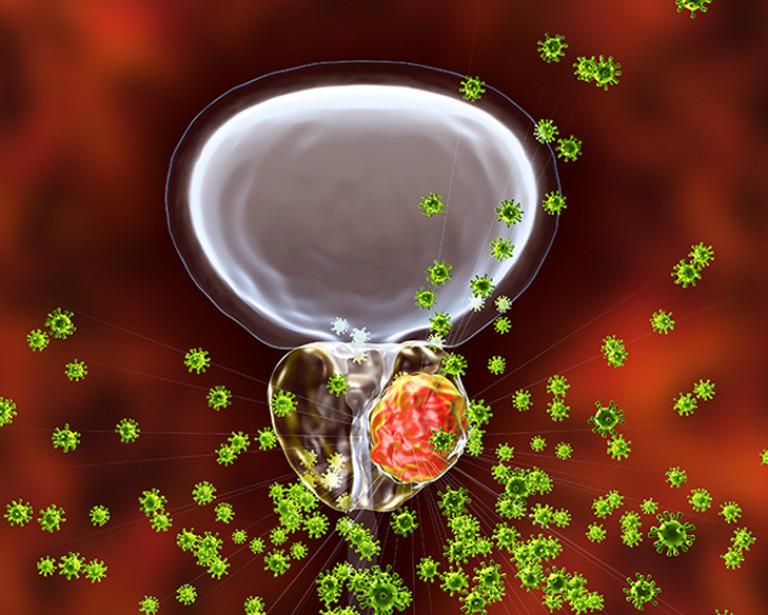
AI Tool May Help Some Prostate Cancer Patients Avoid Hormone Therapy
Researchers at Duke Cancer Institute, working with a health technology company, have developed an AI-powered biomarker that could help determine which patients need extended hormone therapy and which could safely avoid it.
New AI Model Makes Drug Discovery Faster, Smarter, and More Transparent
A new algorithm could help researchers better predict how molecules bind to proteins —an essential step in designing more effective drugs to treat a wide range of diseases.

Duke Sets National Standards for Safe, Scalable AI in Health Care
School of Medicine researchers have developed two pioneering studies that offer a new approach to ensuring that AI systems used in clinical settings meet the highest standards of quality and accountability.
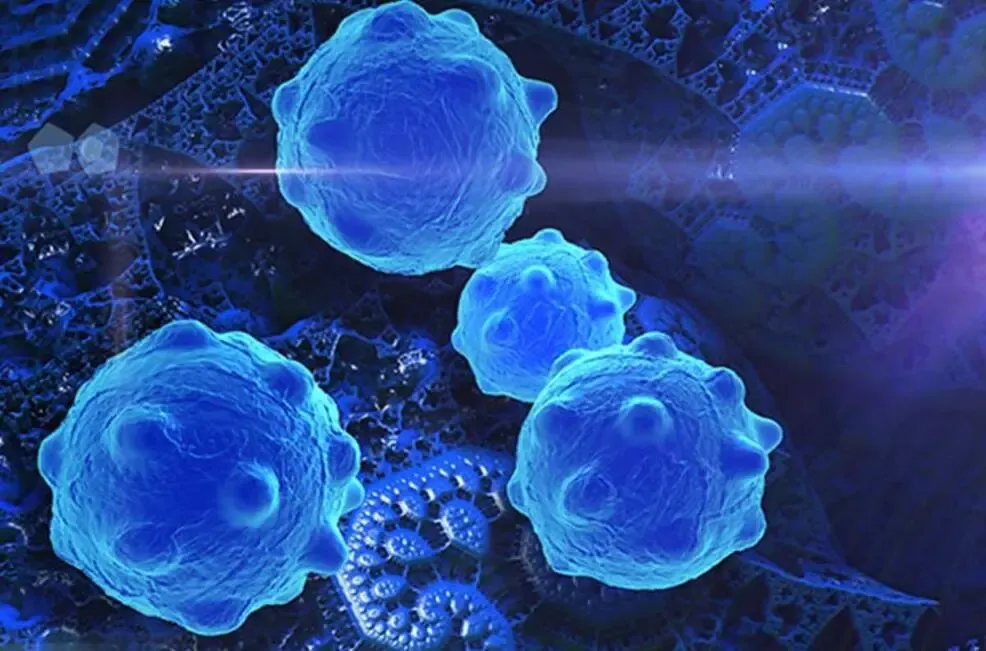
New AI Methods Advance Diagnosis After Brain Metastasis Treatment
A novel deep learning-based approach can help distinguish between local tumor recurrence and side effects of radiation therapy.
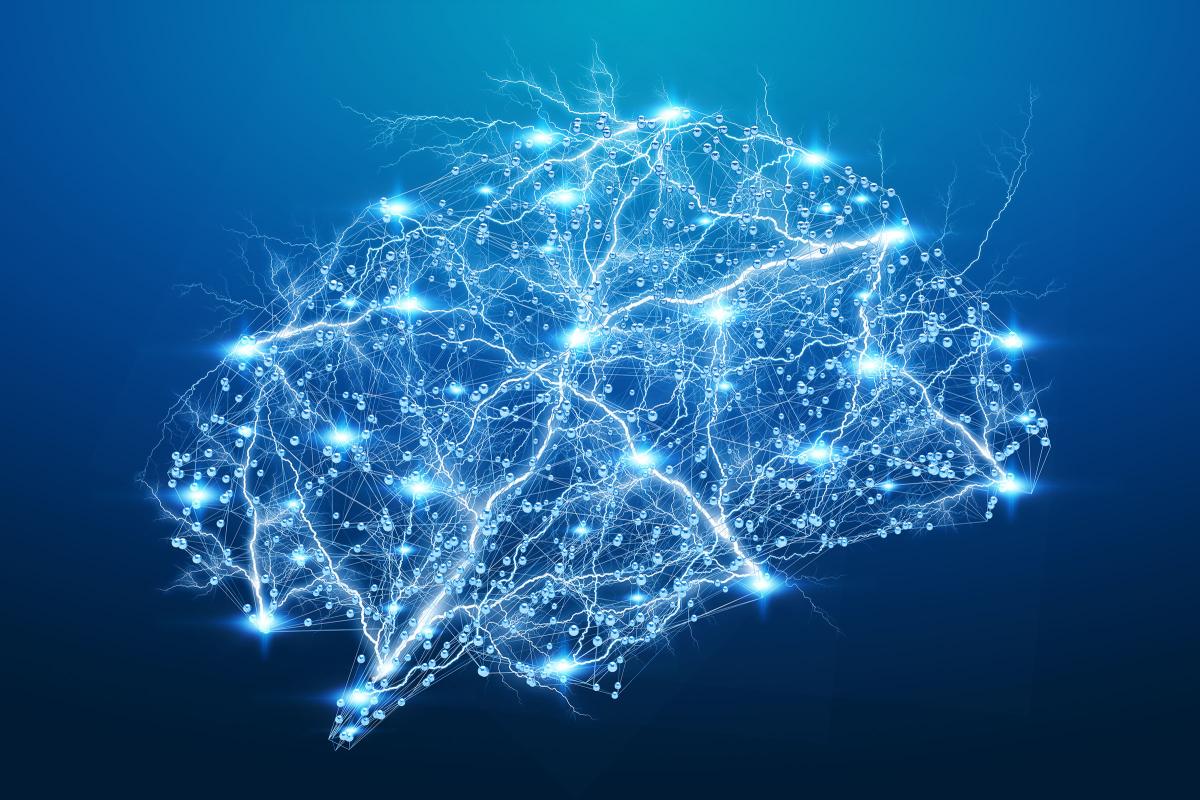
Neuroscientists Develop An AI Tool to Reveal the Brain's Secrets
An epic collaboration between neuroscientists at Duke and six other institutions has yielded an AI tool that paves the way for new approaches to treating neurological disorders.

AI Model Predicts Risks and Potential Causes of Adolescent Mental Illness
An artificial intelligence model developed by Duke Health researchers accurately predicted when adolescents were at high risk for future serious mental health issues before symptoms became severe.
What Comes Next: Neuroscience
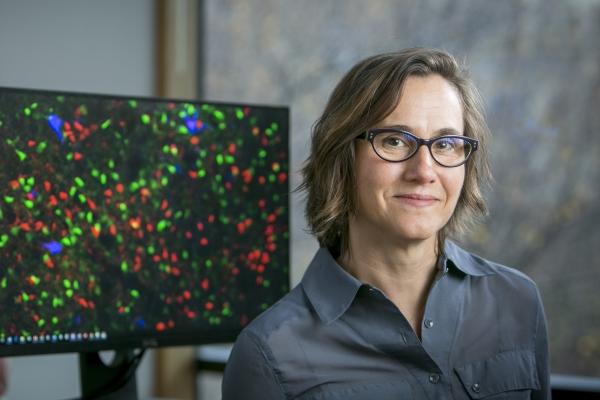
Nicole Calakos, MD, PhD, is the Lincoln Financial Group Distinguished Professor of Neurobiology and specializes in synaptic physiology research and Parkinson’s disease and other movement disorders. She highlights the transformative impact of big data, AI, and cell modeling on neuroscience research, emphasizing the potential for advances in regenerative therapies and neural prostheses.

What Comes Next: Vaccines
Dr. Kevin Saunders, a leader at the Duke Human Vaccine Institute, highlights the advancements in vaccine research, emphasizing the use of computational design, AI, and mRNA technology. Duke is at the forefront with significant progress in HIV, coronavirus, and cancer vaccines, and is developing pan-coronavirus and pan-influenza vaccines.

What Comes Next: Cancer Epidemiology and Population Health
Tomi Akinyemiju, PhD, is a professor in the Department of Population Health Sciences. She emphasizes the importance of prevention and health equity in epidemiology and advocates for personalized approaches, leveraging big data and AI for risk prediction, and ensuring equitable access to medical and policy solutions to address health disparities.

What Comes Next: Integrative Immunobiology
Dr. Raphael Valdivia, the Nanaline H. Duke Distinguished Professor of Molecular Genetics and Microbiology, emphasizes the need to understand the human immune system to address diseases like cancer and neurodegenerative disorders. His research focuses on leveraging AI and genetic engineering to guide immunity, highlighting Duke's strengths in transplant immunology and infectious disease research.