
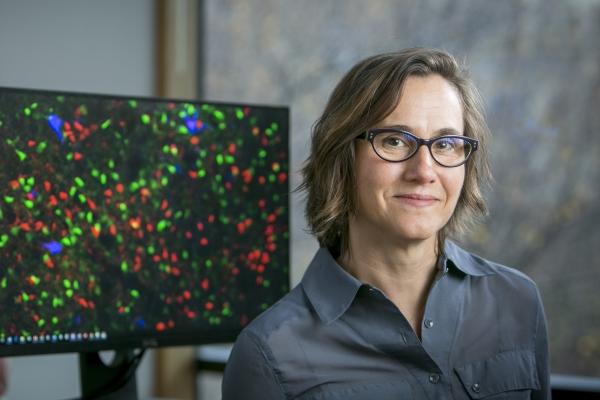
What Comes Next: Neuroscience
Nicole Calakos, MD, PhD, is the Lincoln Financial Group Distinguished Professor of Neurobiology and specializes in synaptic physiology research and Parkinson’s disease and other movement disorders. She highlights the transformative impact of big data, AI, and cell modeling on neuroscience research, emphasizing the potential for advances in regenerative therapies and neural prostheses.
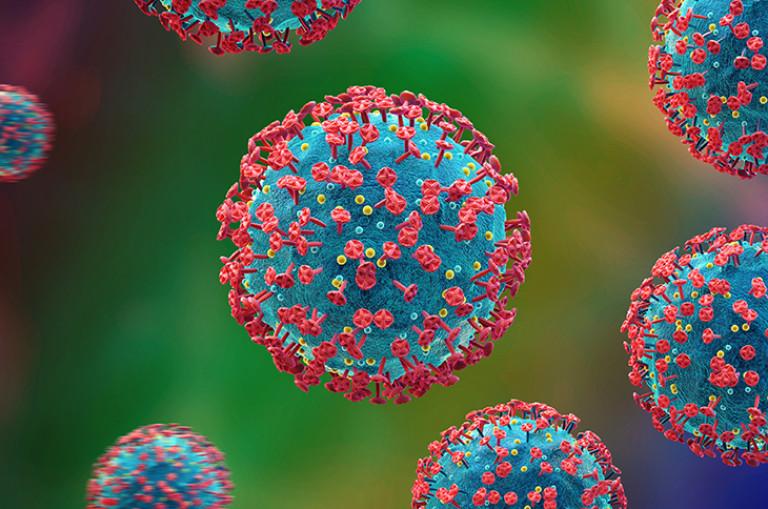
HIV Vaccine Candidate Activates Crucial Immune Function
Researchers at the Duke Human Vaccine Institute successfully created an HIV vaccine candidate that guides key immune cells along an evolutionary pathway to become broadly neutralizing antibodies. Further tests in primates and humans are planned.

Bohórquez, Brinkley-Rubinstein Receive Presidential Early Career Awards
Diego V. Bohórquez, PhD, and Lauren Brinkley-Rubinstein, PhD, were among the nearly 400 recipients of Presidential Early Career Awards for Scientists and Engineers honors announced by The White House this week.

What Can We Learn from Watching a Fish's Ear Take Shape?
Akankshi Munjal, PhD, assistant professor of cell biology, is driven by her fascination with watching development happen.

New Technique Helps AI Predict Antibody Structures More Accurately
A team led by Rohit Singh, PhD, has developed a computational technique that allows large language models to predict antibody structures more accurately.

Zhang Awarded 2024 Sontag Foundation Distinguished Scientist Award
Zhao Zhang, PhD , associate professor of pharmacology and cancer biology, has been named a recipient of the 2024 Distinguished Scientist Award from The Sontag Foundation.

How Nerve Stimulation Could Ease Inflammatory Bowel Disease
Mouse study reveals vagus nerve stimulation eases colitis symptoms by regulating inflammation-triggering SUMOylation, a cellular process that shapes immune response.

One Way Your Brain Beats AI: Learning Motor Tasks
Research from Duke Science and Technology scholar Nuo Li, PhD, used a novel technique for tracking learning to reveal that the brain’s storage of certain memories is more complex and stable than previously thought.
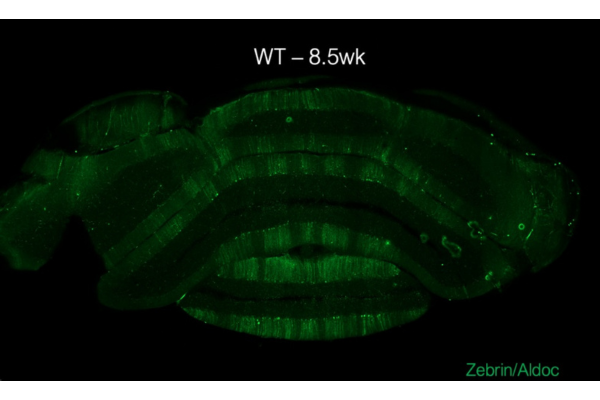
Striped Gene Expression Pattern Provides Clues for Neurodegenerative Movement Disorders
Spinocerebellar ataxias are a group of neurodegenerative disorders that impact muscle coordination and control. Due to the complexity of the brain, these disorders have been poorly understood. Duke researchers are now using single-cell RNA sequencing technologies to gain a deeper understanding of how these diseases develop, which may lead to better treatment options for patients.

The Science of Smell: Scientists Explore the Invisible World of Odors
Engineered receptors show how humans tell countless odors apart.