

Study suggests how to predict which cancer patients will benefit from ATR inhibitors
A study from cancer biologists at Duke University School of Medicine suggests a new way to predict which patients are most likely to benefit from a promising class of experimental cancer drugs called ATR inhibitors.
In clinical trials, these therapies have shown efficacy in a subset of tumors with mutations in the DNA-repair protein ATM kinase. But why ATR inhibitors work in some but not all ATM-mutant tumors has been unclear.

Gladfelter elected to National Academy of Sciences
Amy S. Gladfelter, PhD, Duke Health Distinguished Professor of Cell Biology and Biomedical Engineering in the Department of Cell Biology, has been elected to the National Academy of Sciences in recognition of her distinguished and continuing achievements in original research.
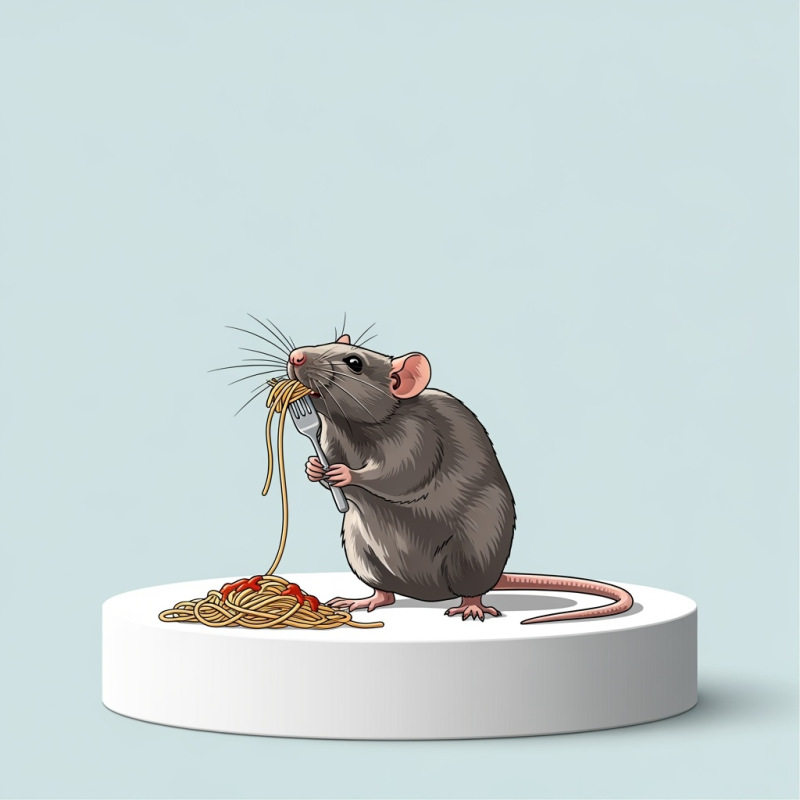
What eating reveals about how the brain works
Duke University School of Medicine researchers identify previously unknown area of the brain that acts like a conductor, coordinating the hands and mouth into one smooth feeding motion.

Hidden enzyme may explain muscle loss tied to cancer treatment
Team from Duke University School of Medicine and Duke NUS identify an enzyme that helps explain why muscles weaken in some cancer patients.

Catching a fungal enzyme open for business
Serious fungal infections are becoming more common and harder to treat as fungi develop resistance to drugs. A new Duke University study reveals, for the first time, how the antifungal drug caspofungin really works: instead of simply sticking to a fungal enzyme, it jams the process while the fungus is actively building its cell wall. Understanding this hidden mechanism helps explain why the drug sometimes fails and could lead to better antifungal treatments in the future.

How to build a brain
Researchers at Duke University School of Medicine have uncovered a previously unknown role for astrocytes in shaping the developing brain. By sending different signals to immune cells, these star-shaped cells help decide which neural connections stay and which ones are pruned away.

Duke researchers discover cellular ‘release valve’ that could strengthen bones and cartilage
Scientists have identified a long‑sought enzyme that controls a fundamental chemical process critical for healthy bones and cartilage, according to a study accepted to Nature Chemical Biology. The study opens the door to drug development, suggesting that inhibiting MESH1 could help restore sulfation in patients with related diseases.

High-resolution MR microscopy reveals how Alzheimer's-linked mutations impact the brain
Researchers from Duke University and the University of Tennessee Health Science Center used ultra-high-resolution magnetic resonance (MR) microscopy to map volume changes throughout the brain in a carefully crafted collection of genetically engineered mouse models. The results provide new insight into the evolution of Alzheimer's disease and make it easier for scientists to test potential Alzheimer’s treatments in preclinical trials.
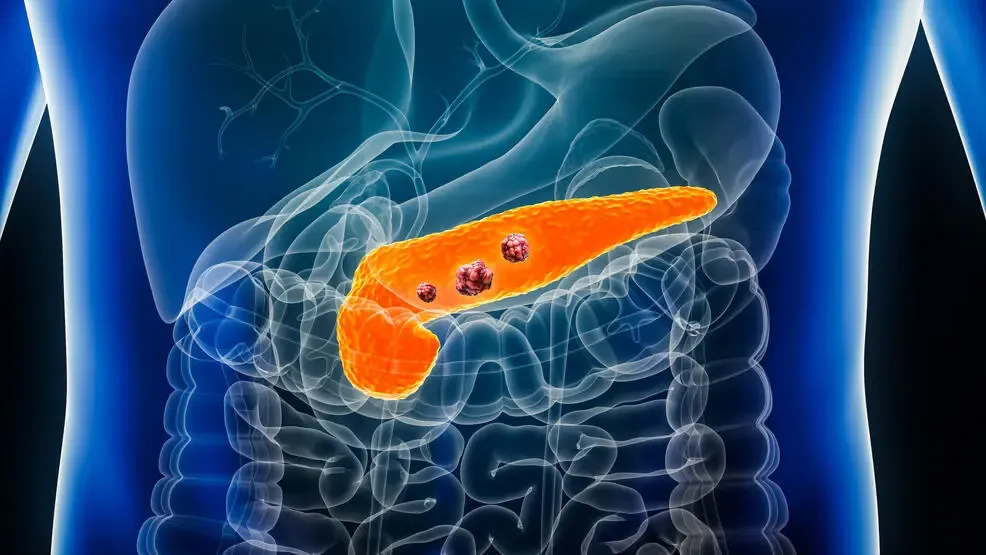
New research points to promising therapeutic strategies for solid tumors
A newly published study from Duke Cancer Institute researchers sheds light on a long‑standing mystery in cancer biology and reveals a potential new path toward more targeted treatments for pancreatic and other solid tumors.
Locking viruses out: a new approach to infection prevention
Viruses infect people every day. From the common cold to influenza, COVID, and more, viruses are part of life. Most of the time, some extra rest, facial tissues, and over-the-counter drugs get us back on our feet, but sometimes, as in the COVID-19 pandemic, viruses not only disrupt an individual’s life, but they can also cause high mortality rates and global shutdowns.