

From heat waves to air quality, Duke funds new research on climate health risks
With philanthropic support, Duke University aims to turn innovative ideas into real-world solutions for the growing health impacts of climate change.


Office of Biomedical Graduate Education expands graduate research honors
Duke University School of Medicine celebrated excellence in graduate student education and discovery science at its 2026 Office of Biomedical Graduate Education (OBGE) Graduate Student Awards

Transformative grant empowers Duke to launch statewide maternal and child health initiative
Read the full grant announcement on the MADE FOR THIS web
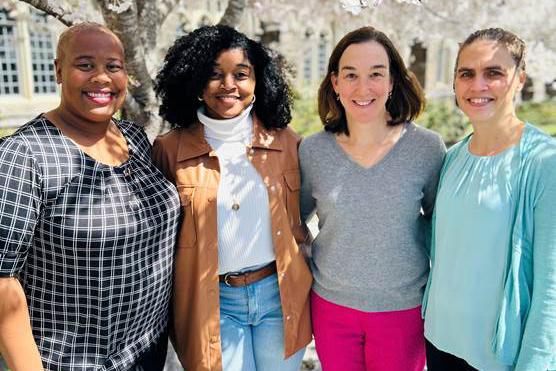
From burnout to belonging: A restorative approach in pediatrics
The pandemic changed the way we work and relate to one another, bringing burnout and stress for many — effects that linger years later. In 2023, a group in the Duke Department of Pediatrics came together to do something about that. They were determined to find better ways to help people feel connected, build relationships, and address conflict, laying the foundation for what has become the Restorative Practice Ambassador Program.

Gladfelter elected to National Academy of Sciences
Amy S. Gladfelter, PhD, Duke Health Distinguished Professor of Cell Biology and Biomedical Engineering in the Department of Cell Biology, has been elected to the National Academy of Sciences in recognition of her distinguished and continuing achievements in original research.
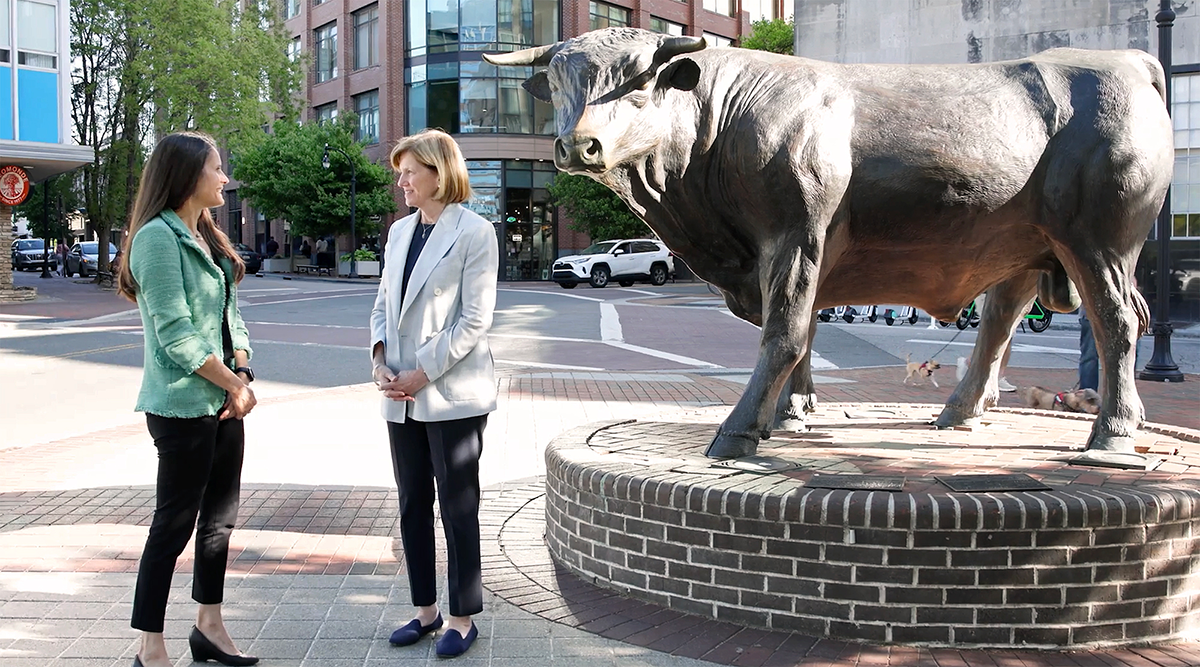
Advancing Clinical Research Through Community Partnership: A Conversation with Dr. Susanna Naggie
Dr. Naggie highlights why strong community relationships are essential to clinical trials and translational science. She shares the value of building trust and increasing access to ensure research reflects the needs of the people it aims to serve.

Study suggests how to predict which cancer patients will benefit from ATR inhibitors
A study from cancer biologists at Duke University School of Medicine suggests a new way to predict which patients are most likely to benefit from a promising class of experimental cancer
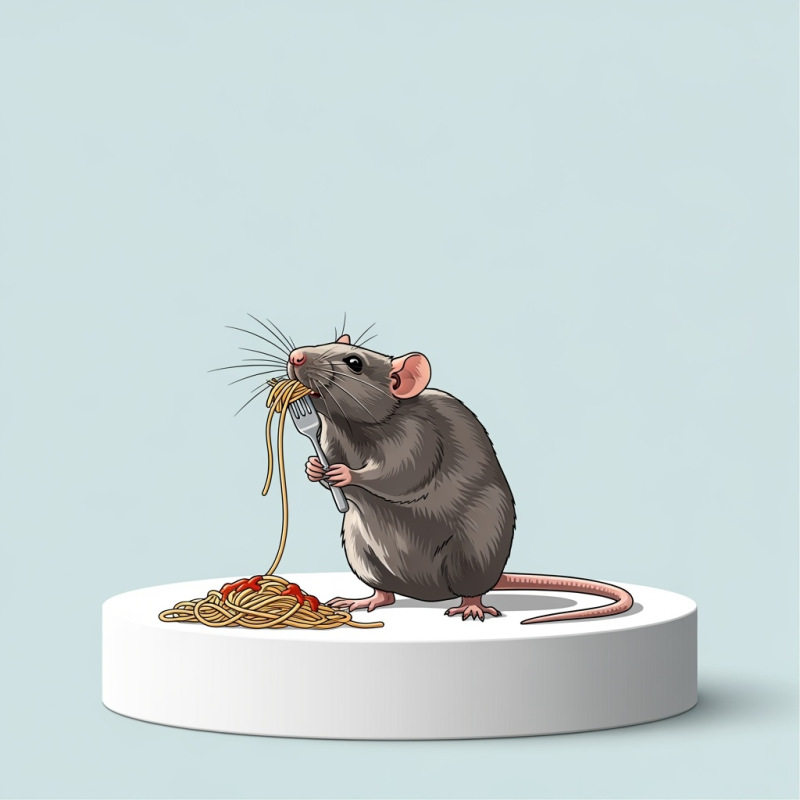
What eating reveals about how the brain works
Duke University School of Medicine researchers identify previously unknown area of the brain that acts like a conductor, coordinating the hands and mouth into one smooth feeding motion.
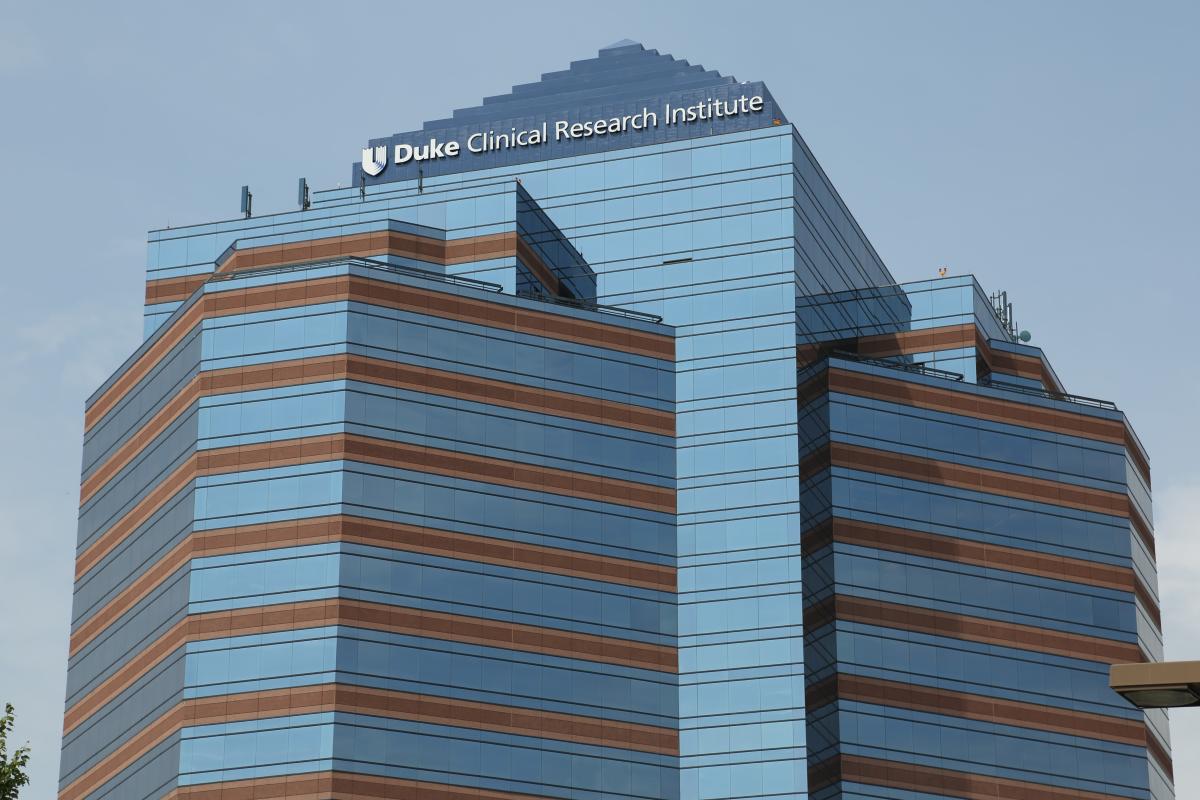
ARLG takes aim at antibiotic resistance on global stage
The Antibacterial Resistance Leadership Group (ARLG), based at the Duke Clinical Research In