

Join us next week! Leveraging Conflict for Constructive Change
Monday, February 26, 4:00-5:30pm, Duke North 2002.

Duke DPT Shares Expertise at the 2024 APTA CSM Event
The Duke Physical Therapy Alumni & Friends Reception welcomed 194 guests, where Duke Physical Therapy Alumni Association awards were presented to:

Preserving OT’s Black History
Last week, I featured a few of occupational therapy's Black "elders," whose leadership, education, and scholarship were like stories that illumined paths that, if taken, would make occupational therapy stronger. Paths, for example, toward desegregation and attending to diversity and health disparities; paths toward addressing community health and wellness through occupation, generating robust evidence and theory supporting the effects of occupation on health.
Duke Occupational Therapy Faculty Take the Lead in Mental Health Justice
Duke Occupational Therapy Doctorate (OTD) division faculty members MaryBeth Gallagher, PhD, and Antoine Bailliard, PhD, have launched an innovative community-based mental health non-profit. The Center for Community Connection (C4CC), led by executive director Darren Peters, an occupational therapist, will promote well-being, mental health equity, and occupational justice by enhancing participation in meaningful activities and cultivating human social connection.

A Conversation with Stead Society President Kristina Miller
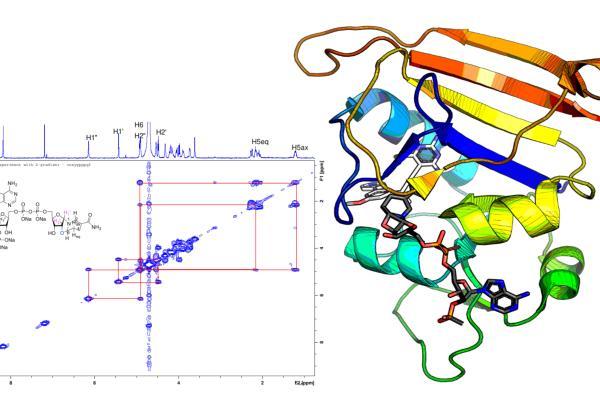
This month, we are stepping away from our usual student blog posts to bring you a two-part series: First-year students Polly Hurlburt and Kris Miller sat down to discuss Kris's groundbreaking role as the first Black president of the Duke PA Program's student society, the Stead Society.
Part 1: The Path to Leadership

Participate in the Upcoming AOTA Student Assembly Elections
Have you considered volunteering as a student representative within the American Occupational Therapy Association (AOTA)? Let us know! We would love to feature your effort(s) and encourage OTD peers to have an active ‘voice’ within OT professional organizations.
Duke OTD Celebrates Black History Month
For occupational therapy, Black History Month is an excellent time to celebrate the profession’s Black elders and their transformative wisdom. I use the term elder instead of leader because it implies a particular place of honor. Elders tell stories from their lived histories that illuminate areas of professional growth. Elders are mentors who tell us what we need to know when we need to understand it; their stories call the profession deeper into its potential.

Welcome New STEPs Coordinator, Grant Bitzer, PT, DPT, EdD
Let's welcome and meet Grant Bitzer, PT, DPT, EdD candidate, and STEPs Coordinator in the DPT program beginning February 1.
Hip-Hop As Education and Inspiration in Brazil and the United States
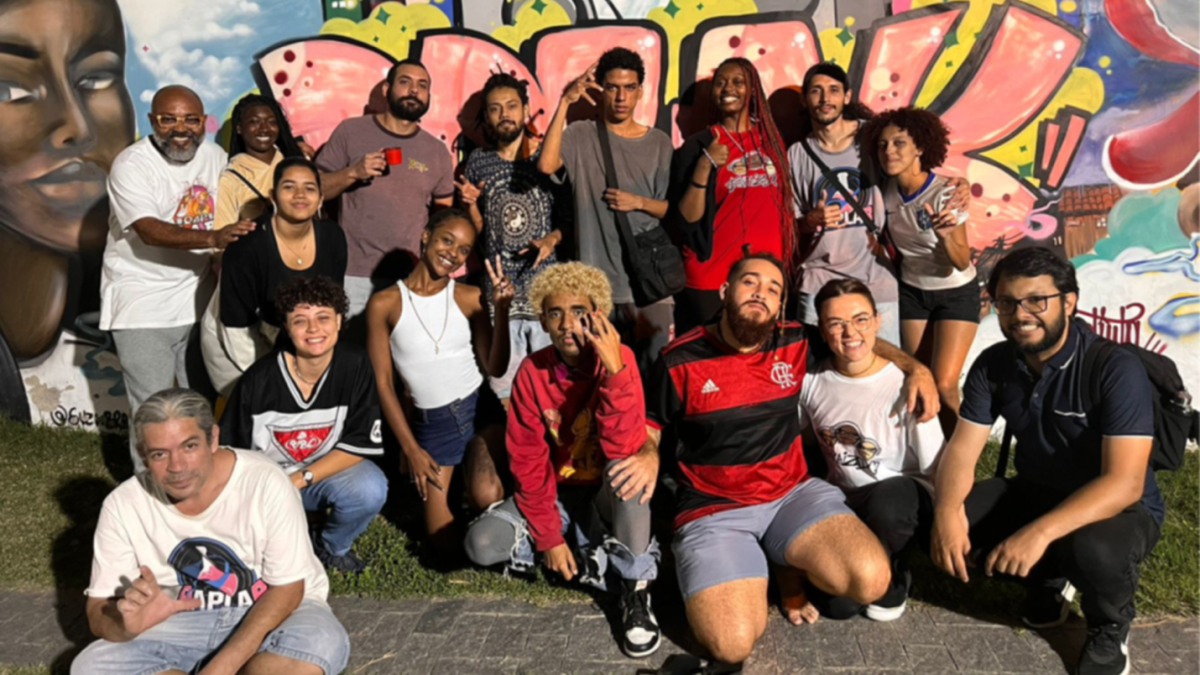
A multiyear Bass Connections team linking Duke and North Carolina Central University has been exploring the global links among education, hip-hop, and community building.