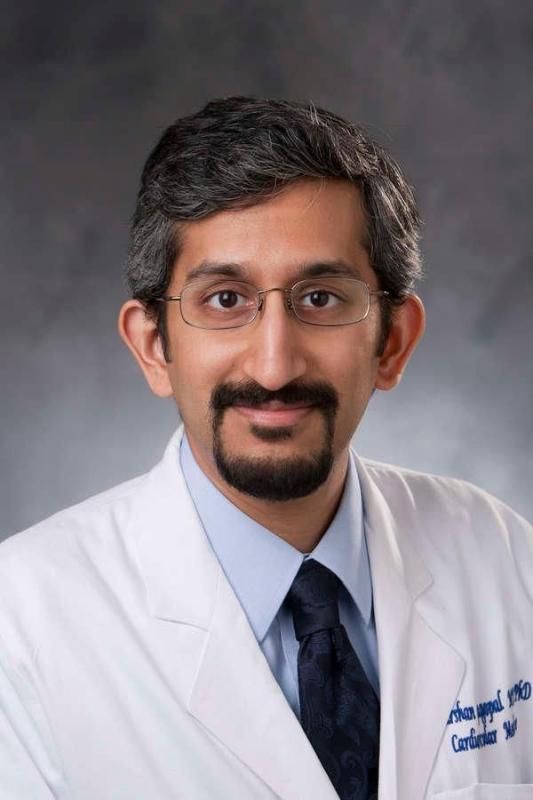
Rajagopal named director of the Duke Physician-Scientist Strong Start Award Program
Sudarshan Rajagopal, MD, PhD, has been named the new director of the Duke Physician-Scientist Strong Start Award Program, a flagship initiative funded by the Nanaline H. Duke Foundation that supports the development of early-career physician-scientists as they transition to independent research careers.

The door to cold
When you feel toothpaste's minty tingle, it's caused by the opening of a molecular "door" found in sensory nerve cells in your mouth.

Computational modeling and space test show promise for safer deep-space missions
As NASA prepares for longer missions beyond Earth orbit, researchers have used data from NASA's Artemis I mission and sophisticated virtual human models developed at Duke to demonstrate a promising strategy for protecting astronauts from dangerous radiation during deep-space travel.

Five tips to boost well-being
Bryan Sexton, PhD, chief wellness officer for Duke Health Integrated Practice, shares simple, research-backed practices that can improve well-being, reduce burnout, and fit into even the busiest schedules.
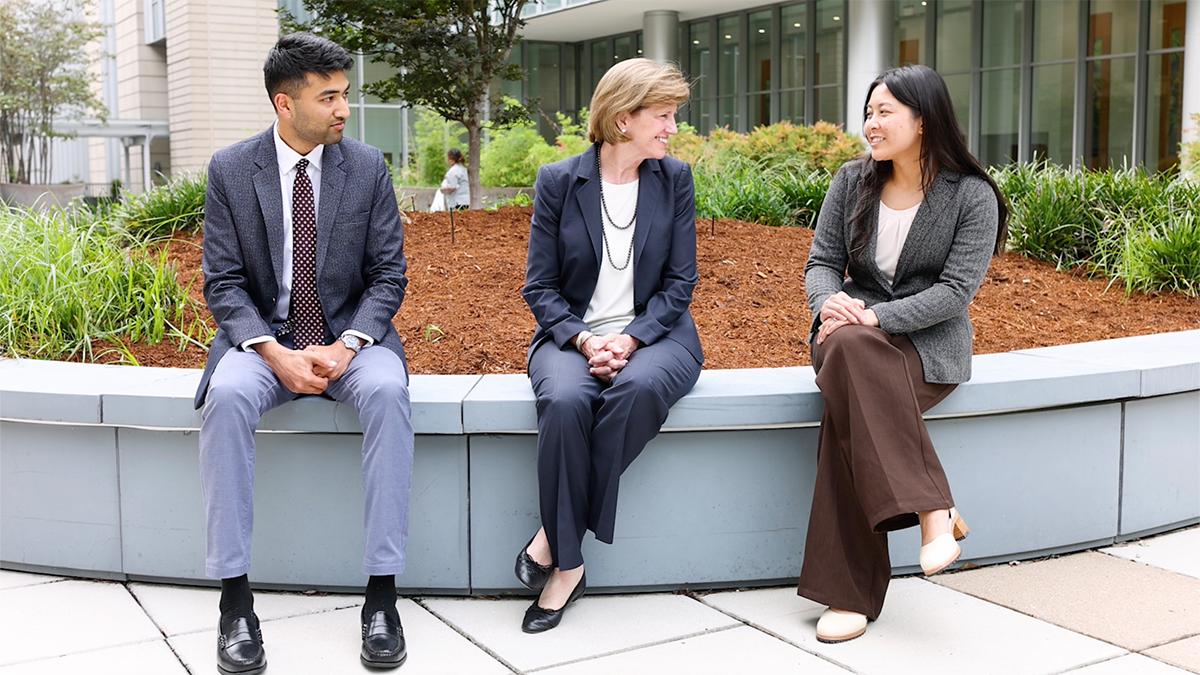
The Future of Health Starts Here: A Conversation with Two Duke Medical Students
What inspires the next generation of physicians and physician-scientists? In this conversation, Dean Mary Klotman sits down with Ashley Truong, an MD-PhD student, and Divyam Goel, an MD student, to discuss their journeys to Duke, the experiences shaping their education, and their vision for the future of health care.
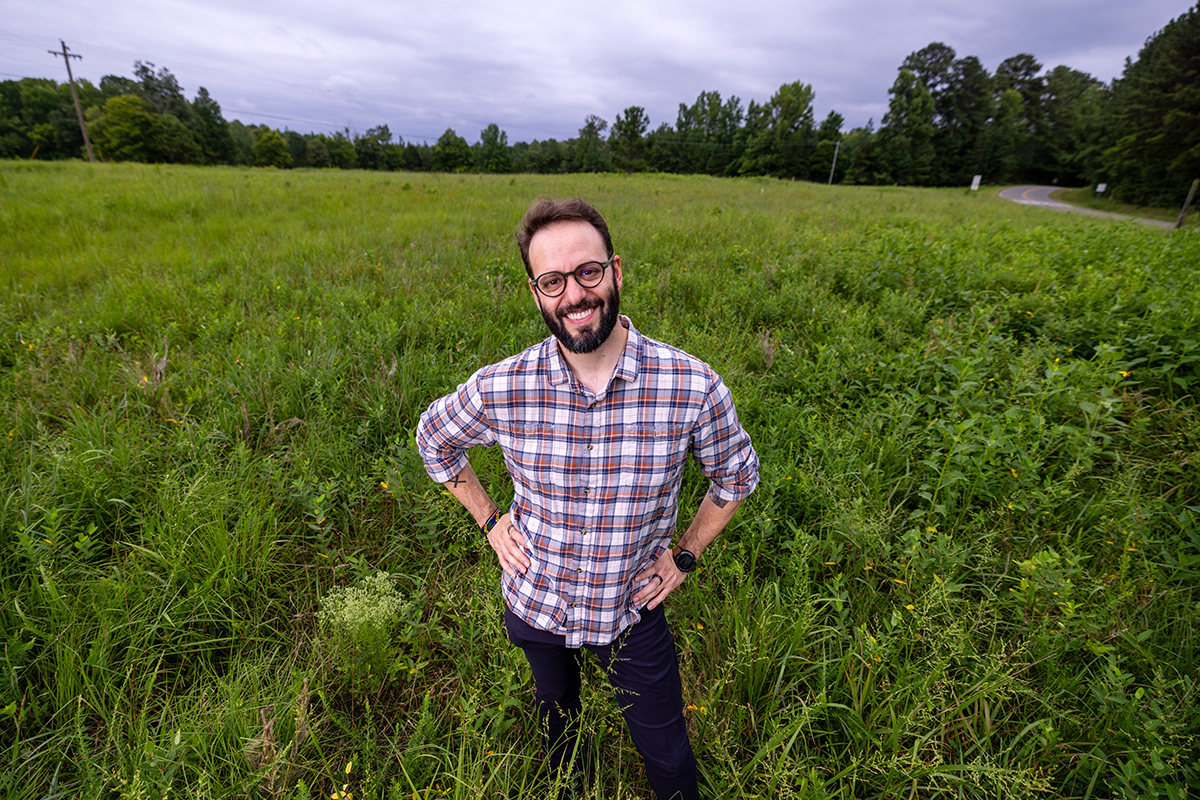
Mapping North Carolina’s climate health risks
From the Blue Ridge Mountains to the Atlantic coast, North Carolina's geography does more than shape its landscape. It may also influence the health risks people face.

A blind spot in e-cigarette research
E-cigarettes help many smokers quit. Duke researchers say there’s a catch.

A new path for brain-to-speech tech
Stroke, ALS, and other neurodegenerative and acute brain disorders can rob people of the ability to speak.
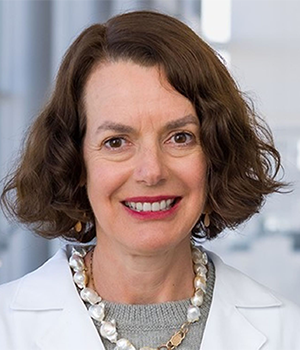
Heidi Jacobe to join Duke as chair of the Department of Dermatology
Heidi T. Jacobe, MD, MSCS, will join Duke Health as chair of the Department of Dermatology, effective December 1, 2026.