

High Rates of Depression and PTSD Found in Flint 5 Years After Water Crisis
Data from the largest mental health survey of the Flint, Michigan community indicate that one in five adults, or roughly 13,600 people, were estimated to have clinical depression, and one in four, or 15,000 people, were estimated to have PTSD five years after the water crisis began.

Duke Recognized as Center of Excellence for Dystonia
This September, the Tyler’s Hope for a Dystonia Cure Foundation will officially recognize Duke Health as the country’s second Center of Excellence for Dystonia.

Halabi Receives Janet L. Norwood Award
Susan Halabi, PhD, professor of biostatistics and bioinformatics (B&B), will receive the 21st annual Janet L.

No More Guessing: Duke Pediatric Experts Build Unique Foundation to Find the Right Dose for Children
In the Duke Clinical Research Institute, a group of pediatric physician-scientists has built a unique foundation for finding public health answers. Fueled by a deeply ingrained commitment to teamwork and mentorship and a shared ability for recognizing opportunities to advance clinical research, they are having an enormous impact on medical treatments for children — and adults — and influencing public health and student wellness across the country.
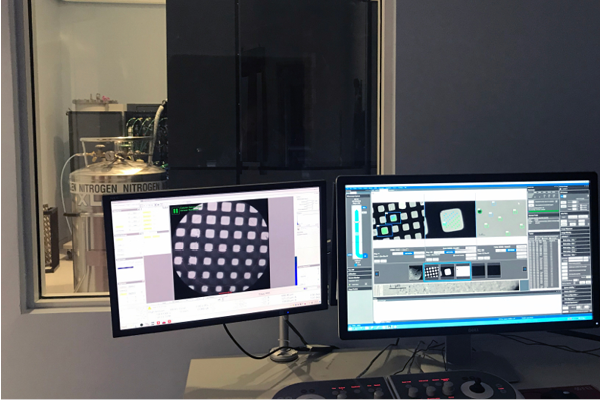
Four Things to Know About Cryo-EM at Duke
What's in a shape? As it turns out, a lot. Understanding the structures of proteins and other molecules in extremely fine detail can be key to finding out how they work.
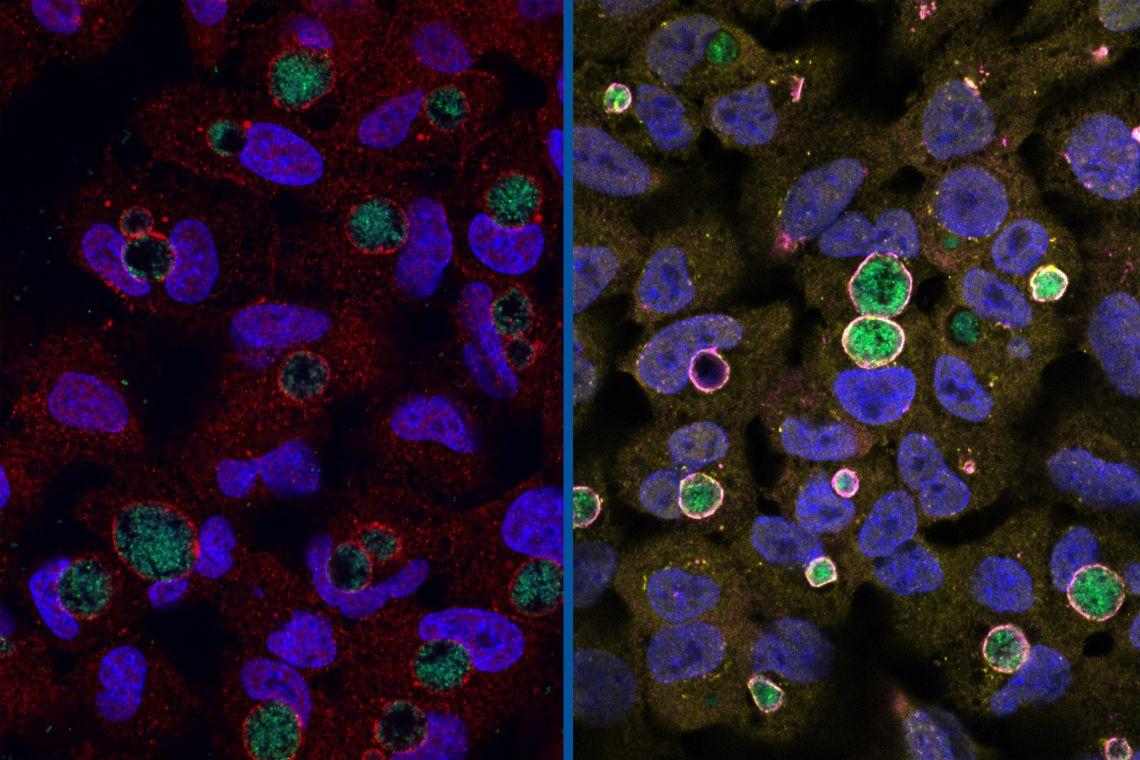
Chlamydia's Stealthy Cloaking Device Identified
Chlamydia, the leading cause of sexually transmitted bacterial infections, evades detection and elimination inside human cells by use of a cloaking device. But Duke University researchers have grasped the hem of that invisibility cloak and now hope they can pull it apart.

Beaman Wins Best Platform Presentation at David W. Smith Workshop
Makenzie Beaman, a pediatric scientist in training in the Medical Science Training Program (MSTP), was selected for the best fellow platform presentation award at the
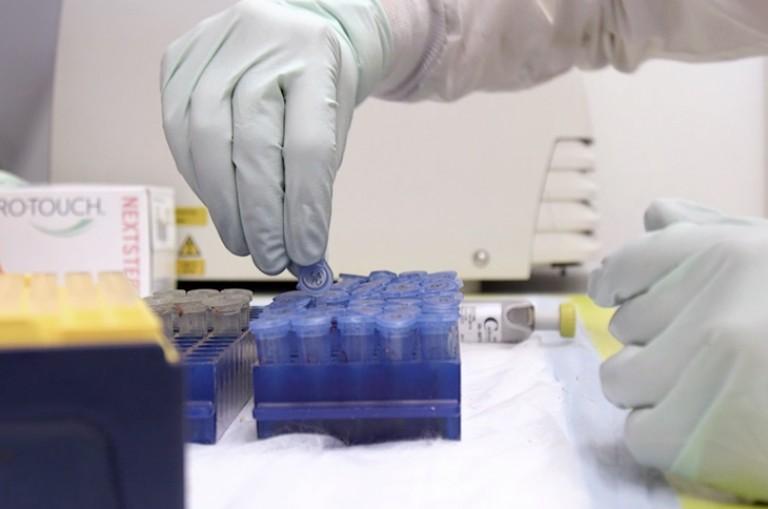
Potential HIV Vaccine Component Proves Effective in Primate Study
A potential HIV vaccine component has led to strong protection in primates by eliciting an antibody that binds to part of the virus’s outer envelope, reports a team led by researchers at the Duke Human Vaccine Institute (DHVI).

President Price Applauds Research, Innovation at Duke Kannapolis Campus
Duke University President Vincent E. Price visited Duke’s clinical research office at the North Carolina Research Campus in Kannapolis today. Duke Kannapolis demonstrates Duke’s commitment to advancing community health and improving lives across the state.
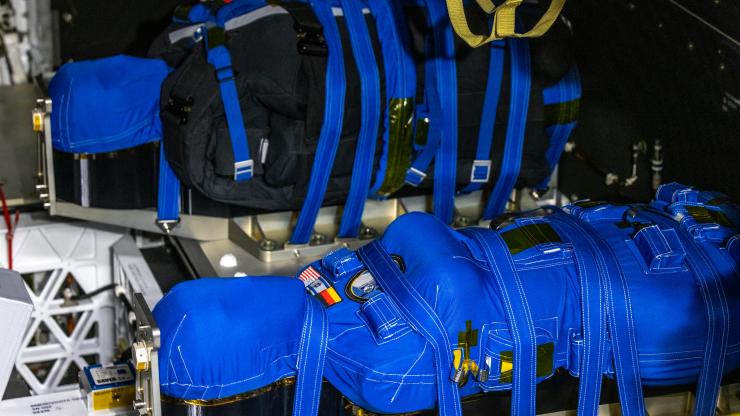
Collaboration with Duke Researchers to Send Manikins to Measure Radiation on Artemis I Moon Mission
When NASA’s Artemis I mission launches later this year, its crew will include Helga and Zohar, two manikin models designed in collaboration with Duke University. The manikins will collect valuable data about the radiation levels astronauts face as they travel through space