

Lab Tests Show Molecule Appears to Spur Cell Death in Tumors, Inflammation
Drug-like molecule is being studied as a therapy for cancer, autoimmune disorders.
A drug-like molecule developed by Duke Health researchers appears to intercede in an inflammatory response that is at the center of a variety of diseases, including some cancers, rheumatoid arthritis and Crohn’s disease.
Scientist Map Sex Chromosome Evolution in Fungi
Biologically speaking, nearly every species on Earth has two opposite sexes, male and female. But with some fungi and other microbes, sex can be a lot more complicated. Some members of Cryptococcus, a family of fungus linked to human disease, can have tens of thousands of different mating types.
Event creates a sense of community for underrepresented minority faculty, staff, students
Members of the School of Medicine’s underrepresented minority faculty, staff and students gathered with their families last weekend at an event hosted by Kevin Thomas, MD, assistant professor of medicine (cardiology) and associate dean of underrepresented minority faculty development in the School of Medicine. The goal of the event was to bring individuals together for networking, fellowship, and to experience the sense of community at Duke.
Welcome Class of 2021
About the new class and their orientation to Duke
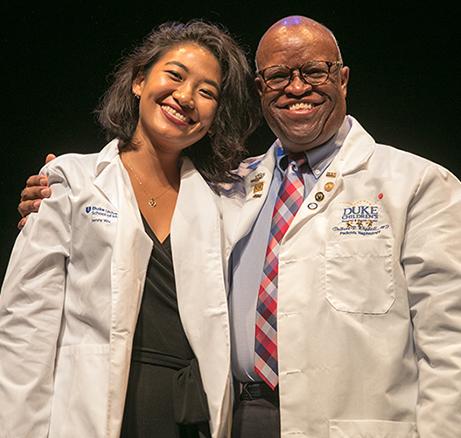
The School of Medicine’s class of 2021 is readying for their Duke experience with a time-honored ceremony and an immersion into the Duke and Durham community.
The 116 members of the class received their first white coats — a gift from the Duke Medical Alumni Association— at the White Coat Ceremony on August 4. The white coat signifies the virtues of altruism, responsibility, duty, honor, respect, and compassion.

Faculty Profile: George Parkerson's Life and Longtime Career in Family Medicine
Never believing in retirement, George R. Parkerson, Jr., M.D., MPH, has worked full time at the Duke University School of Medicine for the past 43 years. His work has been instrumental to the Department of Community and Family Medicine as he helped develop some of the first family medicine educational programs at Duke and served as chair of the department from 1985 to 1994.
Registration Open for Gopen Writing Seminars
Writing from the Reader’s Perspective
Registration open for faculty only until August 6
Registration will open to all others on August 7
Presented by: George D. Gopen, JD, PhD, Professor Emeritus of the Practice of Rhetoric, Department of English
When/Where:
Session 1: Thursday October 19; 1-5pm in the Duke South Amphitheater
Session 2: Thursday, October 26; 1-5pm in the Duke South Amphitheater
Session 3. Thursday November 2; 1-5pm in the Duke South Amphitheater
Dean Klotman’s Meet and Greet Reception
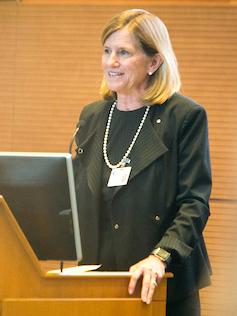
Close to 200 faculty, staff and students from across Duke Health and Duke University campus welcomed Mary Klotman, MD, to her new role as dean of the Duke University School of Medicine during a reception in the Trent Semans Center on August 1.
LACTATION ROOMS OFFER SUPPORT FOR NEW MOMS
Original Working@Duke Article
PUBLISHED JULY 31, 2017 IN WORKING@DUKE, CAMPUS
LACTATION ROOMS OFFER SUPPORT FOR NEW MOMS
Duke’s 22 lactation rooms provide privacy for mothers returning to work with breastfeeding needs
BETH HATCHER @WORKINGATDUKE
Like many new moms, Dr. Claire Siburt strives to balance work and family.
Second-Year Family Medicine Resident Alexa Mieses Elected the Resident Representative to AAFP
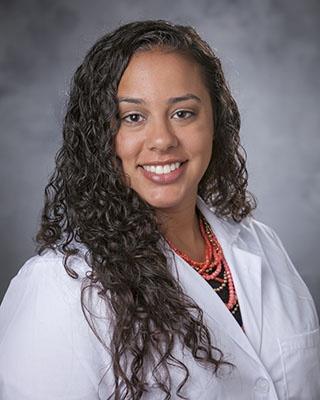
Duke Family Medicine second-year resident Alexa Mieses, M.D., MPH, was elected to be the resident representative to the Board of Directors of the American Academy of Family Physicians (AAFP) for 2017-18.
Elections were held at the 2017 AAFP National Conference of Family Medicine Residents and Medical Students in Kansas City, Mo., last week.
Scientists Use New Data Mining Strategy to Spot Those at High Alzheimer’s Risk
Method could group similar Alzheimer’s patients for more precise drug trials
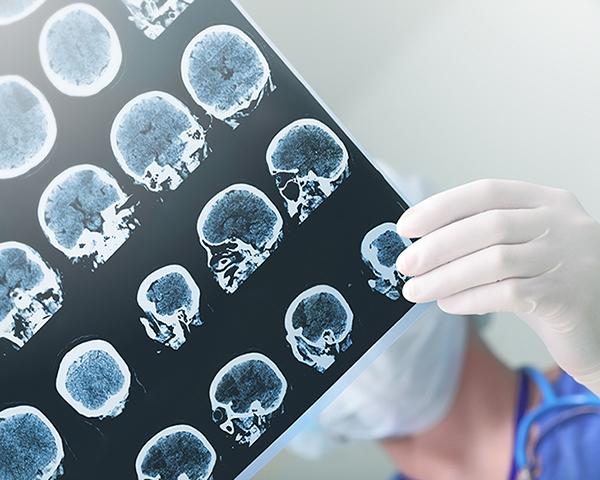
The push to develop treatments for Alzheimer’s disease has been a promising and disappointing endeavor over the past two decades, yielding a greater understanding of the disease yet still failing to generate successful new drugs.
To blame are the many undefined subtypes of mild cognitive impairment, a precursor to Alzheimer’s disease.