
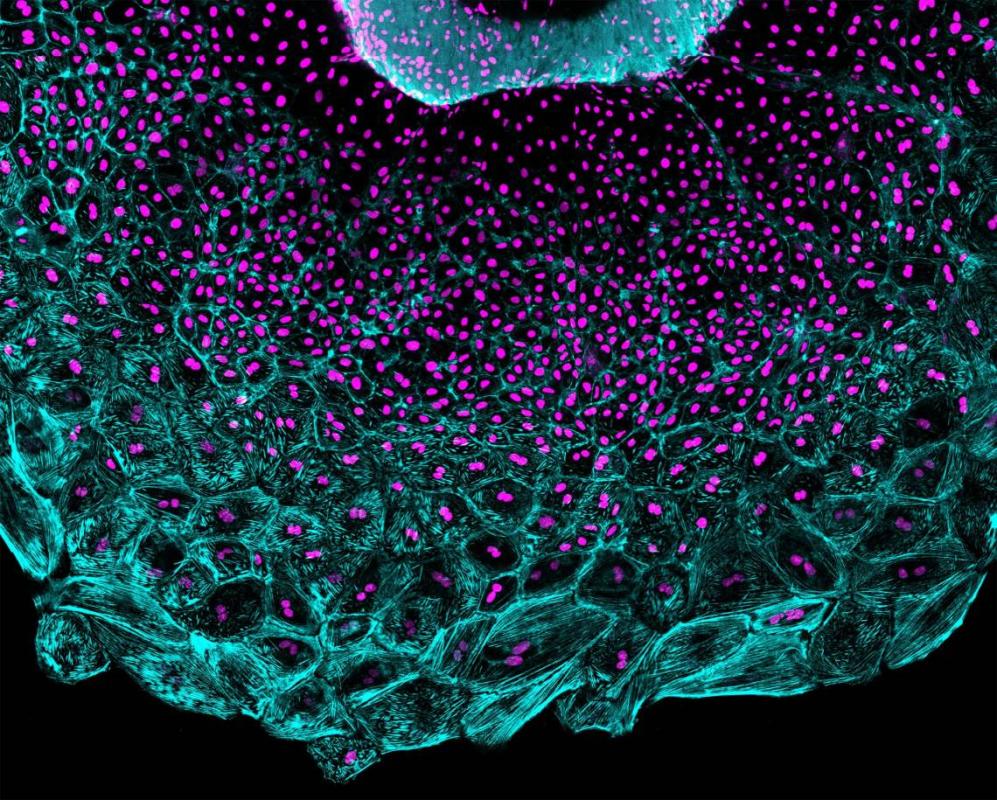
Tension Makes the Heart Grow Stronger
Cell-by-cell analysis of regrowing fish heart shows how stress helps
By taking videos of a tiny beating zebrafish heart as it reconstructs its covering in a petri dish, scientists have captured unexpected dynamics of cells involved in tissue regeneration. They found that the depleted heart tissue regenerates itself in a wave, led by a front of fast-moving, supersized cells and trailed by smaller cells that multiply to produce others.

DCRI’s Steven George receives funding for non-drug pain management research project
The project, in addition to others announced this week, is intended to address the needs of current U.S. service members and veterans.

Christopher Plowe Named Director of Duke Global Health Institute
Dr. Christopher Plowe, the founding director of the Institute for Global Health at the University of Maryland’s School of Medicine and a leading expert on malaria elimination, has been named director of the Duke Global Health institute (DGHI). He will start in January.
Plowe succeeds Dr. Michael Merson, who stepped down June 30 after leading the institute since it was launched in 2006.
EASD 2017: Study confirms safety of once-weekly exenatide in broad range of patients with diabetes
A global team of researchers reported in the New England Journal of Medicine that the study did not meet its primary efficacy endpoint, but yielded important results for all-cause mortality.
Duke Health Launches New Research Initiative
Chancellor Washington Introducing the Duke Health Intitiative
Hundreds of faculty, staff, students, and trainees gathered Wednesday, Sept. 13, to launch Translating Duke Health. The multi-year, multidisciplinary program will focus on areas where Duke Health can make the most significant contributions to health and healthcare.
Natural Molecule Appears to Shut Off Cancer Cells’ Energy Source
Lab experiments show promise for an anti-fungal compound found in nature
The Warburg Effect describes a phenomenon in which cancer cells voraciously consume glucose for energy – something scientists have long known, yet have had little success exploiting as a way to stunt tumor growth.
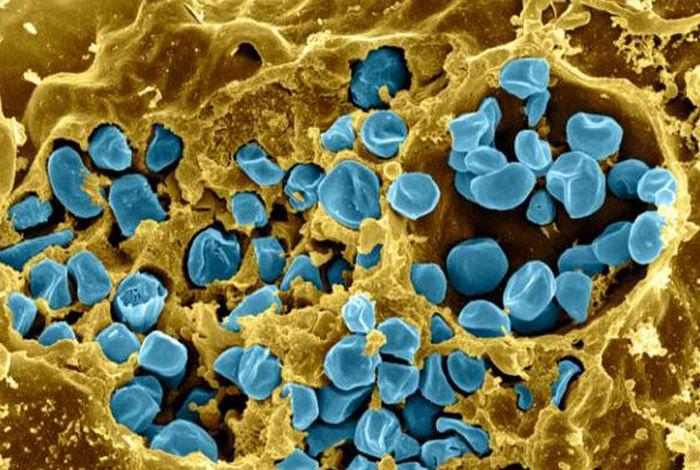
Molecular Map Shows How to Disable Dangerous Bioweapon
During World War II, the Soviet Red Army was forced to move their biological warfare operations out of the path of advancing Nazi troops. Among the dangerous cargo were vials of Francisella tularensis, the organism that causes tularemia and one of the world’s most infectious pathogens.
Hernandez named Vice Dean for Clinical Research; Swamy named Senior Associate Dean in Clinical Research
Adrian Hernandez, MD, has been named the new vice dean for clinical research for the Duke University School of Medicine. Dr. Hernandez will begin his service as vice dean on September 5, 2017.
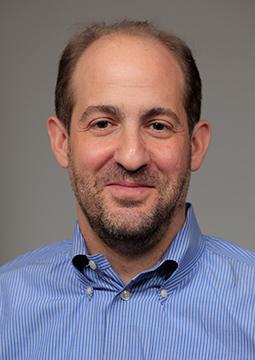
The Department of Population Health Sciences Trains D&I Scholars to Confront Cardiovascular Outcomes
Through a recently awarded K12 grant, the Department of Population Health Sciences will train Dissemination and Implementation (D&I) scholars to use rigorous qualitative and quantitative methods that will impact cardiovascular health outcomes. The program will be spearheaded by its Program Director, Hayden B. Bosworth, PhD, and Associate Director, Ebony Boulware, MD, PhD.
