
Duke Health Launches New Research Initiative
Chancellor Washington Introducing the Duke Health Intitiative
Natural Molecule Appears to Shut Off Cancer Cells’ Energy Source
Lab experiments show promise for an anti-fungal compound found in nature
The Warburg Effect describes a phenomenon in which cancer cells voraciously consume glucose for energy – something scientists have long known, yet have had little success exploiting as a way to stunt tumor growth.
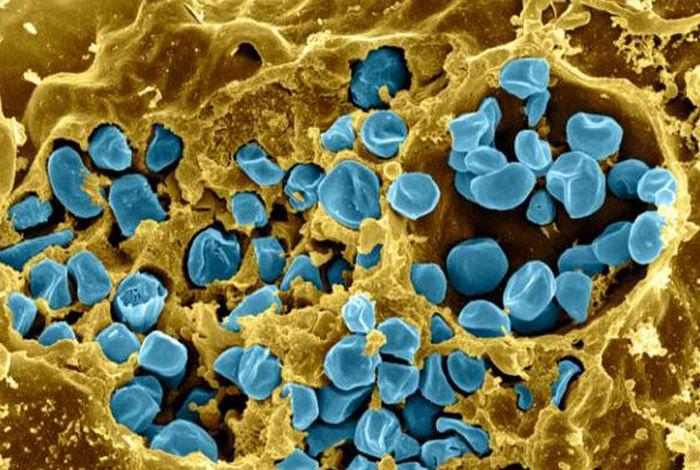
Molecular Map Shows How to Disable Dangerous Bioweapon
During World War II, the Soviet Red Army was forced to move their biological warfare operations out of the path of advancing Nazi troops. Among the dangerous cargo were vials of Francisella tularensis, the organism that causes tularemia and one of the world’s most infectious pathogens.
Hernandez named Vice Dean for Clinical Research; Swamy named Senior Associate Dean in Clinical Research
Adrian Hernandez, MD, has been named the new vice dean for clinical research for the Duke University School of Medicine. Dr. Hernandez will begin his service as vice dean on September 5, 2017.
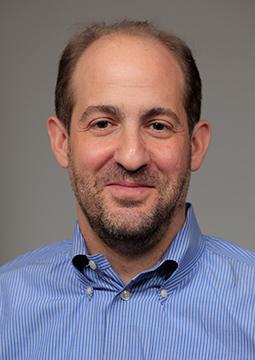
The Department of Population Health Sciences Trains D&I Scholars to Confront Cardiovascular Outcomes
Through a recently awarded K12 grant, the Department of Population Health Sciences will train Dissemination and Implementation (D&I) scholars to use rigorous qualitative and quantitative methods that will impact cardiovascular health outcomes. The program will be spearheaded by its Program Director, Hayden B. Bosworth, PhD, and Associate Director, Ebony Boulware, MD, PhD.


Cardiac Arrests in Black Neighborhoods Less Likely to get CPR, Defibrillation
Study shows that delaying CPR is associated with worse survival
Surviving cardiac arrest often seems like a matter of luck – whether a passerby knows CPR, or a defibrillator is close at hand or the ambulance arrives quickly.
But one surprising factor also plays a role: The racial makeup of your neighborhood.
Duke Scientists Map Genomic Atlas of Your Inner Fish Gut
Genetics of digestion little-changed in 420 million years
Scientists have discovered a network of genes and genetic regulatory elements in the lining of the intestines that has stayed remarkably the same from fishes to humans. Many of these genes are linked to human illnesses, such as inflammatory bowel diseases, diabetes and obesity.
Creating Duke's PCLT Program
In 2009, Deans Edward Buckley, MD and Colleen Grochowski, PhD of the Duke School of Medicine (SoM) asked for a group to come together to figure out how to promote primary care at the school. Duke had received a gift from the estate of Edith Martin that stipulated that the money be used to promote primary care. A group of dedicated educators started brainstorming together. Among that group, Dr.

Education and Monitoring Improves the Use of Stroke-Prevention Therapies
Improving use of anticoagulation drugs is a key to preventing strokes
DURHAM, N.C. -- Only about half of patients with atrial fibrillation worldwide take anticoagulant drugs, despite the medications being highly effective in preventing strokes.
Increasing the use of anticoagulation therapies could prevent hundreds of thousands of strokes each year. A new study shows that education, measurement and feedback are effective approaches to increasing the use of anticoagulants, and demonstrate on a large scale how this improvement can be achieved.