
Duke University School of Medicine Ranked Among Country’s Top 10 Medical Schools
The Duke University School of Medicine is ranked number 7th among all medical schools in the nation, up from eight last year. The rankings were published by U.S. News & World Report.
Several specialty programs in the School of Medicine also were ranked among the best in the country: Internal Medicine (fifth); Geriatrics (tied for fifth); Family Medicine (ninth).

Most Atrial Fibrillation Patients Don’t Get Preventive Drug Before Stroke
Anticoagulants were not used according to guidelines, despite evidence they prevent strokes
More than 80 percent of stroke patients with a history of atrial fibrillation either received not enough or no anticoagulation therapy prior to having a stroke, despite the drugs’ proven record of reducing stroke risk, according to a Duke Clinical Research Institute study.
Duke’s Inter-professional Education Clinic Offers Unique Experience for Students and Patients
(left to right) Rheaya Willis, Medical Student; Laura Previll, MD; Jeff Marcotte, PA; Elizabeth Mathenge, Medical Student; Iris Padilla, PhD, MSN, APRN, FNP-BC; Mackenzie Tulleners, Nurse Practitioner Student; Deanna Griffie, Nurse Practitioner Student
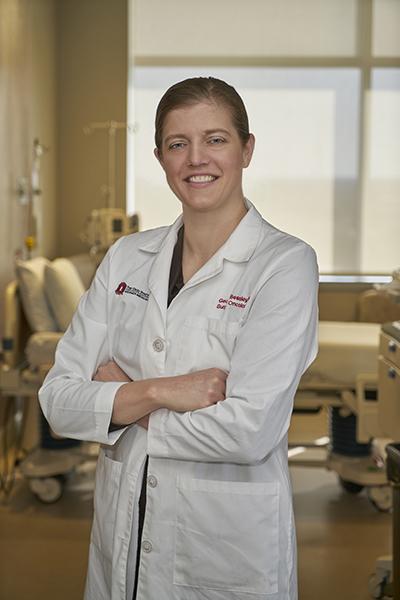
Georgia Beasley, T’01, MD’08, MHS’12, HS’08-’15
Scoring points for health: Former All-American Female Duke basketball player transitions to career in medicine
By Aliza Inbari
More Extremely Preterm Babies Survive, Live Without Neurological Impairment
Overall survival and development of infants born at 23, 24 weeks improving, study finds
Babies born at just 22 to 24 weeks of pregnancy continue to have sobering outlooks _ only about 1 in 3 survive.
How Can We Better Connect Community Health Improvement Efforts in Durham?
IBM Health Corps team shares ideas on how to better connect and coordinate Durham’s efforts to make our community healthier
Members of the IBM Health Team with staff from Urban Ministries, one of the many organizations they visited while in Durham, NC. Photo courtesy of IBM.

Proteins in Your Runny Nose Could Reveal a Viral Infection
Scientists identify biomarkers in mucous that verify viral infection from cold or flu
It may seem obvious, but the key to confirming whether someone is suffering from a cold or flu virus might lie at the misery’s source -- the inflamed passages of the nose and throat.
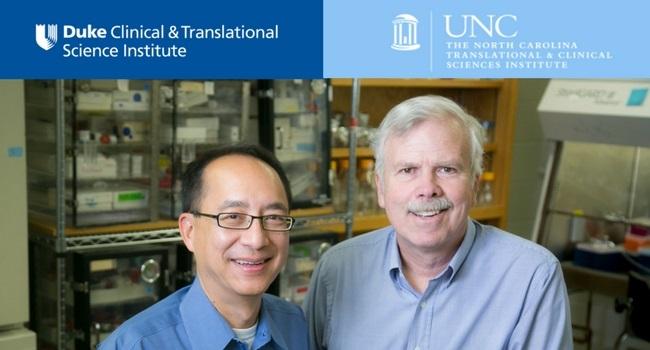
Tackling Human Brain Tumors by First Growing Them in a Dish
Duke and UNC researchers receive CTSA Consortium Collaborative Pilot Award to develop a new way to study cancer
For doctors and patients, the fight against cancer can be a lot like an exceedingly tricky version of the classic arcade game of whack-a-mole. You might beat back a tumor or part of a tumor, only to have another one pop up. To make matters worse, the “mallet” or treatment that successfully whacks the first tumor cells doesn’t always work on those arising later. You might need a new strategy or even an entirely different drug. It’s a tough game to win.

Can Gene-Editing Tools Cure Chronic Hepatitis B?
Researchers from Duke and UNC team up to find an answer, with funding from the two institutions’ NIH Clinical and Translational Science Awards (CTSA).
For hundreds of millions of people around the world with chronic hepatitis B infection, anti-viral treatments do a good job of keeping the virus under wraps. Anti-viral treatments are essential in slowing damage to the liver, reducing the chance of liver cancer, and helping people live longer. But in the vast majority of cases, there is no end to the infection.

Prostate Cancer Cells Grow with Malfunction of Cholesterol Control in Cells
Shutting down this source at the root cause could improve cancer survival
Advanced prostate cancer and high blood cholesterol have long been known to be connected, but it has been a chicken-or-egg problem.