

Martin Marietta gift fuels Duke Health Cary expansion
A generous gift to Duke Health by Martin Marietta, a leading U.S. supplier of aggregates and other building materials headquartered in Raleigh, will help fund an expansion of Duke Health Cary for hospital services.

New strategy creates CAR-T cells inside the body
Researchers at Duke University School of Medicine, working in collaboration with scientists at University of California, San Francisco, and University of California, Berkeley, have developed&n

A tiny DNA switch may explain why human brains grew so big
A short piece of DNA that changed rapidly in humans compared with other mammals
appears to act like a volume knob for brain growth.

Duke seminar prepares PA students for AI’s future in health care
Nicholas Hudak, PhD, PA-C, professor in family medicine and community health, is guiding physician assistant students in learning the responsible use of AI in clinical practice.



Colorectal cancer at age 30
An immunotherapy clinical trial at Duke has given Spencer Laird and his family new hope.

16-year study finds major health burden in single-ventricle heart
Duke researchers have found that nearly 90% of children born with single-ventricle heart disease have continuing health major health challenges into adolescence and sometimes beyond.
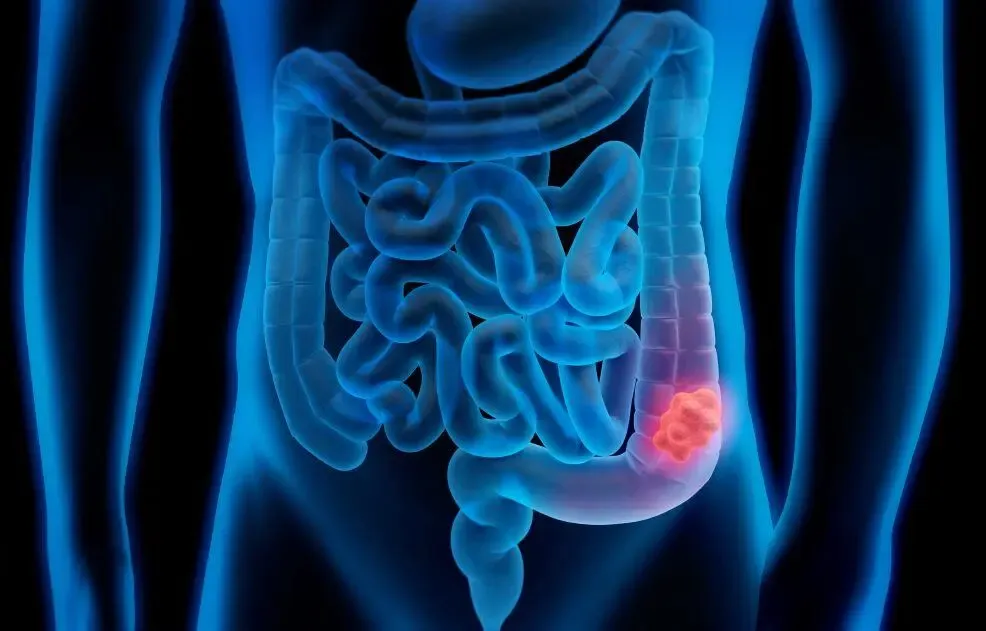
Duke researchers study immune system response to chemotherapy for colorectal cancer
Read the story on the Duke Cancer Institute blog.
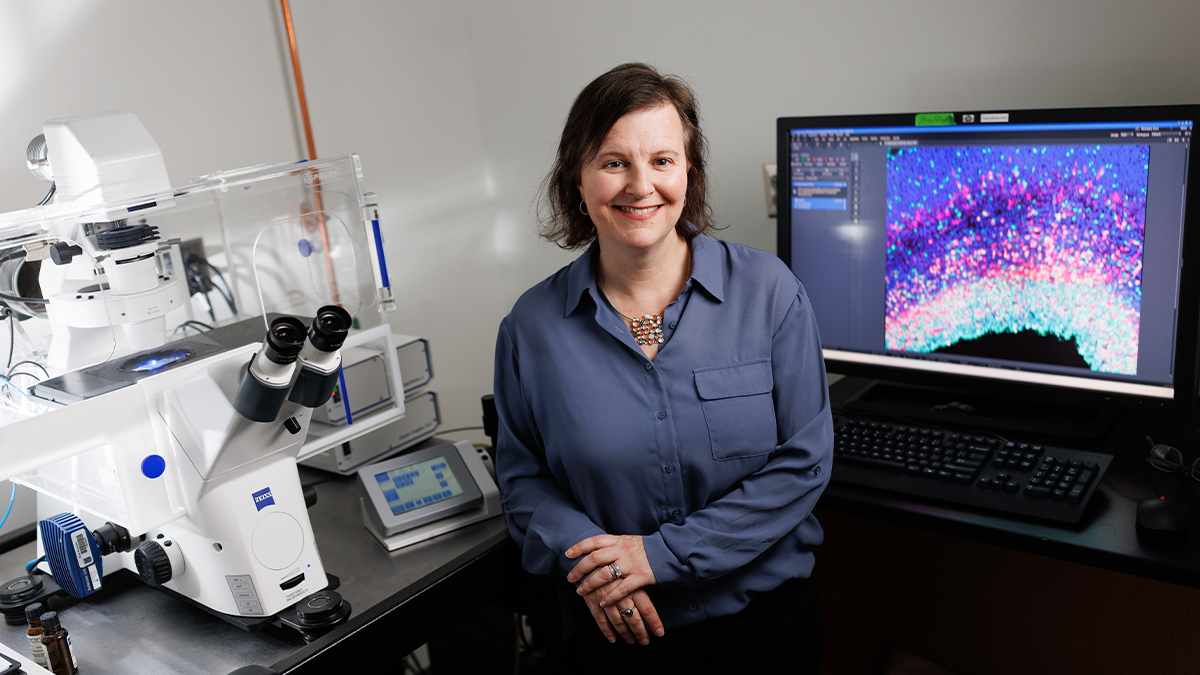
The Brain’s Blueprint Maker
Debra Silver, PhD, is pursuing one of neuroscience’s biggest questions: What makes a human brain human? She researches it with the same mix of precision and adventure she brings to her passion for scuba diving.