

Duke and UNC researchers to co-lead $12.9M study to improve care for autistic children
Duke University has been awarded $12.9 million from the Patient-Centered Outcomes Research Institute (PCORI) for a new clinical trial aimed at improving the standard of care for autistic children with chronic digestive discomfort. The study will be co-led by researchers at UNC-Chapel Hill, underscoring the impact of the partnership between Duke Health and UNC Health to form North Carolina Children’s, which is planning to break ground in 2027.

Durham students commit early to health care careers at Duke
Over 100 students in Durham County enrolled last week in the incoming freshman class at the Durham Early College of Health Sciences. The school, an innovative partnership among Durham Public Schools, Durham Tech, and Duke Health, supported by a $29.5 million grant from Bloomberg Philanthropies, educates high school students in skill that lead to jobs in patient care or clinical research at Duke Health upon graduation.


Hidden enzyme may explain muscle loss tied to cancer treatment
Team from Duke University School of Medicine and Duke NUS identify an enzyme that helps explain why muscles weaken in some cancer patients.

A Rare Childhood Disease Finally Mapped
Duke Children's Hospital pinpoints genetic cause and disease course of alternating hemiplegia of childhood, a rare pediatric neurological disorder.

Catching a fungal enzyme open for business
Serious fungal infections are becoming more common and harder to treat as fungi develop resistance to drugs. A new Duke University study reveals, for the first time, how the antifungal drug caspofungin really works: instead of simply sticking to a fungal enzyme, it jams the process while the fungus is actively building its cell wall. Understanding this hidden mechanism helps explain why the drug sometimes fails and could lead to better antifungal treatments in the future.

Four Duke leaders named as inaugural Fellows of ACTS
The Association for Clinical and Translational Science (ACTS) fellows program recognizes individuals who have made substantial contributions to and service within the clinical and translational science field and who are an essential part of the clinical and translational community.
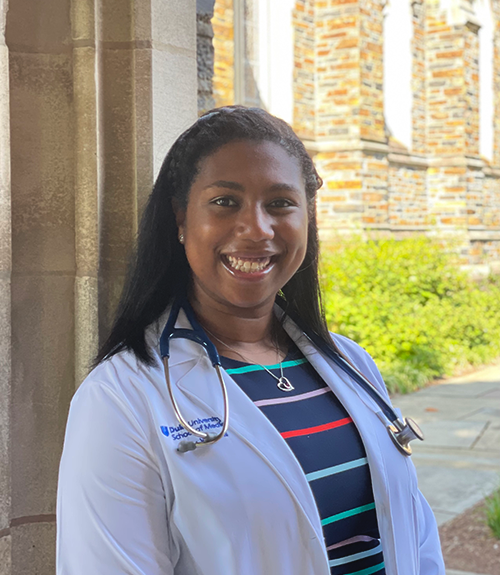
A Student-Led Push to Rethink Heart Healing
Some tissues, like liver and skeletal muscle, can regenerate after injury and can go back to functioning normally. Heart tissue, though, typically scars after injury.

A new kind of house call: First-of-its-kind telehealth program transforms care for homebound patients
Duke University medical students launched a first-of-its-kind telehealth program that transformed the way primary care is delivered to low-income older, homebound adults, and those with disabilities in Durham.
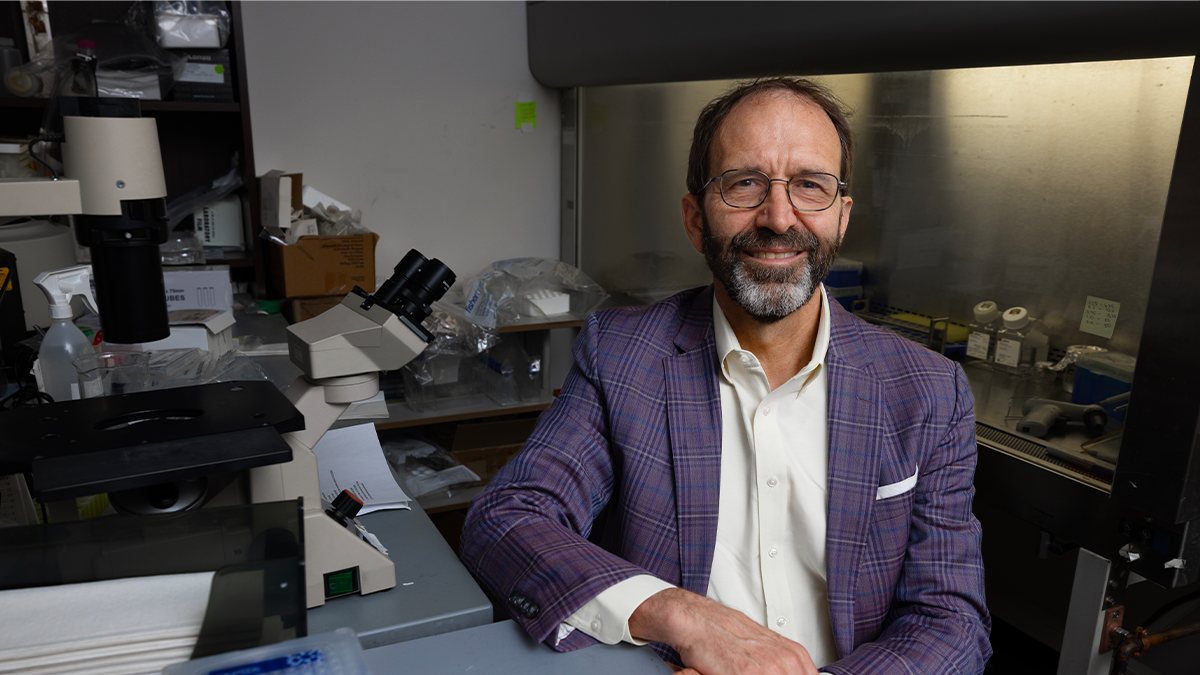
Pioneering the next generation of genetic therapies
Duke investigators are advancing gene and genome editing approaches to treat Pompe disease and glycogen storage disorders.