
Nobel Laureates to Receive NC Award
Research Triangle Nobel laureates Paul Modrich and Aziz Sancar are picking up another prize on Thursday, Sept. 22, when they receive the North Carolina Award, the state’s highest honor.
Modrich, the James B. Duke professor of biochemistry, and Sancar, the Sarah Graham Kenan Professor of Biochemistry and Biophysics at UNC, shared the Nobel Prize in Chemistry in 2015 for their independent discoveries on DNA repair mechanisms. Now, they’re being honored for their contributions to the state and the nation.
New model provides new insight on human response to stress hormone
Cortisol reduces inflammation in your joints and mobilizes glucose into your body to give your muscles energy to run.
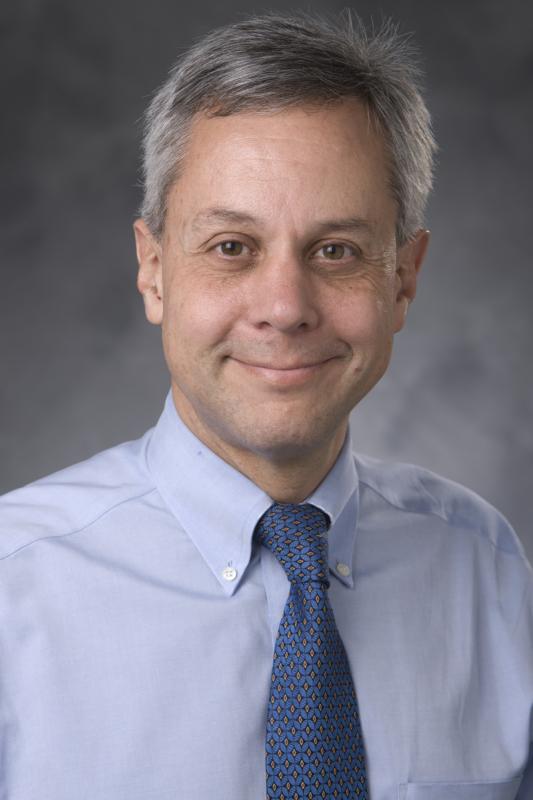
Baker named Director of Trent Center for Bioethics, Humanities & History of Medicine
Jeffrey Baker, MD, PhD, has been named director of the Trent Center for Bioethics, Humanities & History of Medicine. Founded in 1999 as the Center for the Study of Medical Ethics and Humanities, the center brings together scholars and students who use it as a home for research, study and service in ethics, medical humanities, and the history of medicine. In 2006, the center was renamed in honor of Dr. Josiah C. Trent, a noted Duke surgeon and medical historian.
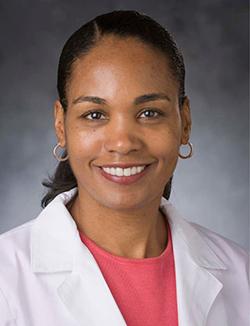
Duke Launches the Duke Clinical and Translational Science Institute
Eugene Washington, MD, chancellor for health affairs at Duke University and president and CEO of the Duke University Health System, and Nancy Andrews, MD, PhD, dean of the Duke University School of Medicine, today announced the launch of the Duke Clinical and Translational Science Institute (CTSI).
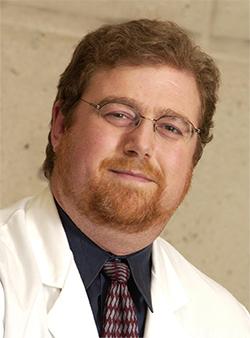
Mouse Study Points Way to Shut Down Harmful Immune Response in Lupus
Molecules that scavenge debris from dying cells appear to halt the cycle of chronic inflammation in lupus, while also enhancing the body’s ability to combat flu, according to Duke Health studies in mice.
The molecules, called polymers, have commonly been used in gene-transfer experiments because they bind to the nucleic acid in DNA and RNA. When deployed directly in mice with lupus or an acute flu infection, the polymers home in on the DNA and RNA refuse from dying cells, halting the damaging immune attack.

Paraplegics Regain Some Feeling, Movement After Using Brain-Machine Interfaces
The research -- led by Duke University neuroscientist Miguel Nicolelis, M.D., Ph.D., as part of the Walk Again Project in São Paolo, Brazil -- offers promise for people with spinal cord injury, stroke and other conditions to regain strength, mobility and independence.
“We couldn’t have predicted this surprising clinical outcome when we began the project,” said Nicolelis, co-director of the Duke Center for Neuroengineering who is originally from Brazil.

Duke Team Identifies New ‘Mega-Complex’ Involved in Cell Signaling
Duke Health-led researchers have discovered new information about the signaling mechanism of cells that could one day help guide development of more specific drug therapies.
For years, well-established science detailed the intricacies of how cells change function after receiving chemical signals from hormones, neurotransmitters or even drugs.
Tracking How HIV Disrupts Immune System Informs Vaccine Development
One of the main mysteries confounding development of an HIV vaccine is why some people infected with the virus make the desired antibodies after several years, but a vaccine can’t seem to induce the same response.
A research team led by scientists at the Duke Human Vaccine Institute has been unraveling that mystery, detailing new insights in a study published July 29 in the journal Science Immunology.
Duke summer program provides STEM experience for minorities
Duke University is in its 16th year offering their Summer Medical and Dental Education Program. Based on their interest in science fields, 80 students, were invited to jump in. The program was featured on WRAL news .
Read more
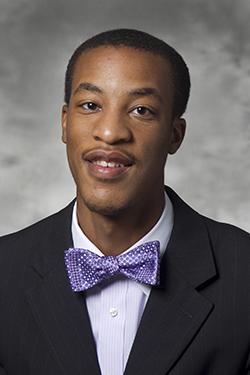
Duke Med School Student Elected Chair of the Student National Medical Association Board of Directors
Kevin L. Anderson, Jr., a fourth year MD/MHSc candidate at Duke University School of Medicine, has been elected national chairman of Student National Medical Association (SNMA) board of directors. Founded in 1964 by medical students from Howard University College of Medicine and Meharry Medical College, the SNMA is the nation’s oldest and largest, independent, student-run organization focused on the needs and concerns of medical students of color. Organized with chapters across the nation, the SNMA membership includes over 7,000 medical students, pre-medical students and physicians.