
Sept. 24, learn about a cool tool for biosketches!
Sometimes a little technology can save a lot of effort. A valuable tool for creating and maintaining complete and compliant biosketches for National Institutes of Health applications in the NIH’s “SciENVcv” system.
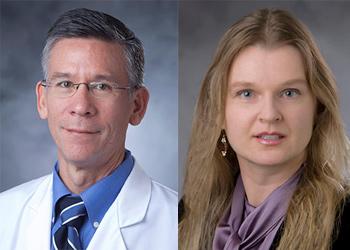
N.C. Residents Living Near Large Hog Farms Have Elevated Disease, Death Risks
North Carolinians who live near large hog farms -- known as concentrated animal feeding operations, or CAFOs -- have higher death rates from a variety of causes than comparable state residents who live further away from such facilities.
Despite Studies, Health Effects of Coal-Burning Power Plants Remain Unknown
A review of studies over the past 30 years provides a body of evidence that people living near coal-fired power plants have higher death rates and at earlier ages, along with increased risks of respiratory disease, lung cancer, cardiovascular disease and other health problems.
The elevated health risks appear to be associated with exposure to air pollutants from the coal-burning power plant emissions and to the heavy metals and radioactive material in coal ash, a waste product of the plants.
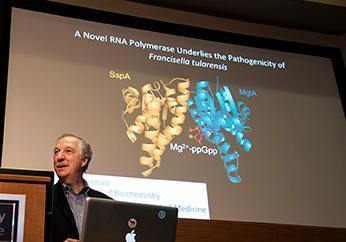
Basic Science Day Showcases Wide Spectrum of Discovery Research at Duke
Eleven Duke faculty members and 34 biomedical students presented their basic science research at the School of Medicine’s 9th Annual Basic Science Day on Wednesday, September 12 in the Trent Semans Center Great Hall. Faculty members gave 30 minute oral presentations, and students presented their posters during two hour long poster sessions.
Sept. 24, learn about a cool tool for biosketches!
Sometimes a little technology can save a lot of effort. A valuable tool for creating and maintaining complete and compliant biosketches for National Institutes of Health applications in the NIH’s “SciENVcv” system.
Register Now! School of Medicine Finances: A Primer
Presented by: Scott Gibson, MBA, Executive Vice Dean for Administration
When: Thursday, January 17, Noon-1:30pm
Where: Trent Semans Center, Great Hall
Targeted epigenome editing as ‘next generation drugs’ for Parkinson’s disease
By 2020, the Parkinson’s Foundation estimates that nearly one million people will be living with Parkinson’s disease (PD) in the U.S. That’s more than the number of people diagnosed with multiple sclerosis, muscular dystrophy and Lou Gehrig’s disease combined. Researchers at Duke are taking action.
Register Now! Getting Promoted in the Clinical Sciences
Getting Promoted in the Clinical Sciences
Wednesday, October 17, 2018, 12:30-3:00pm; Trent Semans Great Hall
Register here
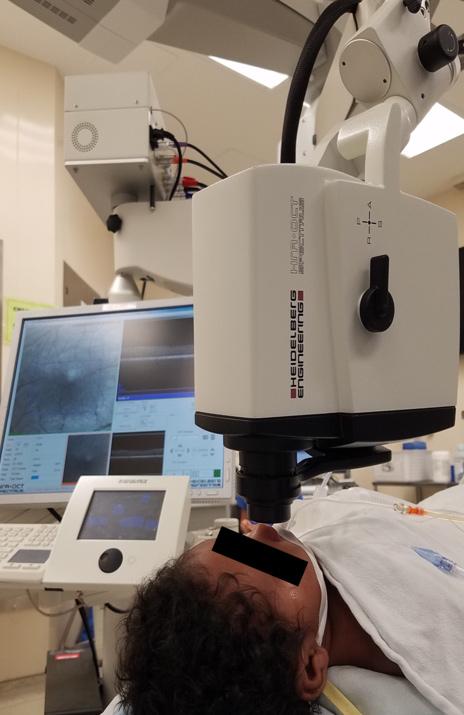
Medical Student Leads Study to Extend New Non-invasive Imaging Technology to Infants
Duke scientists found that a recently popularized non-invasive technology used to detect eye diseases in adults can also be used on infants.
Using an imaging system known as optical coherence tomography angiography (OCTA), they were able to view the different layers of tiny blood vessels in the eyes of newborn babies without having to touch the baby or inject any dye.
Researchers in the Regeneration Next Initiative Discuss Re-growing Tissues in the Human Nervous System.
Duke researchers in the Regeneration Next Initiative discuss their work on re-growing tissues in the human nervous system. The hope would be to repair the ravages of neurodegenerative conditions, but we have a long way to go. Deborah Silver, Cagla Eroglu and Romain Cartoni discuss their current research in brains, eyes, and the central nervous system, some of which involves gene therapy.
[video:https://youtu.be/J-swDpA7_Mc]