
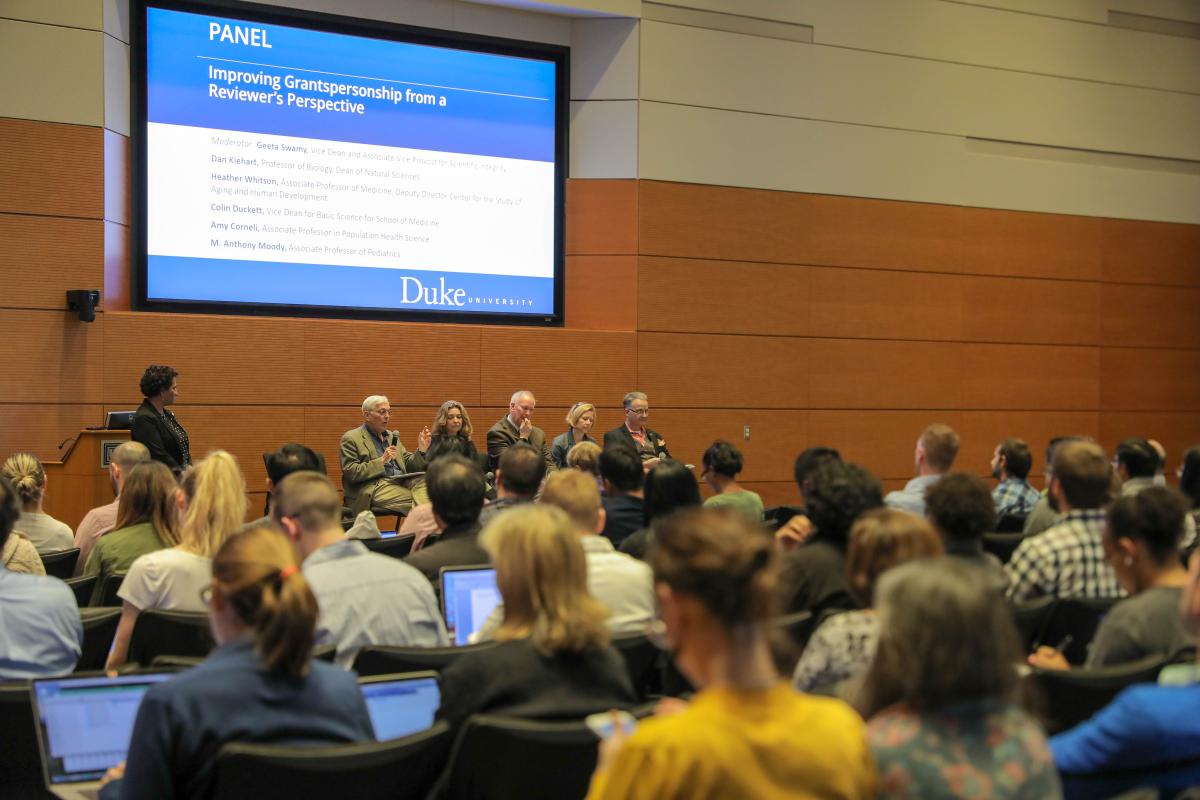
Improving Grantspersonship from a Reviewer's Perspective
The newly created Duke Office of Scientific Integrity (of which ASIST is part of) recently hosted a town hall “Improving Grantspersonship from a Reviewer's Perspective”. Over 200 Duke faculty, trainees and staff came to hear tips and tricks on grant writing from faculty who are experienced grant reviewers. Our panelists came from a variety of disciplines from across Duke:

Clinical Research Update - December 2018
Research Community News
DOCR News
Did You Know?
Training Opportunities
Clinical Research Employee Highlights
Partner Resources
Research Community News
Duke Trio Shares $1 Million Award to Understand Genetic Roots of Parkinson’s Disease
Cagla Eroglu, PhD, Nicole Calakos, MD, PhD, and Al La Spada MD, PhD
A trio of Duke researchers have received a grant of more than $1 million to study the role of astrocytes--common, star-shaped support cells within the brain--in the development of Parkinson’s disease.
How Low Can You Go? Xtreme Everest Researchers Went High Up in the Clouds to Find Out
When a patient’s blood oxygen levels drop below 90 percent in the emergency room in the United States, many doctors panic.
The body needs oxygen in order to transfer the energy stored in food into usable energy. If the body is deprived of oxygen for too long, organs begin to shut down.
However, on top of Mount Everest— the tallest mountain in the world at 29,029 feet—many people reach oxygen levels of 60 percent and yet manage to function reasonably well.

Scientists Identify ‘Youth Factor’ in Blood Cells That Speeds Fracture Repair
For a child, recovering from a broken bone is typically a short-lived, albeit painful, convalescence. But for older adults, it can be a protracted and potentially life-threatening process.
Finding ways to speed bone repair is a public health priority that could save both lives and health care expense. The Centers for Disease Control and Prevention reports that more than 800,000 patients a year are hospitalized because of fall injuries, including broken hips, and these hospitalizations cost an average of $30,000.
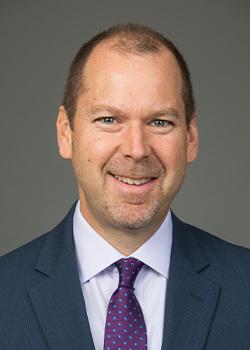
Expanded Cord Blood Shows Potential for Use in Adult Bone Marrow Transplants
Umbilical cord blood stem cells that are cultured and expanded outside the body before being used for bone marrow transplant in adult blood cancer patients appear safe and restore blood count recovery faster than standard cord blood.

The Real Enemy of Good Science
Is the biggest enemy of good science a financial conflict of interest? Probably not. The real enemy is bias. How do you measure bias? What are potential sources of bias?
Some degree of bias is almost always present in science. This becomes an issue when as a COI office, we don’t know what ulterior motives might be motivating someone. We can measure a financial conflict, but how can one measure a desire to be successful, or a belief in a line of work in a particular field?
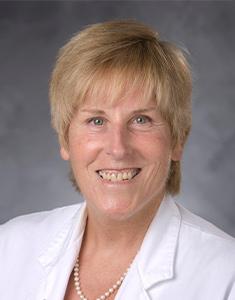
Anna Mae Diehl, MD, Receives Beckman Trust Award for Outstanding Mentorship
Anna Mae Diehl, MD, the Florence McAllister Professor of Medicine and professor of molecular genetics and microbiology in Duke University School of Medicine, has won the Beckman Trust Award. She and seven other distinguished professors from around the United States were honored at a ceremony at the Grand Hyatt Atlanta earlier this month.
Duke Researchers Partner with Space Agencies to Send Human Models to Space to Test Radiation Risks
Illustration by Laura Hughes
Those who remember the crash test dummy commercials for automobiles in the 1980s know that testing new technologies using human models first can help keep actual people safe.
School of Medicine Faculty Plentiful on 'Highly Cited' List
When scientific publication is viewed as a web of connections, some publications are bigger than others. (Image Luc Viatour)
Forty-four members of Duke’s faculty are included in the 2018 Highly Cited Researchers list complied by Clarivate Analytics and Web of Science. More than half of them (26) are from the School of Medicine.