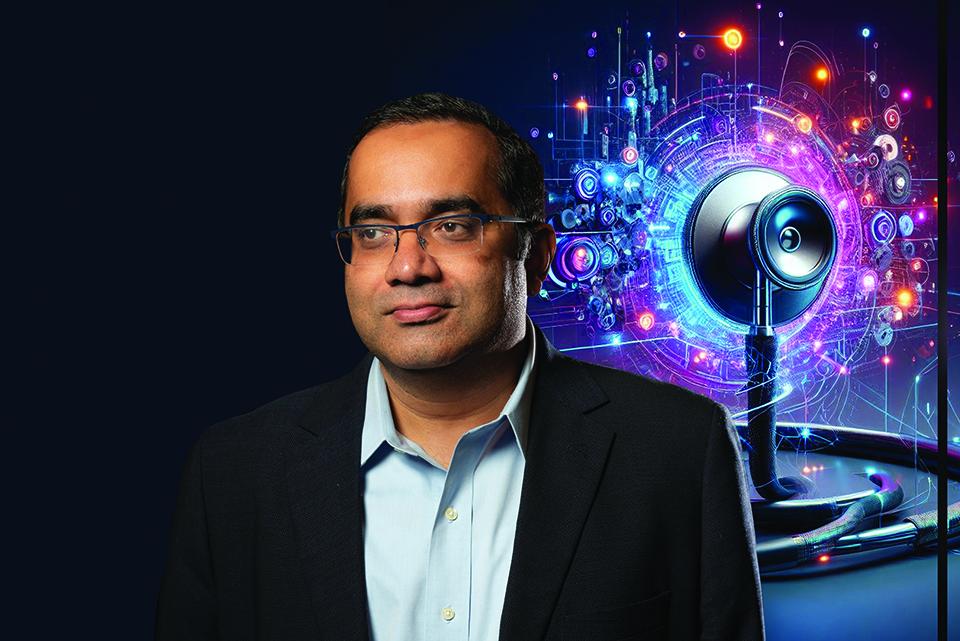
Duke University School of Medicine is home to multiple initiatives and centers aimed at advancing the frontiers of artificial intelligence and machine learning in medicine and healthcare. The School encompasses a broad array of multidisciplinary collaborations in AI for healthcare focused on discovery science, clinical research, patient care, community engagement, governance, and education and training.
Duke AI Health
Duke AI Health’s core mission is to advance research, training, and education in artificial intelligence, machine learning, and data science applications for health and healthcare. A multidisciplinary, campus-spanning initiative housed in the Duke University School of Medicine, AI Health harnesses expertise and insights across multiple schools, centers, and institutes at Duke to bring to bear the power of AI, machine learning, and related quantitative fields on medicine, healthcare delivery, and the health of individuals and communities.
Duke Health AI Evaluation and Governance (E&G) Program
The Duke Health AI Evaluation & Governance (E&G) Program fosters continuous advancement in research and framework development related to responsible health AI. The program is committed to supporting initiatives that ensure the reliable selection, development, deployment, and utilization of AI technologies. E&G connects experts across Duke and engages in internal, national, and international collaborations.
Discovery AI
Discovery AI, housed in the Duke University School of Medicine and spanning multiple schools, departments and institutes across campus, advances the integration of artificial intelligence with fundamental biological research. The Center’s core mission is to fundamentally transform how biological systems are interrogated and engineered across all scales, from molecular to cellular to tissue.
AI in the News
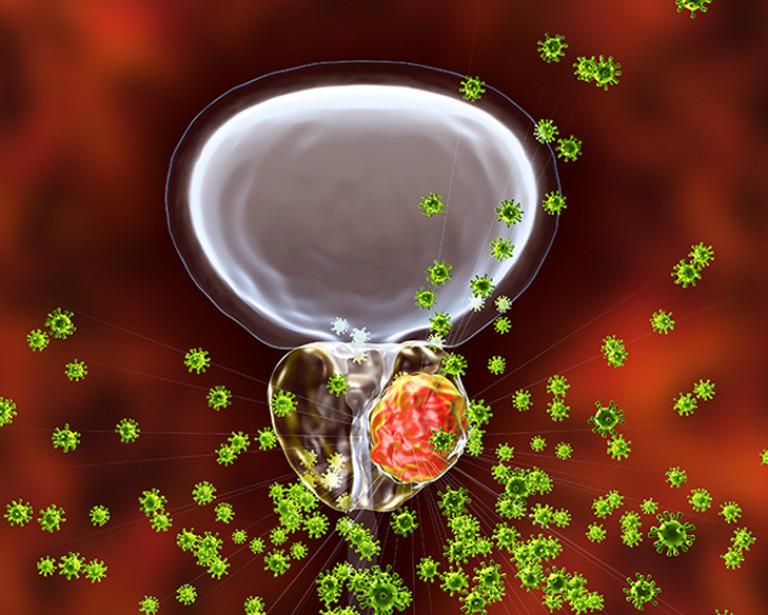
AI Tool May Help Some Prostate Cancer Patients Avoid Hormone Therapy

Duke Sets National Standards for Safe, Scalable AI in Health Care
New AI Methods Advance Diagnosis After Brain Metastasis Treatment
Neuroscientists Develop An AI Tool to Reveal the Brain's Secrets

AI Model Predicts Risks and Potential Causes of Adolescent Mental Illness
What Comes Next: Neuroscience

What Comes Next: Vaccines

What Comes Next: Cancer Epidemiology and Population Health
What Comes Next: Integrative Immunobiology