

Sullivan to lead basic and preclinical science at Duke School of Medicine
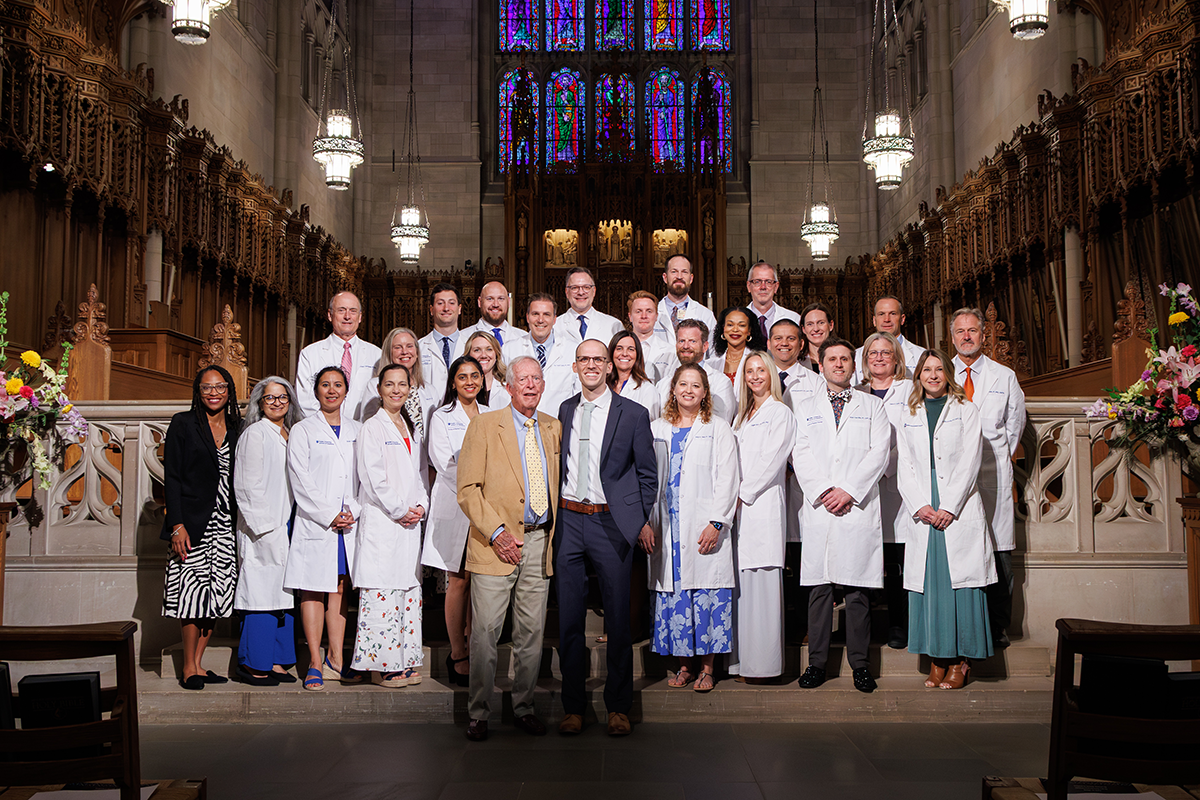
Beth A. Sullivan, PhD, has been appointed vice dean for basic and preclinical science at Duke University School of Medicine, effective July 1, 2026.

N.C. ready to lead in reducing heat risk
Extreme heat is a growing public health threat, hitting outdoor workers, older adults, and people in rural or low-income communities the hardest. Duke University School of Medicine researchers say North Carolina is well positioned to lead efforts to reduce that impact, building on the state’s Heat Health Alert System and the NC DETECT surveillance platform.

Blake Wilson and cochlear implant team win 2026 Merkin Prize
Duke University’s Blake Wilson has been awarded the 2026 Merkin Prize in Biome

Durham Early College of Health Sciences finishes first year strong, with nearly 100% retention
A collaboration between Duke Health, Durham Public Schools, and Durham Technical Community College, the Durham Early College of Health Sciences prepares high school students for healthcare and clinical research careers through an innovative curriculum and hands-on learning experiences. This pathway is the first of its kind to provide entry directly from high school into the clinical research workforce. The school just completed its first year with a nearly 100 percent retention rate.


The surprising hormone behind the next generation of weight-loss drugs
The science behind next-generation obesity drugs may come down to an unexpected player: glucagon, a hormone that boosts energy expenditure for sustained weight loss.
Gift advances nurse-led innovation at Duke Health
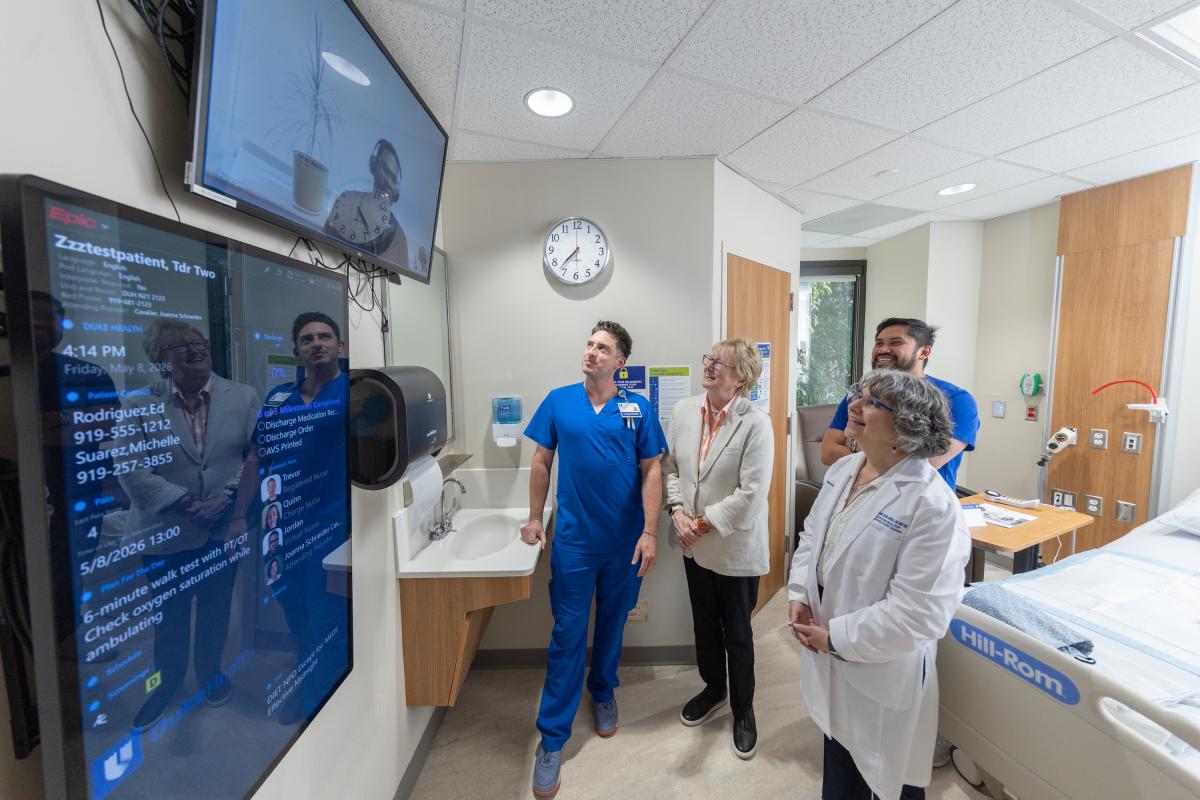
A trailblazing hospital executive who transformed large health systems and championed innovation, Nancy Schlichting, MBA, T’76, has spent her career elevating the role of nurses in delivering better care. Now, together with her wife, Pam Theisen, Schlichting is extending that commitment through a gift to launch the Nursing Innovation Fund at Duke Health.
New study reveals ‘droplet’ mechanism behind key drug targets
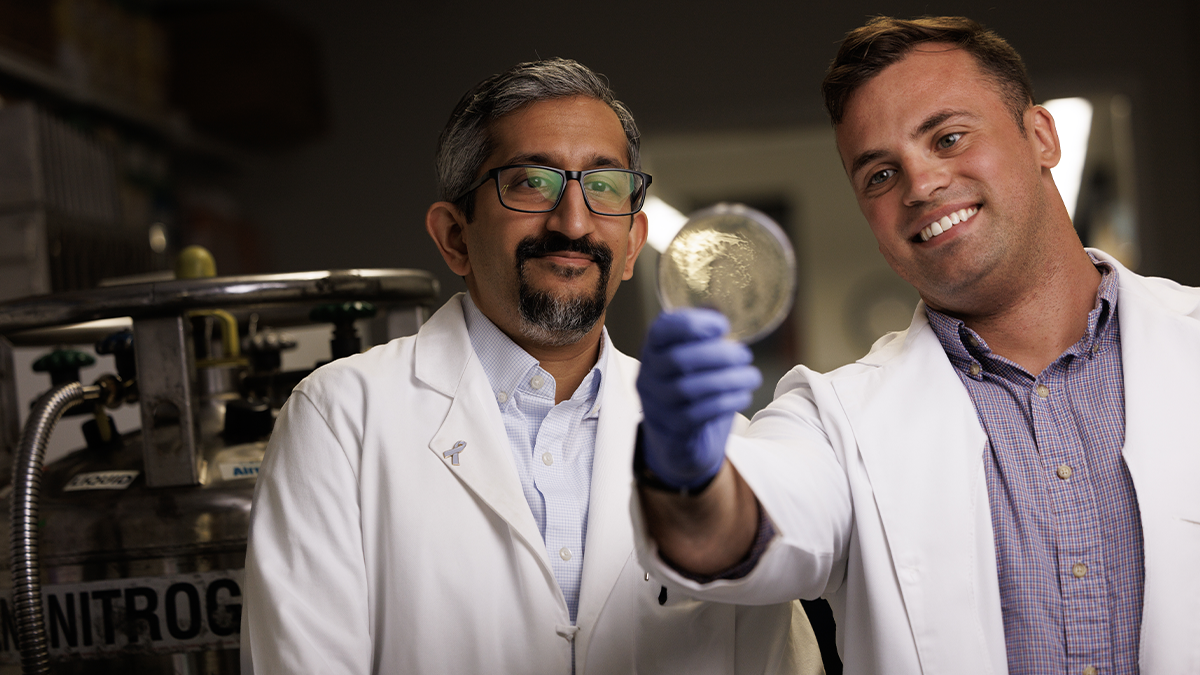
Duke researchers Sundarshan Rajagopal, MD, PhD, and MD-PhD student Preston Anderson have worked together to realize how G protein-coupled receptors signal through liquid-like protein clusters that could have implications for drug delivery going forward. The findings are outlined in a paper published in the journal Nature.

Building community through movement
Medical student Daniel Yang is building community through movement as president of Medicine in Motion. Through events that bring together students across Duke’s health professions programs, he is creating space for connection, wellness, and shared purpose.