

Duke Faculty Make Most Highly Cited List
Twenty-three Duke faculty, many with appointments in the School of Medicine, are ranked among the annual Web of Science list of the world's most highly cited scientists.

How Nerve Stimulation Could Ease Inflammatory Bowel Disease
Mouse study reveals vagus nerve stimulation eases colitis symptoms by regulating inflammation-triggering SUMOylation, a cellular process that shapes immune response.

Centennial Oral Histories: Rob Califf
Robert Califf, MD, commissioner of the Food and Drug Administration, is a Duke alumnus, renowned cardiologist, and founding director of the Duke Clinical Research Institute. In this Duke Centennial interview, he discusses his life, his mentors, and the emergence of data-driven research.

Making Surgery Work Where It's Needed Most
In Sudan, a remote hospital is managing to provide thousands of surgeries for civilians. New research shows the value its resilience is bringing to the war-torn region.
Mary E. Klotman's Friday Message and Updates
Dean Mary Klotman, MD, shares updates on significant research achievements, prestigious awards, and upcoming events. She also takes a moment to recognize National Native American Heritage Month and honor our veterans.

Silberberg Named Faculty Director of New Center for Community Engagement
In this new role, Mina Silberberg, PhD, a professor in the Duke Department of Family Medicine and Community Health, will facilitate greater coordination of community-engaged education and research across the university.

One Way Your Brain Beats AI: Learning Motor Tasks
Research from Duke Science and Technology scholar Nuo Li, PhD, used a novel technique for tracking learning to reveal that the brain’s storage of certain memories is more complex and stable than previously thought.

The Problem with Black Resiliency
A study from Keisha Bentley-Edwards, PhD, links the constant demand for Black women and girls to be resilient to lasting adverse effects on health.

Bystanders More Likely to Perform CPR with Instructions from 911 Operators
Women are less likely to receive CPR from a bystander than men when stricken with a cardiac arrest outside of a hospital, but Duke Health researchers found that this disparity was eliminated when 911 operators guided an emergency caller through CPR steps, helping ease apprehensions about administering chest compressions to women.
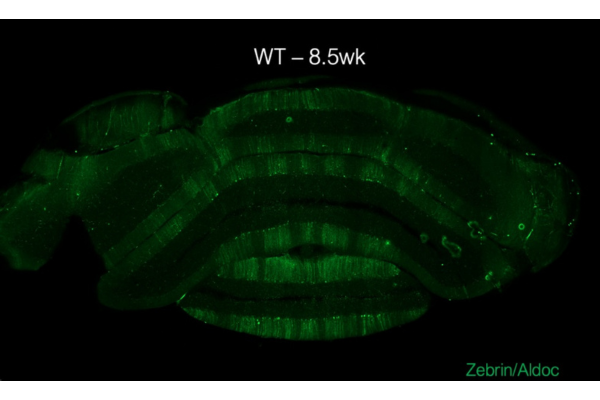
Striped Gene Expression Pattern Provides Clues for Neurodegenerative Movement Disorders
Spinocerebellar ataxias are a group of neurodegenerative disorders that impact muscle coordination and control. Due to the complexity of the brain, these disorders have been poorly understood. Duke researchers are now using single-cell RNA sequencing technologies to gain a deeper understanding of how these diseases develop, which may lead to better treatment options for patients.