

Healthcare entrepreneur Tom Insel visits Duke, discusses ‘tech-enabled care’
Digital tools have the power to transform healthcare by connecting clinicians more closely to the daily lives of their patients, leading to better care, diagnosis, and ultimately, improved health outcomes.
The approach of ‘tech-enabled care’ is becoming more common as an increasing number of physicians incorporate Smartphone apps, monitoring devices, or social networking into their care plans, with some even starting companies to manufacture or use their own innovative products.
Neurology and Men's Health, Part 1: Epilepsy
Throughout history, men have had, and continue to have, enormous benefits compared to women in the field of medicine. Women were literally not allowed to practice medicine for centuries, and continue to face discrimination as providers and patients.
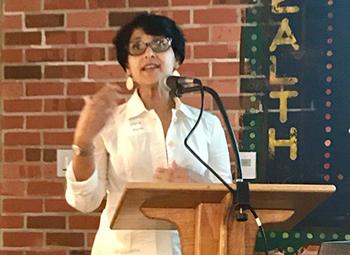
CHDI launch event highlights research to "end disease where it begins"
The Children’s Health & Discovery Initiative (CHDI) held a launch event on Thursday, May 31, 2018 at the Chesterfield Building in downtown Durham to highlight research into the prenatal and early life factors that influence lifelong health and well-being.

Treatment Advances Give Hope to People with Brain Metastases
Lisa VanTress didn’t know why she couldn’t regain her land legs after a 13-hour fishing trip in the summer of 2016. When the dizziness caused her to stumble and fall, she went to the emergency room. She soon learned she had lung cancer that had spread to her brain.
Clinical Research Update - June 2018
OnCore Community News
iRIS Community News
Research Community News
DOCR News
Did You Know?
Training Opportunities
Clinical Research Employee Highlights
Partner Resources
OnCore Community News

Theodore N. Pappas, Duke’s ‘surgical historian,’ investigates key historical moments including RFK assassination
By day, Theodore “Ted” N. Pappas, MD, is vice dean for medical affairs for Duke University’s School of Medicine and distinguished professor of surgical innovation and chief of the Division of Advanced Oncologic and GI Surgery in the Department of Surgery. He specializes in gastrointestinal surgery, peptic ulcer surgery, and cancer of the esophagus, stomach, pancreas and bile duct.
By night – or in his very limited free time – however, Pappas is a surgical historian.
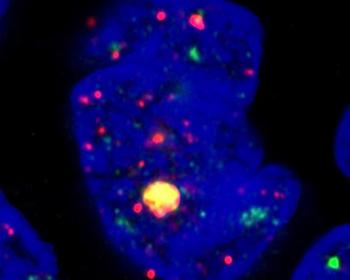
Newly Identified Genetic Markers Classify Previously Undetermined GBM Tumors
Most glioblastoma tumors are marked by one or two broad mutation patterns, but about 20 percent of the lethal brain tumors have biomarkers that cannot be identified.
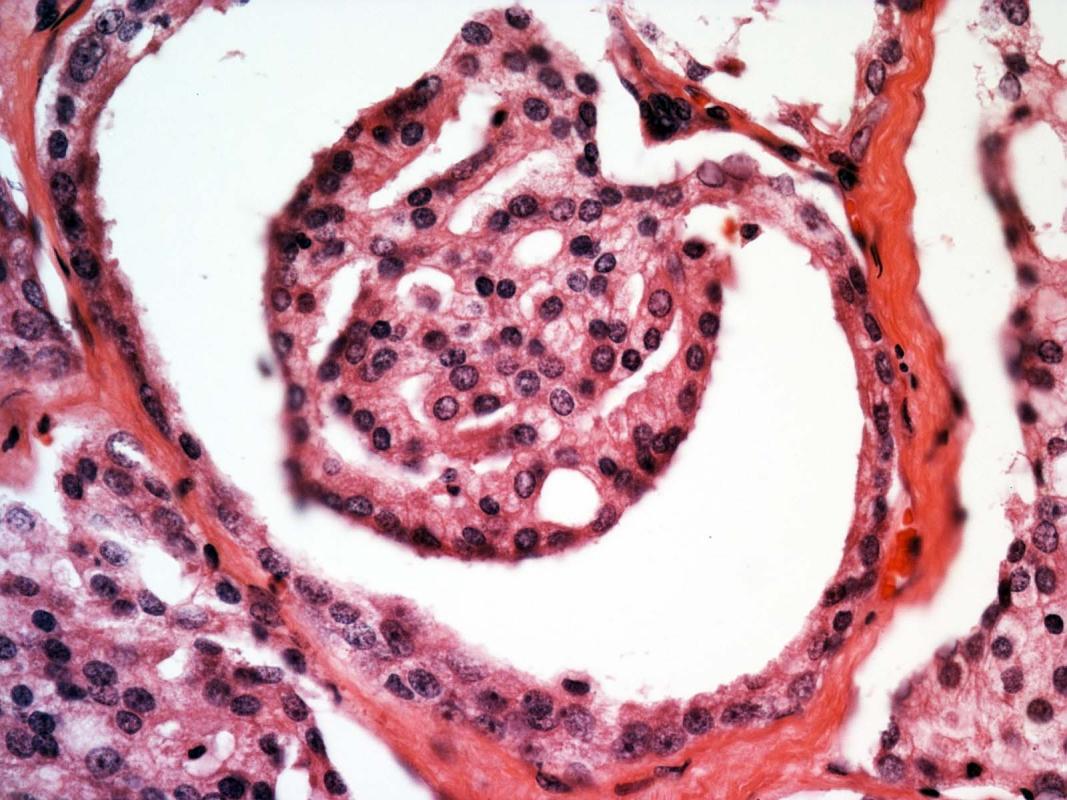
Researchers Identify Promising New Drug Target for Lethal Prostate Cancer
Targeting a protein genome-binding process that directs expression of diverse cancerous genes could be an important new therapy approach for stopping the progression of late-stage prostate cancer, according to Duke researchers.
The study, published Tuesday, May 29, 2018 in the journal Proceedings of the National Academy for Science, examined the role of a cancer-relevant protein called androgen receptor-V7 (AR-V7) in prostate cancer cell cultures and patient tissues.
Stages of Complex Grant Development (Part 2)
In the last post, I identified five stages for successful complex grant development.
The first stage, Idea Generation, is often triggered by a faculty member seeing a funding opportunity. A potential Principal Investigator may think about the opportunity, then talk informally with a few potential collaborators to gauge interest and gather additional ideas. Sufficient interest and commitment will lead to full team meetings for brainstorming.

Duke’s Samad named Chairwoman of Dept. of Medicine at Aga Khan University in Pakistan
On July 1, Zainab Samad, MBBS, MHS, associate professor of Medicine at Duke, will become the first chairwoman of the Department of Medicine at Aga Khan University in Pakistan, her alma mater. This is quite an accomplishment for anyone, but in particular for a woman from a highly conservative Pashtun family in northern Pakistan. There, young girls traditionally were not allowed to attend school in accordance with the practice of purdah, the global religious idea that women should be physically segregated from men.