
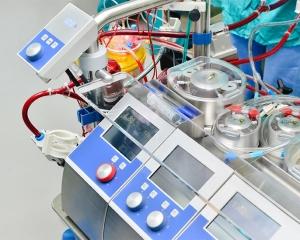
Blood platelets trigger events that cause organ damage after heart surgery
Even as surgeons have become more highly skilled at performing lifesaving heart surgeries, the overall outcome of the procedure continues to be threatened by complications such as acute kidney or lung injury and neuro-cognitive decline.
For example, measurable damage to the kidney is seen in about 54 percent of patients after coronary artery bypass grafting surgery.
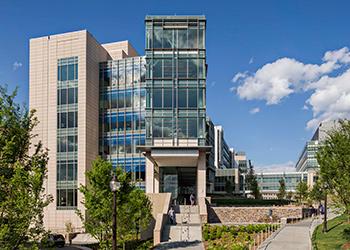
Duke University School of Medicine Ranked Among Top Medical Schools in Nation, World
U.S. News & World Report assessed 120 medical schools and once again ranked the Duke University School of Medicine among the best in the nation, placing it 12th. The medical school’s Physical Therapy program ranked No. 7 among 244 programs evaluated. Seven of the School of Medicine’s clinical departments ranked in the top 10 among specialties:

Smart glasses provide critical information about the impact of daily environments on health, according to Duke researchers
Consumer-friendly “smart glasses” that are currently being developed by major technology companies will be an important new element of digital health research, argue three Duke scientists in a commentary piece published March 12 in npj Digital Medicine.
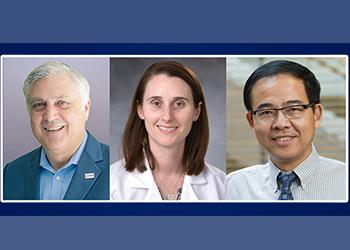
What we've learned about coronavirus
Three Duke infectious disease experts discuss the origins and spread of COVID-19 and the global and U.S. response.
OBGE Health and Wellness Coaching Initiative – SoM PhD Students
TO: School of Medicine PhD Students
FROM: Beth Sullivan, PhD, Associate Dean for Research Training & Jessica Rowland, Director, Office of Biomedical Graduate Education (OBGE)

The Case of the Unknown Protein
After a trip to the grocery store, you may find yourself with seemingly unlimited options on what to eat, but ten days later, you might be looking at bare shelves and trying to decide between ramen noodles or the slightly grayish looking leftovers from who knows when.
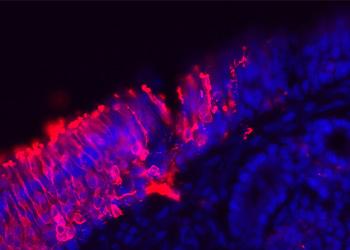
Neuron-making in nose could help people with smell loss; other neurologic disorders
Is it possible for an adult brain to make new nerve cells? Scientists have debated this question for decades, with many concluding that neuron-making stops after childhood, or around the age of 13.
However, a research team recently rocked the debate again after finding a thriving neuron ‘nursery’ in a section of adult human nose tissue, the olfactory neuroepithelium. Neurons are the specialized cells in the brain designed to transmit information to other nerve cells and muscles. The olfactory area of the nose houses the neural receptors that give us the ability to smell.
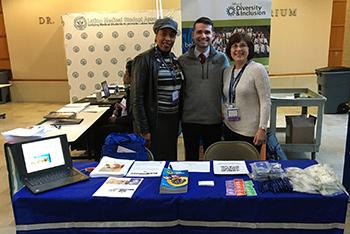
Office of Diversity and Inclusion Attends 15th Annual Latino Medical Student Association (LMSA) National Conference
This past weekend, nearly 50 schools and more than 300 students from across the country gathered in St. Louis, MO, for the 15th Annual Latino Medical Student Association (LMSA) National Conference under the theme, "Unidos for Medicina y Más: A Multidisciplinary Approach to Latinx Health." Dr. Margarita Bidegain, neonatologist and Duke Professor of Pediatrics; Dr.
Duke Clinical Research Update March 4 2020
Research Community News
iRIS/OnCore Updates
DOCR News
Recruitment Innovation Corner
Did You Know?
Training Opportunities
Clinical Research Employee Highlights
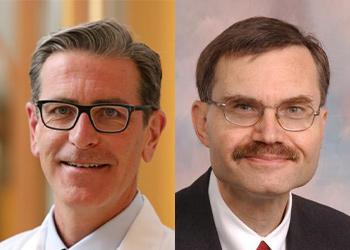
Sampson steps down as chair of Neurosurgery; Named PDC president, Friedman named interim chair
John H. Sampson, MD, the Robert H., M.D. and Gloria Wilkins Professor of Neurosurgery and chair of the Department of Neurosurgery, stepped down from his position as chair on March 5, 2020, to become president of the Duke Private Diagnostic Clinic (PDC) in a full-time capacity. He has served as interim president of the PDC since 2018 while continuing to serve as department chair. Allan Friedman, MD, will serve as interim chair of the Department of Neurosurgery.