
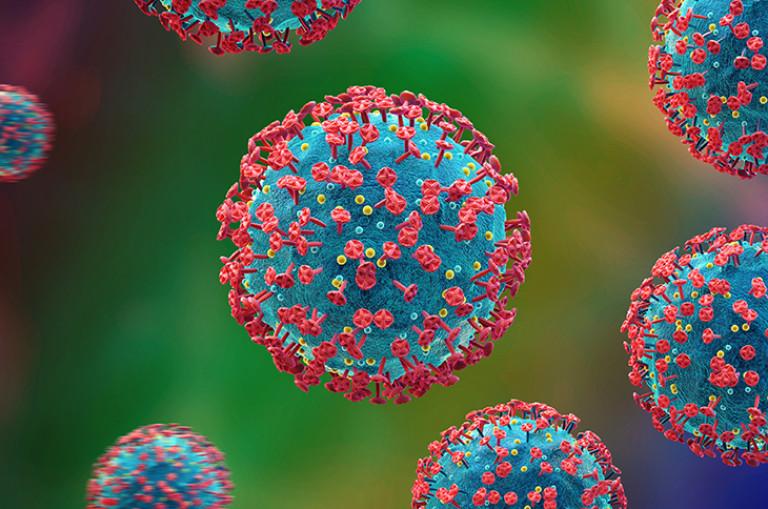
Study Identifies How Stealthy HIV Evades Drugs and Immunity
An immune response that likely evolved to help fight infections appears to be the mechanism that drives human immunodeficiency virus (HIV) into a latent state, lurking in cells only to erupt anew, researchers at Duke Health report.

ALS Community Joins Together to Endow Duke’s First ALS Professorship
Led by three families who mobilized their personal networks and ultimately generated support from more than 500 donors, the Duke ALS community raised $3.5 million to establish the Stewart, Hughes, and Wendt Endowed Professorship in the Department of Neurology.

Determining Genetic Causes for Sudden Cardiac Death
People commonly associate heart attacks with clogged arteries, fatty diets, high cholesterol, and plaque buildup in the heart. And while all those things can cause sudden cardiac death, they are not the only culprit; gene mutations can also be to blame.
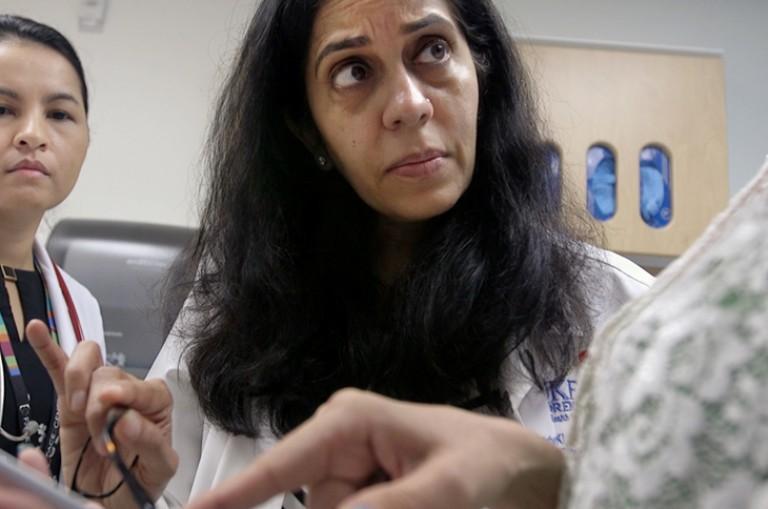
Duke Experts Participate in First Use of Fetal Therapy for Pompe Disease
Experts at Duke Health were among a multi-national team involved in treating a fetus for infantile-onset Pompe disease using an enzyme replacement therapy – a first in the world.

Protected From a Form of Cell Death, Women are More Resilient to Kidney Disease
A study led by Duke Health researchers provides some insights: Females, it turns out, have an advantage at the molecular level that protects them from a form of cell death that occurs in injured kidneys. This protection could be exploited as a potential therapeutic.

Mysterious Outbreak of Bone-eating TB Resembled an Ancestral Form
Driving force behind strange NC outbreak solved by a Duke collaboration

Study Finds Patient’s Race Affects Ovarian Cancer Care
Non-Hispanic Black patients are less likely to receive guideline-appropriate treatment for ovarian cancer than non-Hispanic White patients, significantly affecting their treatment quality and survival chances.

Modeling a Pandemic in a Tube
New tool provides a framework to identify human genetic determinants of infectious disease outcomes.

The Kids Are Not Alright: NC-PAL expands access to pediatric mental health services
NC-PAL is a free provider-to-provider consultation line and education program available to all clinicians across the state for questions about behavioral health or psychiatric medication management for their pediatric and perinatal patients. Nicole Heilbron and Gary Maslow are leads of the program, part of the statewide effort to address the youth mental health crisis.

Closing the Gap in Veteran Suicide Research
Operation Deep Dive is a partnership between Duke School of Medicine and American Warrior Project to examine the factors and causes of suicide among veterans and former service members.