

North Carolina Department of Health and Human Services Names Charlene Wong, MD, MSHP, Assistant Secretary for Children and Families
The North Carolina Department of Health and Human Services announced the launch of the Division of Child and Family Well-Being to help achieve its vision of children who are healthy and who thrive in safe, stable and nurturing families, schools and communities.

Duke-led Research Teams Receive Norins Awards to Explore the Germ Hypothesis of Alzheimer’s Disease
Two Duke-led research projects exploring the role that infections or microbes might play in Alzheimer’s disease have received $50,000 Duke/UNC Alzheimer’s Disease Research Center Norins Pilot Award
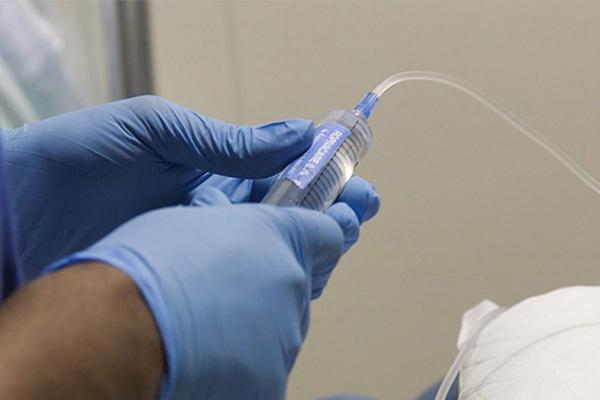
No Link Between Cognitive Changes, Alzheimer’s Markers After Major Surgery
Cognitive changes following non-neurologic and non-cardiac surgery were not associated with changes in Alzheimer’s disease-related biomarkers in older patients, according to a study led by a team at Duke University School of Medicine.

Omicron Antibodies Persist 6 Months after Moderna Vaccine Boost But Are 6 Times Lower
A booster dose of Moderna’s COVID-19 vaccine showed signs of waning antibody levels against the Omicron variant after six months, but the antibodies still remained effective against the variant in laboratory tests, according to a Jan. 26 study in the New England Journal of Medicine.

Vigilance Needed for COVID to Move from Pandemic to Endemic
COVID-19 may soon evolve from a chaotic and unpredictable pandemic to a more manageable endemic, but will remain dangerous and require people to remain vigilant, safe and responsible.
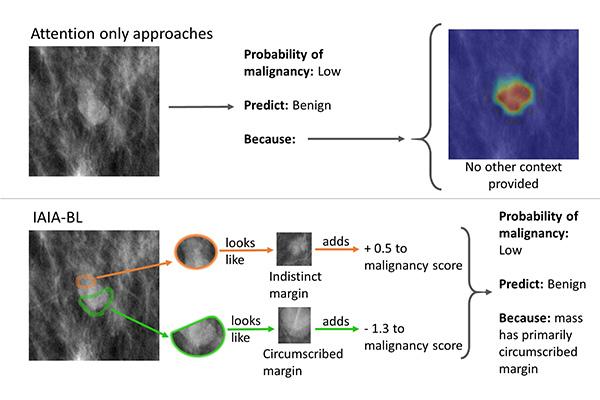
The First AI Breast Cancer Sleuth That Shows Its Work
Computer engineers and radiologists at Duke University have developed an artificial intelligence platform to analyze potentially cancerous lesions in mammography scans to determine if a patient should receive an invasive biopsy, and it shows physicians exactly how it came to its conclusions.
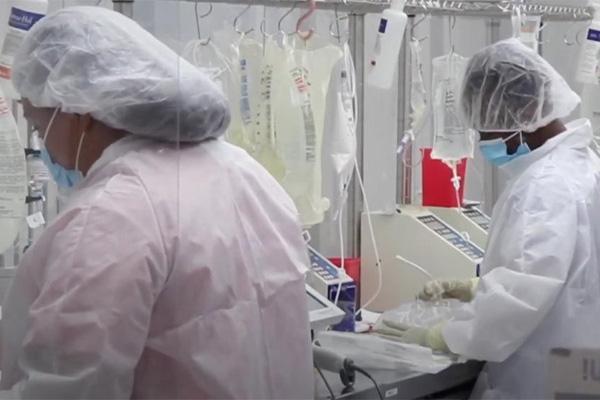
Duke Team Provides Novel COVID Treatment at Home
A new infusion being offered by Duke HomeCare & Hospice. Certain patients who test positive for COVID-19 are eligible for an infusion designed to decrease the risk of transmission, stimulate a stronger immune response, decrease symptoms and make it less likely a recovery in the hospital will be necessary.

Syed named Director of Primary Care Leadership Track Program
Fatima Syed, MD, assistant professor of medicine (General Internal Medicine), has been selected as the new Director of the Primary Care Leadership Track (PCLT) program in the School of Medicine. Syed has served as Associate Director since 2020.
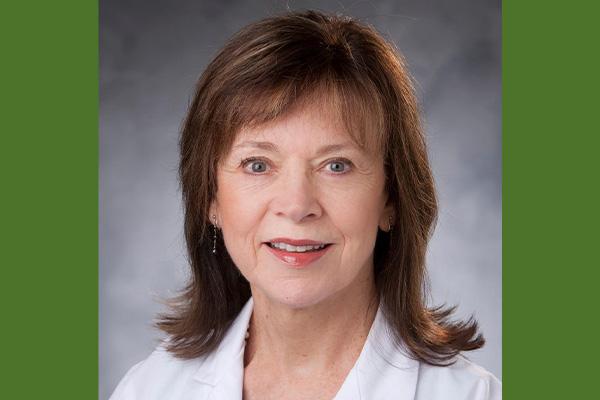
Janice M. Massey, MD Awarded the 2021 Lifetime Achievement Award by AANEM
Janice Massey, MD, Professor of Neurology and Senior Vice Chair of the Department of Neurology has been awarded the Lifetime Achievement Award by The American Association of Neuromuscular & Electrodiagnostic Medicine, (AANEM) in recognition of her decades of service to patient care and the field of neurology.
Responding to the Omicron Variant
Provost Kornbluth and Dean Klotman discuss the biology of omicron and how Duke is adapting its policies.