

School of Medicine Establishes Onyekwere E. Akwari Endowed Professorship; Lisa McElroy Named Inaugural Recipient
Mary E. Klotman, MD, dean of the Duke University School of Medicine, announced today the creation of the Onyekwere E. Akwari, MD, Endowed Professorship, and named Lisa McElroy, MD, MS, assistant professor of surgery and population health sciences, the inaugural recipient of this new professorship.

Study Finds No Benefit to Taking Fluticasone Furoate for COVID-19 Symptoms
A study led by the Duke Clinical Research Institute (DCRI) in partnership with Vanderbilt University found no symptomatic or clinical benefit to taking fluticasone furoate for the treatment of mild-to-moderate COVID-19 symptoms.

Pandemic Amplified Existing Youth Mental Health Crisis
Media Brief: the pandemic has only amplified an already alarming mental health crisis among the nation’s young people – but there are ways for parents and communities to help.

Duke-UNC Project Wins 3rd Place in American Heart Association Heart Failure Data Challenge
A team from Duke University School of Medicine and the University of North Carolina School of Medicine was awarded third place by the American Heart Association for a project addressing the elements of structural racism that lead to poor heart health.
Monoclonal Antibody Treatment Reduced Deaths in Hospitalized COVID Patients
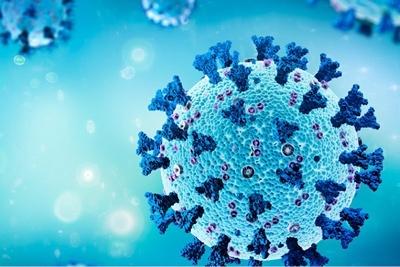
A monoclonal antibody treatment taken by patients hospitalized with COVID-19 did not improve recovery time but did reduce deaths, according to a study published July 8 in The Lancet Respiratory Medicine.

Meet Gerald Grant, MD, Chair of the Duke Department of Neurosurgery
A rich background -- which included time in the US Air Force and Iraq and as an endowed professor, associated dean, and chief of pediatric neurosurgery at Stanford University-- contributed to the making of Grant into an outstanding leader poised to take Duke Neurosurgery to new and exciting directions.

Real-time Imaging Helps Women Avoid Repeat Surgery After Lumpectomy
A Duke University School of Medicine study shows the potential of new imaging technology to change the landscape of breast cancer surgery.

Barbara Sheline Starts a New Chapter After 32 Years at Duke
Barbara Sheline, MD, MPH, who has directed the Primary Care Leadership Track (PCLT) program in the Duke University School of Medicine since its establishment in 2011, retired on June 30, 2022.
Role Identified for Key Gene in Developmental Disability Syndrome
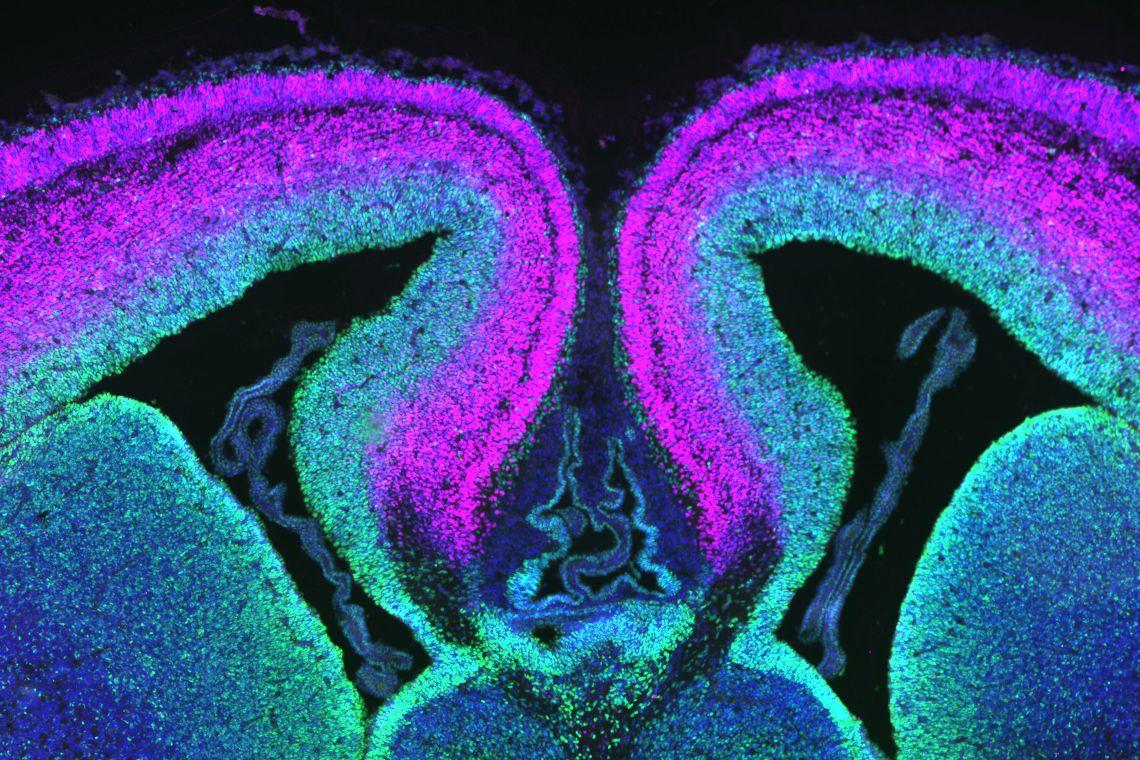
A single gene that was previously found to be the driving force in a rare syndrome linked to epilepsy, autism and developmental disability has been identified as a linchpin in the formation of healthy neurons.

Fish Oil Appears to Ease Post-Operative Delirium in Pre-Clinical Studies
Fish oil triglycerides appear to be effective at reducing instances of inflammation in the brain and preventing post-surgical delirium in mice and tissue engineered human models, according to Duke Health and Duke Biomedical Engineering researchers.