
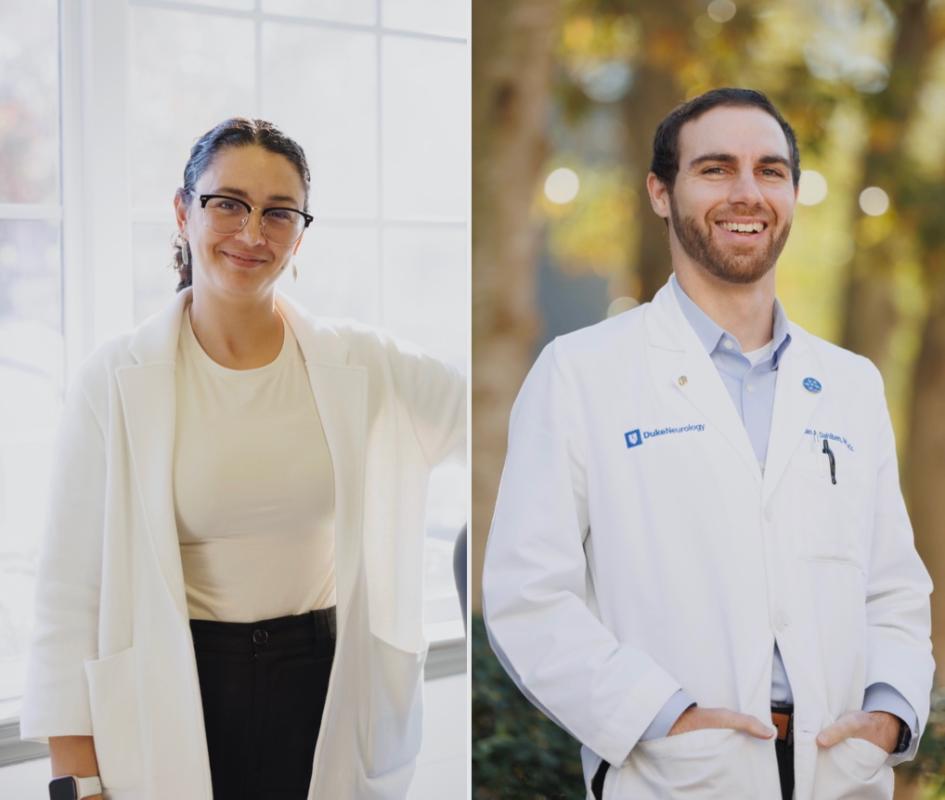
The specialists patients need: How the Schilsky Fellowship is expanding access to Parkinson's care
Talita d'Aguiar Rosa, MD, and Brian Dahlben, MD, are turning fellowship training into better care for people with Parkinson's disease. Both are graduates of the Dr. Randy M. Schilsky Movement Disorders Fellowship, a donor-supported program at Duke Health training the next generation of movement disorders specialists to help meet the urgent need for expert care and better treatment options.


Making more possible: A conversation with Stacy Waters
Giving back has been part of Duke’s story from the very beginning, helping turn bold ideas into meaningful impact. In this conversation, Dr. Mary E. Klotman sits down with Stacy Waters, vice president and chief philanthropy officer for Duke Health, to talk about what inspires people to give and what their support makes possible across Duke Health.

Therapy targeting the liver prevents brain damage from rare metabolic disease
What if the path to treating a rare condition that harms the brain goes through the liver?
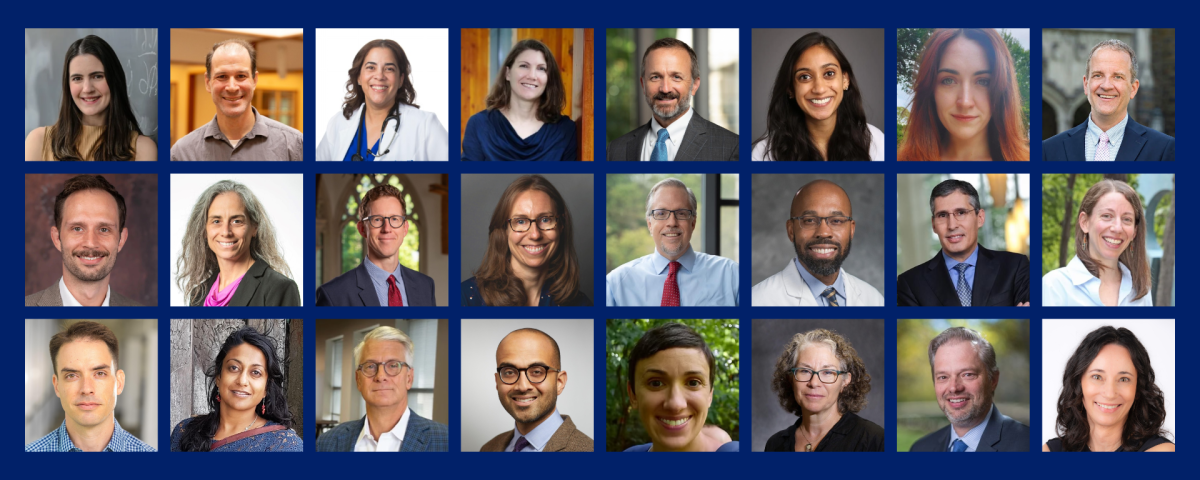
Meet the faculty fellows advancing constructive dialogue at Duke
Seven faculty in the school of medicine are fellows in this academic-year program that is part of the Provost’s Initiative on Pluralism, Free Inquiry and Belonging
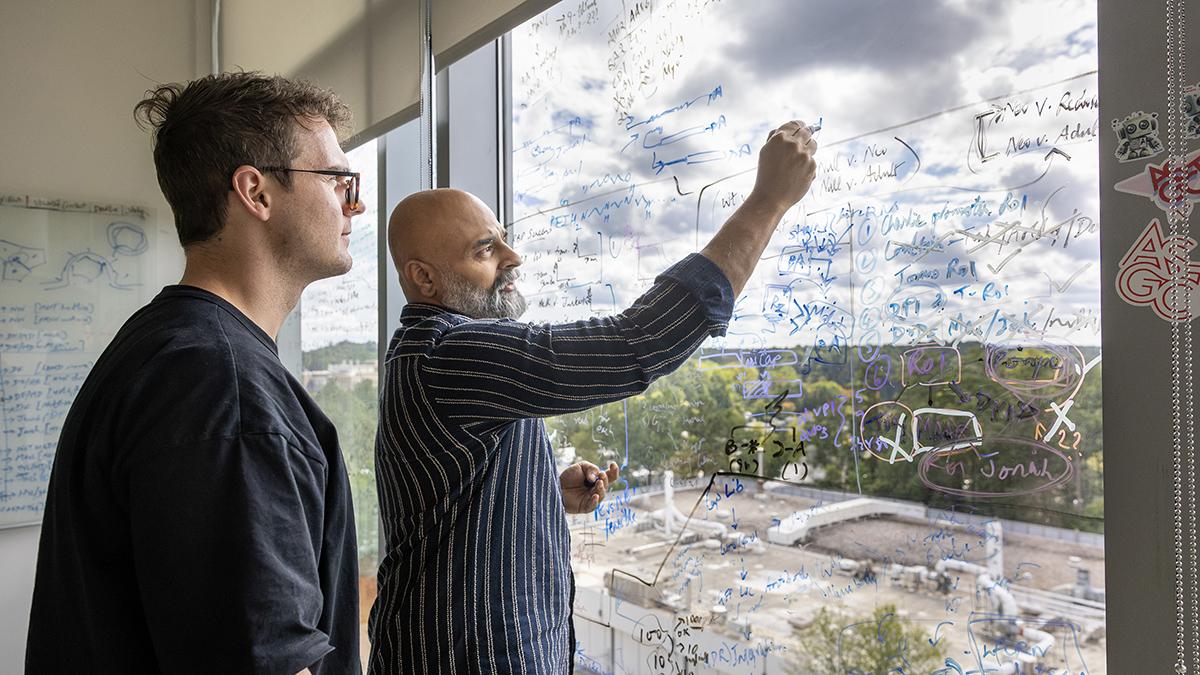
Invented at Duke: Delivering genetic cargo
Synthetic virology — using protein engineering and RNA biology to create platforms for gene therapy and gene editing — is an incredibly complex topic.
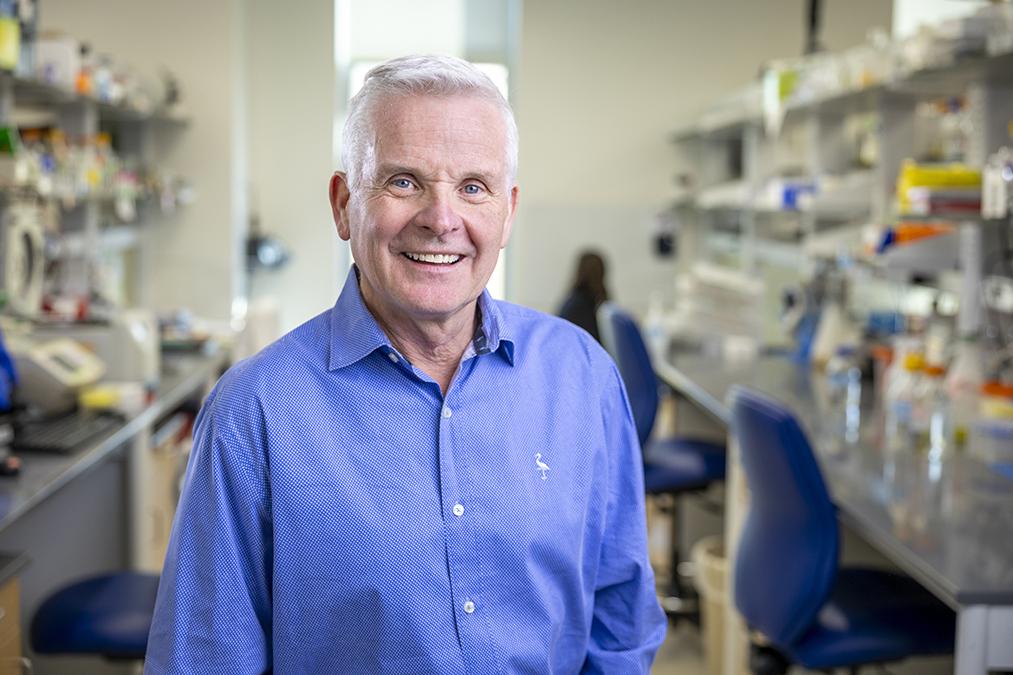
Invented at Duke: A new class of drugs
Described as a serial inventor, Duke University School of Medicine’s
Invented at Duke: Identifying autism earlier
Parents wondering if their child may be autistic face many barriers, from availability of practitioners to the challenging and complicated process of screening.
A new mission for a cancer therapy: Repairing muscle in Duchenne muscular dystrophy
Researchers at Duke University School of Medicine adapted a type of cancer immunotherapy to remove harmful inflammatory cells in muscles affected by Duchenne muscular dystrophy, helping the muscles repair themselves more effectively. In mice, the treatment reduced scarring and inflammation, improved muscle strength and breathing function, and could potentially be used alongside future gene therapies to improve outcomes for patients.

American Heart Association President Manesh Patel calls on cardiovascular community to solve science’s “last-mile problem”
Manesh Patel, MD, chief of the Division of Cardiology at Duke University School of Medicine and the new president of the American Heart Association (AHA), used his presidential address at the AHA’s Scientific Sessions on November 8 to argue that medicine’s next great challenge is not only making discoveries, but getting them to the people who need them.