
Researchers at Duke University School of Medicine will map the molecular signaling networks that help build the developing brain, laying the groundwork for new treatments for autism spectrum disorder, schizophrenia, bipolar disorder, and related neurodevelopmental disorders.
The effort is supported by a new $15.7 million grant from the National Institute of Mental Health (NIMH) to establish the Duke Conte Center for Basic Neuroscience on Kinase Signaling in Neurodevelopmental Disorders. The center brings together neuroscientists, computational biologists, engineers, and data scientists to study proteins known as kinases, which are molecular switches that help cells communicate by adding chemical tags to other proteins.
Kinase-controlled signaling pathways guide critical steps in brain development, including how brain cells form, mature, and connect into neural circuits.
Although autism, schizophrenia, bipolar disorder, and intellectual disability can appear very different clinically, growing genetic evidence suggests they may share disruptions in some of the same cellular signaling networks.
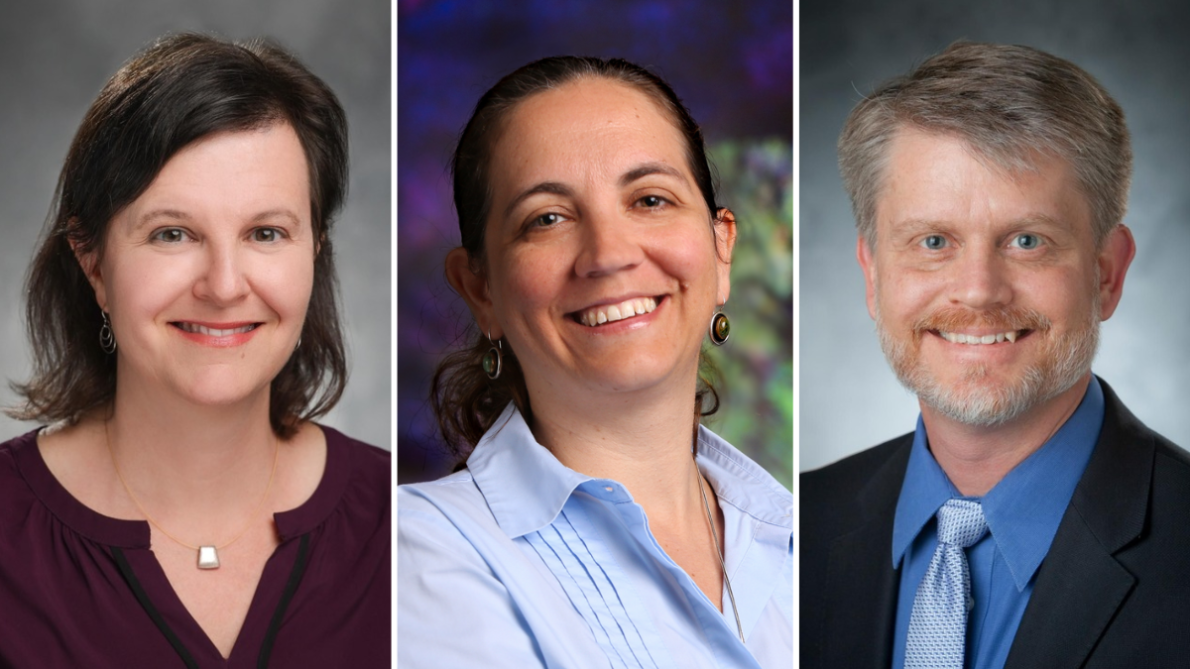
"We're looking for points of convergence," said contact principal investigator Scott Soderling, PhD. "Many different genetic risk factors may ultimately affect the same signaling pathways during brain development."
The center’s three research projects will examine how kinase signaling shapes the cerebral cortex at different stages of development. Co-principal investigator Debra Silver, PhD, will lead a team investigating signaling within radial glia, the cells that generate many of the neurons and support cells that form the developing cerebral cortex. Co-principal investigator Cagla Eroglu, PhD, will lead a group investigating how signaling pathways shape communication between neurons and astrocytes as brain circuits form. Soderling's team will focus on proteins that interpret those signals inside cells, including YWHAG, a protein linked to neurodevelopmental disorders that may help coordinate brain development across multiple cell types.
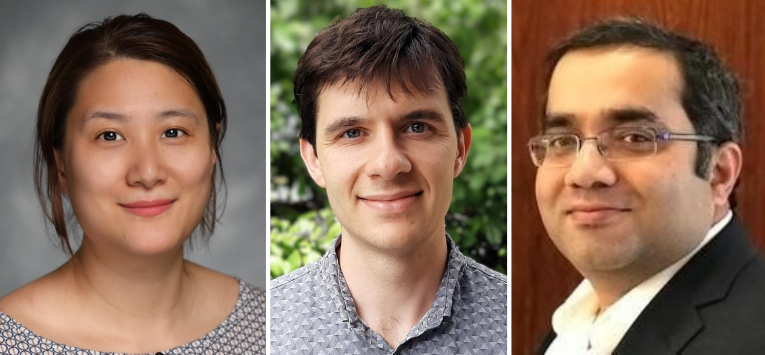
Researchers will use advanced molecular mapping techniques, brain organoids (lab-grown, 3D tissue models that mimic the developing brain), mouse models, and computational approaches to identify the proteins that work together in these pathways and determine how disruptions alter brain circuitry. These technologies will be spearheaded by core directors Rohit Singh, PhD, Dmitry Velmeshev, PhD, and Jichun Xie, PhD.
Over the next five years, researchers plan to create a detailed atlas of kinase-substrate interactions during brain development, identify shared signaling hubs across multiple neurodevelopmental disorders, and develop new chemical and genetic tools that will be shared with the broader research community.
“Through the synergistic expertise of our Center team, we will learn about fundamental control of brain development and neurodevelopmental disease,” Silver said.
Artificial intelligence will be a primary engine of the center's work, building on technologies already developed through Duke's Discovery AI initiative. These tools include KolossuS, a deep learning model co-developed between the Soderling lab and the Singh lab that predicts kinase-target relationships from protein sequence data.
The AI-generated predictions will be tested experimentally in mouse models and human cortical organoids, creating a cycle in which laboratory findings continually improve the computational models.
The NIMH Conte Centers program supports interdisciplinary teams tackling high-risk, high-impact neuroscience questions that could transform understanding and treatment of mental illness.