

Duke University School of Medicine is the vibrant home for the next generation of discovery. Our capacity for innovation stems from knitting together our existing strengths in fundamental basic science and deepening our growing translational capabilities, our integration with Duke’s national recognized clinical enterprise, and our unique scale and depth in clinical research. The combined efforts of the school’s basic and clinical faculty members in 26 departments, and numerous centers, institutes and initiatives make Duke one of the largest biomedical research enterprises in the country with $1 billlion in sponsored research expenditures annually.
Duke Research Saves Lives
Duke’s relentless pursuit of scientific innovation transforms groundbreaking discoveries into life-changing patient care and healthier communities. Explore how Duke researchers are changing people’s lives across North Carolina and around the world.
Research News
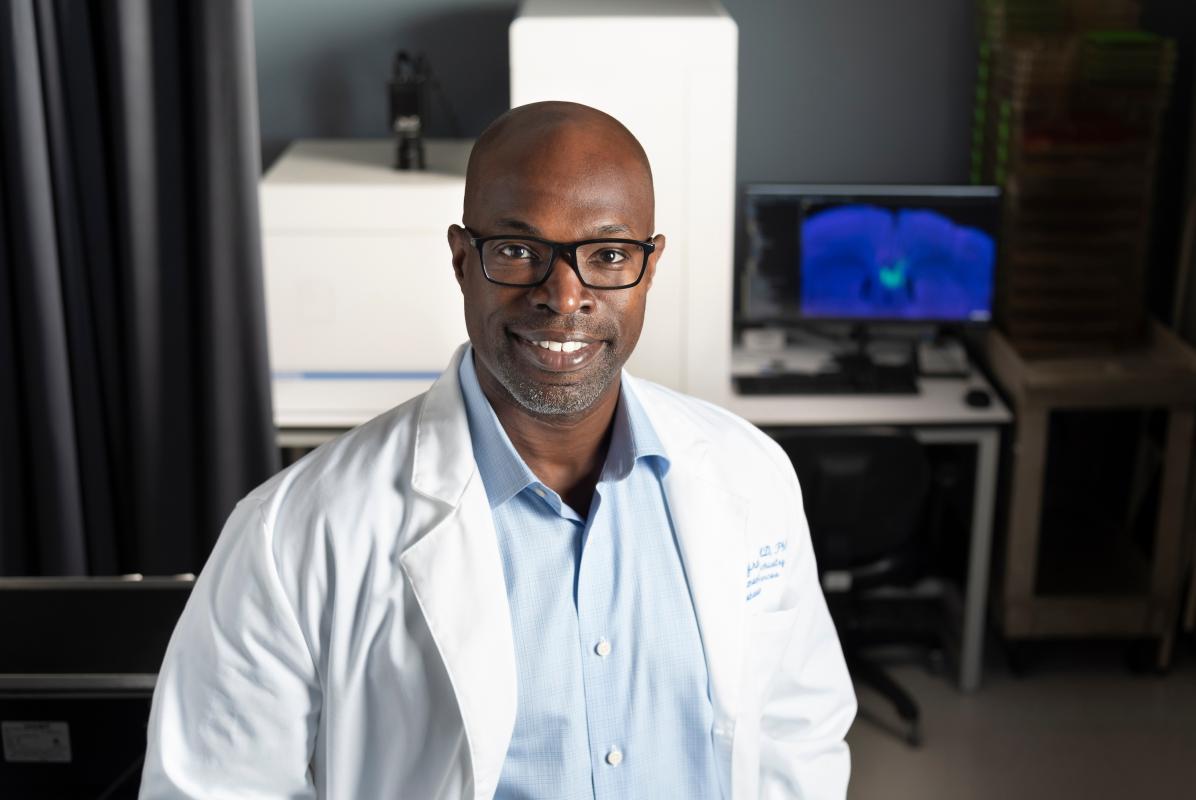
Broken or disrupted circuits in the brain contribute to many neurological disorders.



Nobel Laureates
Duke University School of Medicine is proud to claim two Nobel Laureates among its faculty. Robert Lefkowitz, M.D., professor of medicine and a Howard Hughes Medical Institute Investigator, was recognized in 2012 for his work on a class of cell surface receptors that have become the target of prescription drugs, including antihistamines, ulcer drugs and beta blockers to relieve hypertension, angina and coronary diseases. Paul Modrich, Ph.D., professor of biochemistry and a Howard Hughes Medical Institute Investigator, was recognized in 2015 for mapping, at a molecular level, how cells repair damaged DNA and safeguard the genetic information.