
Second Year Student Blog: Pamela Paz
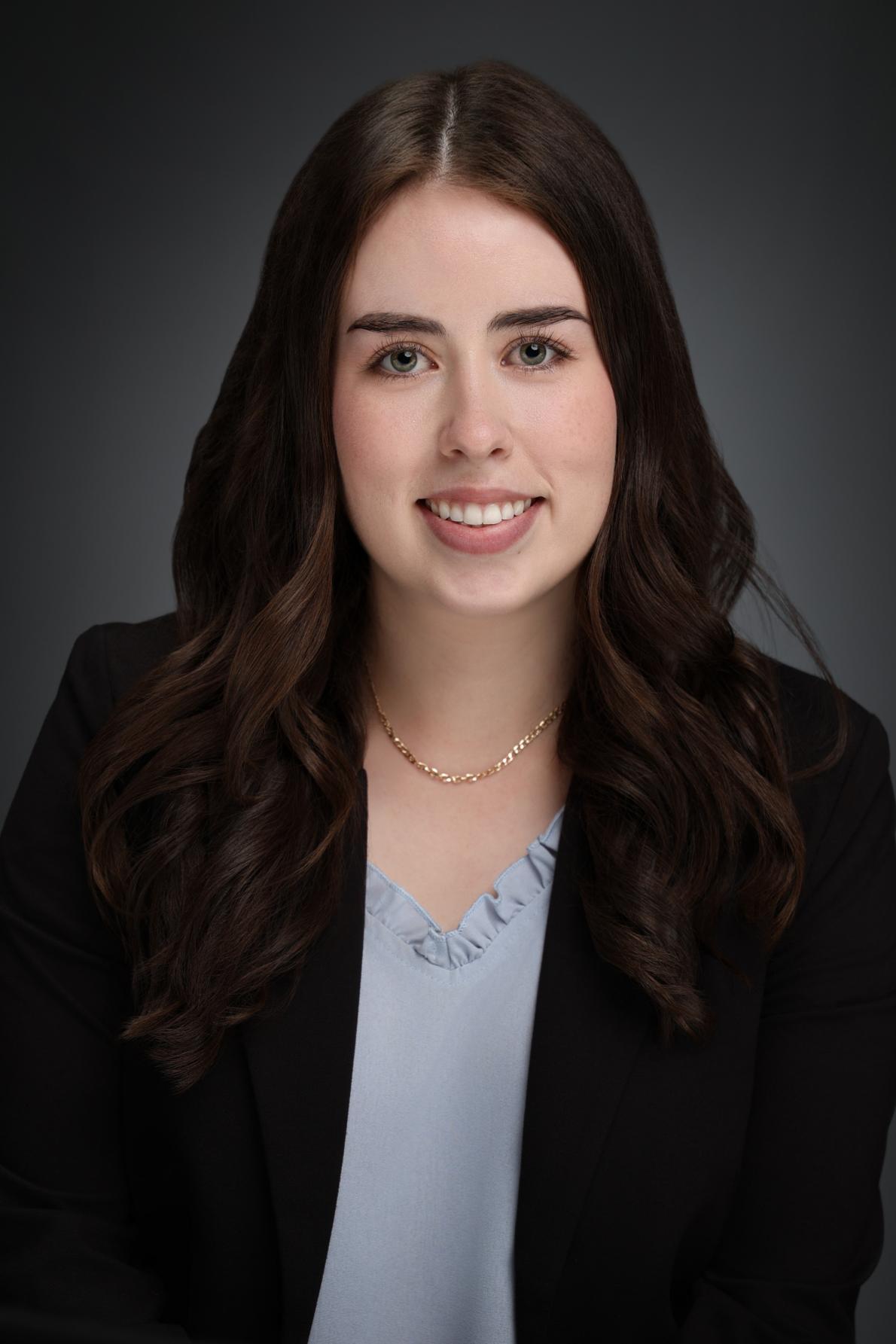
When I started PA school, I hoped to become the kind of clinician who could do more than diagnose and treat disease. I wanted to build relationships, serve communities, and make a meaningful difference in people's lives. As I complete my final rotation, I realize that this experience in rural eastern North Carolina has been the clearest example of that vision brought to life. What began as my final clinical rotation has evolved into an exploration of agricultural health, food access, community outreach, and research inspired directly by the patients and communities I serve.
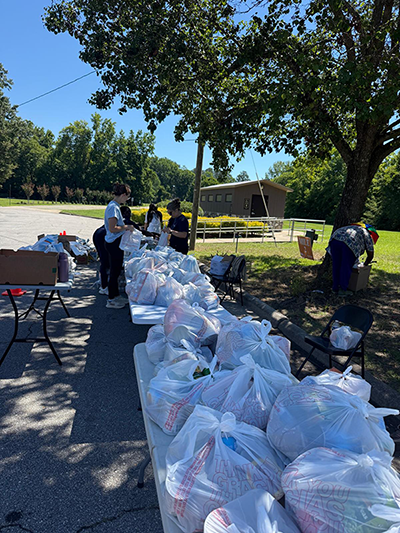
When I arrived at Roanoke Chowan Community Health Center in Ahoskie, North Carolina, I expected to learn a great deal about family medicine and rheumatology. I certainly did! What I did not expect was that some of the most impactful lessons of my PA education would begin after clinic hours, on dusty roads leading to immigrant farmworker camps across eastern North Carolina.
Meeting Patients Where They Are
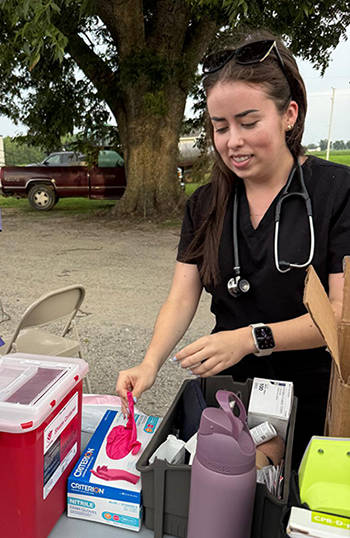
Under the mentorship of Dr. Geniene Jones, I became involved in outreach efforts serving the area’s immigrant farmworkers. Several evenings were spent traveling to their camps, bringing healthcare directly to individuals who often face significant barriers to accessing medical services.
I saw firsthand how transportation challenges, language barriers, demanding work schedules, and geographic isolation can affect access to healthcare. As a native Spanish speaker, one of the most meaningful aspects of this experience was the opportunity to communicate directly with patients in their first language, allowing them to more precisely and comfortably express themselves. Those conversations became far more than medical encounters. I learned about the sacrifices many workers make to support their families, and witnessed incredible resilience, generosity, and strength.
Understanding Agricultural Health
The more time I spent serving these immigrant farmworkers, the more I began to appreciate the unique health challenges associated with agricultural labor.
Agriculture is central to life in eastern North Carolina, yet the health risks faced by farmworkers are often overlooked. Listening to patients describe their work environments helped me understand how closely occupation and health are connected. I found myself thinking beyond individual diagnoses and began considering the environmental and occupational factors that influence health long before a patient seeks medical care.
This experience showed me that improving health often requires more than clinical visits. Outreach, education, advocacy, and strong community partnerships all play an essential role in addressing the health needs of agricultural workers.
Food Access Is Healthcare
Another important lesson from this rotation came through community efforts focused on food access and food insecurity.
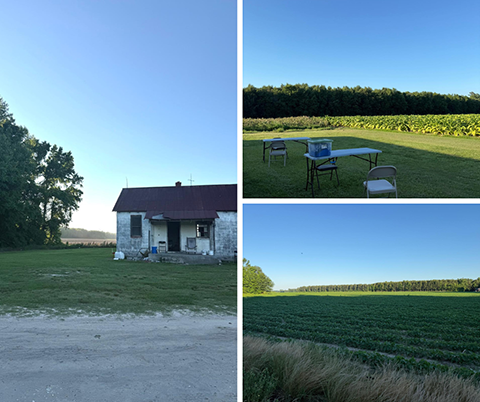
Through conversations with these immigrant farmworkers, local food banks, and community organizations, I gained a deeper appreciation for how closely food access and health are connected. Participating in outreach and food distribution efforts reinforced the idea that long before any medical appointment is imminent, there are other factors in play affecting their overall health.
I was inspired by the collaboration among healthcare providers, volunteers, food banks, and community organizations working toward the common goal of ensuring consistent nutrition. It was a powerful reminder that improving health often requires an entire community working together.
Connecting Dermatology and Community Health
One of the most rewarding discoveries of this rotation was seeing how naturally my interest in dermatology connects with the needs of the immigrant farmworker community I am serving.
As I spent more time caring for them, both in clinic and during outreach visits, I noticed recurring skin-related concerns associated with agricultural work. Many experience prolonged sun exposure, contact with pesticides and fertilizers, and other occupational hazards; yet they often have limited access to specialty dermatologic care.
As someone planning to pursue a career in dermatology, these observations sparked a deeper curiosity about occupational skin disease and the dermatologic challenges faced by agricultural workers. I began compiling and reviewing existing research on occupational skin conditions among farmworkers, focusing on issues such as contact dermatitis, chemical exposures, environmental irritants, and sun-related skin disease. What has made this work especially meaningful is that it emerged directly from caring for patients in the community. Rather than studying a topic for an upcoming exam, I am exploring questions inspired by the very people I am serving.
This experience has expanded my perspective on dermatology beyond diagnosis and treatment. It has highlighted the specialty's role in occupational health, prevention, and health equity, particularly for populations whose work places them at increased risk for skin disease.
One of the most meaningful outcomes of this work is the opportunity to help develop a sustainable, prevention-focused initiative for future outreach efforts—providing farmworkers with practical protective resources such as evidence-based barrier creams, long-sleeve sun-protective clothing, and educational materials—empowering them to have agency over their skin health both on and off the job.
A Full-Circle Ending
As I prepare to graduate from the Duke PA Program, what I will remember most is not a particular diagnosis or procedure. I will remember summer evenings spent visiting immigrant farmworker camps, conversations with workers who trusted me with their stories, community efforts to improve food access, and opportunities to better understand the challenges facing a population that helps sustain North Carolina's agricultural economy.
The opportunity to provide care for this population has shown me that healthcare is about building trust, recognizing and addressing barriers to care, and partnering with communities to improve health. More than any other experience during PA school, this rotation has demonstrated how clinical medicine, community outreach, research, and advocacy can come together to create meaningful change. It has been a powerful reminder of why I chose this profession and an unforgettable ending to my Duke PA journey.
Pamela Paz is a second-year student with the Duke Physician Assistant Program. Email pamela.paz@duke.edu with questions.
Editor’s note: Duke Physician Assistant Program students blog monthly. Blogs represent the opinion of the author, not the Duke Physician Assistant Program, the Department of Family Medicine and Community Health, or Duke University.