
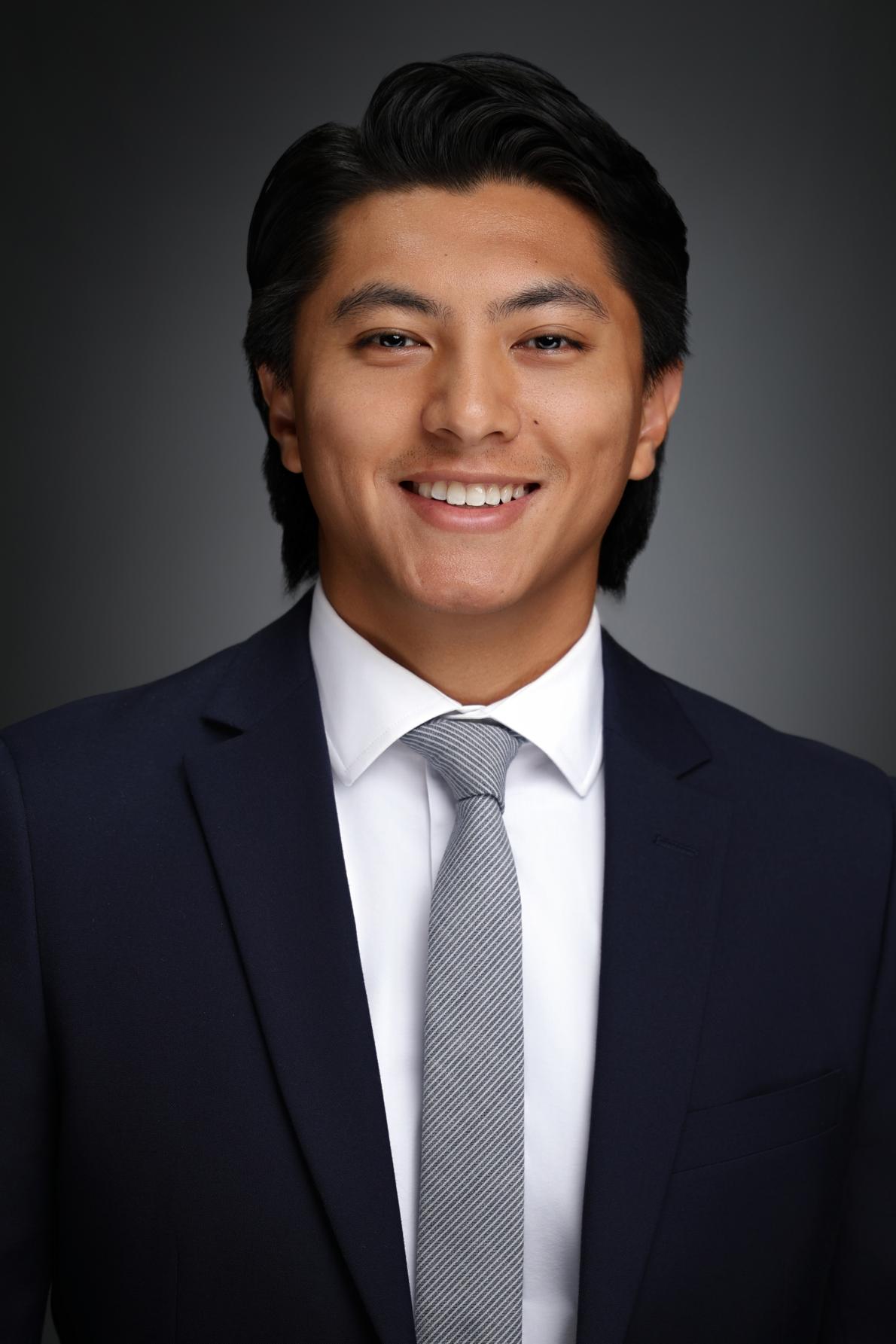
Second Year Student Blog: Brian Nguyen
Before my month-long orthopedic surgery rotation at the VA, admittedly, I carried certain preconceived notions of the VA, shaped by things I’d heard, veterans I’d briefly met, or stories of the military told by my family from Vietnam. From these pieces, I’d gather that veterans were hardened, calloused by their experiences, reluctant to seek outside help, and a distrust was built from their injuries, sacrifices, or years of service. I knew my observations were incomplete, but I didn’t fully grasp to what degree until I had the opportunity to care for them directly.
In that month, each morning, the halls were quiet, as gradually, staff and patients came to shuffle through. In clinic and the OR, I quickly learned the veterans I’d encountered couldn’t be reduced into some abstract image or story. Some were quiet and reserved, while others filled the room with humor and gratitude. Some spoke openly about their military service, while others preferred to talk about their families, jobs, or the pain bringing them in. Some joined the service looking for a career, a sense of belonging, or from a call to patriotism. These veterans were parents, spouses, colleagues, and friends, and service was a large portion of their lives, but not the entirety of who they were.
I’d been fortunate to be placed at the Asheville VA, one of the premier VA health centers in the country. Here, instead of the slow, impersonal, or inefficient system I’d imagined or heard of, I saw the careful orchestration of surgeons, PAs, nurses, and OR staff driven with focus and purpose. They carried an understated reverence in the way patients were cared for, recognizing these individuals' spent parts of their lives serving something larger than themselves. While orthopedic surgery has the imagery of dramatic brute force through hammers, drills, and saws, here, that wasn’t always the case. With a steady hand, attention to detail, and careful injection, someone can walk with less pain, regain strength, return to work or hobbies, lift a grandchild, or simply sleep through the night without excruciating pain. With a routine follow-up visit for osteoarthritis, an exam becomes a conversation, a check into the lives of these veterans, an opportunity for them to share meaningful moments from their family, from their lives, or simply a chance to be social and feel as though the world hasn’t forgotten about them. This care, the emotions it evokes, and the joy that it brought were all accomplished without ever lifting a hammer.
Over my time and conversations with these great patients, I began to clearly see the similarities between military service and service for others within medicine. Both require discipline, teamwork, humility, sacrifice, and commitment to others. Both ask you to show up when the work is difficult. Both depend on trust – in the person beside you, in the mission or task at hand, and trust that your actions matter, even when both fields of military service and medicine can be fraught with cynicism and futility. In the military, service may mean protecting others in moments of danger. In medicine, service often means meeting patients in moments of pain, fear, or vulnerability, and being beside them.
To quote one of my last patients, “Duty is what you do, honor is how you do it, and sacrifice is what you’re willing to pay”. I feel indebted to these veterans, not only for their service, but for allowing me to continue learning clinical medicine and, more importantly, about the human spirit from them.
*Disclaimer: I recognize that experiences with the U.S. Military and VA system are deeply personal and not universally positive. This reflection does not mean to overlook those complexities, but rather to share what I’ve personally observed and learned in my time caring for veterans.
Brian Nguyen is a second-year student with the Duke Physician Assistant Program. Email brian.nguyen@duke.edu with questions.
Editor’s note: Duke Physician Assistant Program students blog monthly. Blogs represent the opinion of the author, not the Duke Physician Assistant Program, the Department of Family Medicine and Community Health, or Duke University.