
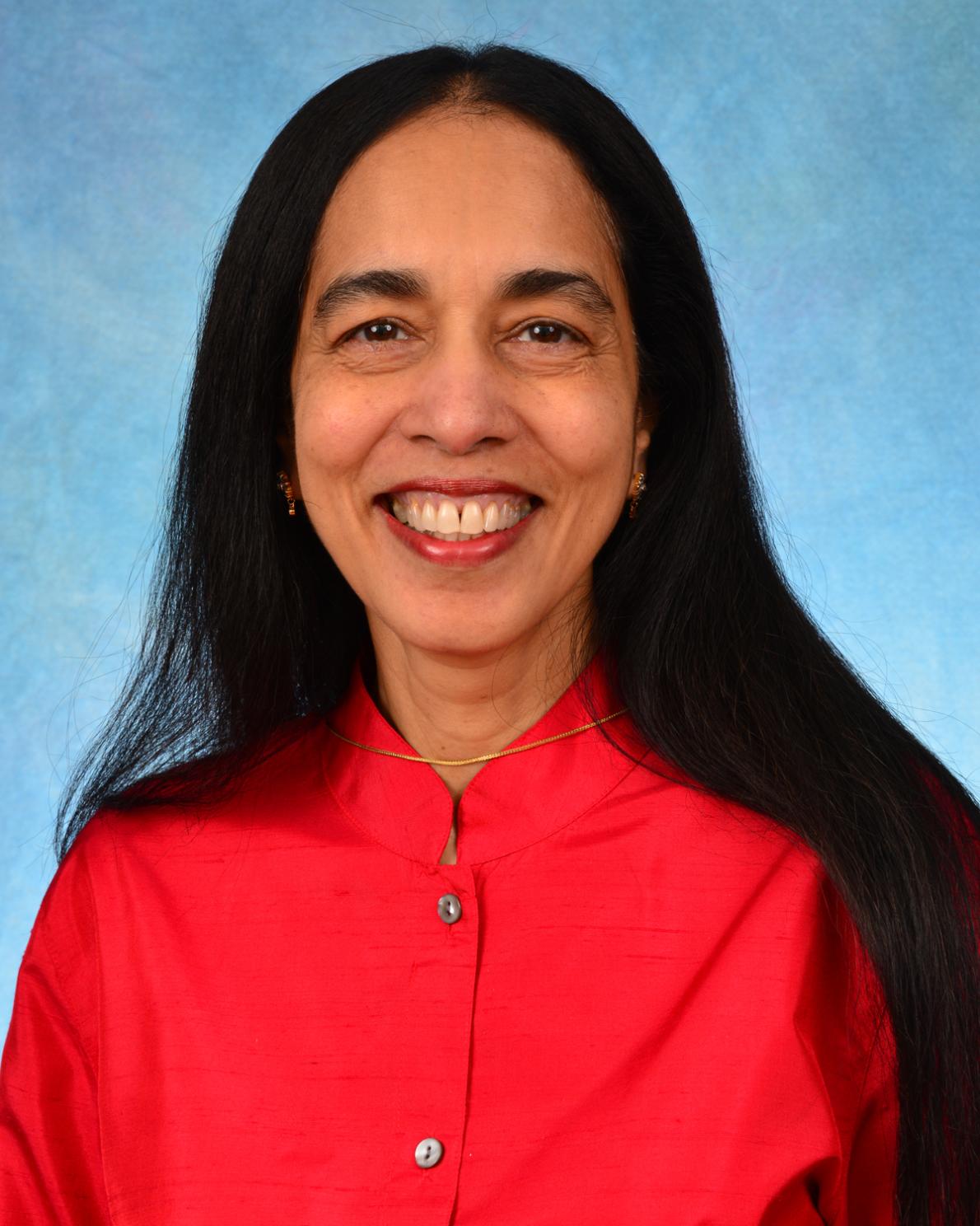
Alumni Profile: Prema Menezes
What first inspired you to pursue a career as a physician assistant?
I wanted to be in health care and take care of patients, but I didn’t feel like medical school was the right mixture of what I was looking for.
Can you walk me through your path to PA school and what that process was like for you?
I was working as a microbiologist in Seattle and applied to the Duke PA program. At the time I applied, there were already three master level PAs, Washington and Seattle and Baylor Texas. I already had a master’s and wanted to go to one of them.
What stands out in your memory from your time at the Duke PA program?
What stands out is the incredible amount of hard work that was needed to go through the program, but it was a great experience because it was well organized, and I felt prepared. For my class, I enjoyed the camaraderie and loved the small groups and support. There were 42 people in the class. We still do reunions, like our 20th reunion and 25-year reunion.
What was it like stepping into the profession after graduation?
There was a learning curve. You only have 26 months of medicine, so there is on the job training for the first year. You learn more skills based on the fundamentals from the program.
What kind of work are you doing now, and what have been some of the roles you've held over the years?
I am on the faculty at UNC as a professor of medicine in infectious disease and administration. I am the associate director for research. I have a clinic where I see patients who are HIV positive, and I do a little bit of research.
How have you seen the PA profession grow or change since you entered the field?
There has been a lot of change. There are many more programs in the last 25 years, and almost all are now master’s programs. Students are somewhat younger, and the average age seems to be lower than what it used to be. The profession started with veterans with lots of experience. Anything they learned boosted that knowledge. I do not know if the current group is similar to that. Compared to what it used to be, the 24 months may not be long enough.
Have you been involved in anything outside of clinical practice, such as teaching, leadership, or advocacy?
I like to say that I am a clinical scientist, not just a clinician.
What lessons or experiences from your journey would you want to share with students today?
Being a health care provider is a privilege. Someone is trusting you with their lives, and at no time should we take that lightly. It comes with a responsibility and commitment to provide the care they need. It is an honor and a privilege.