

Stress before surgery may matter more than doctors once thought. A new Duke University School of Medicine study finds that even modest stress can affect how older adults recover from surgery.
The study, published in Anesthesiology, showed those who carried more worries into the operating room faced higher risks of delirium, experienced more uncontrolled pain, and spent extra days in the hospital afterward, even when they didn’t think of themselves as highly stressed.
The findings point to a simple but overlooked opportunity: identify and address patient stress before surgery to improve surgical outcomes, said senior study author Leah C. Acker, MD, PhD, an anesthesiologist at Duke Health.
More than 4 in 10 older adults scheduled for major surgeries, not including heart or brain operations, said they experienced moderate to high distress, a level comparable to patients with advanced cancer.
Stress among cancer patients is often tracked, but the Duke study is one of the most in-depth looks at pre-surgery stress in the general geriatric surgical population.
Surprisingly it wasn’t how intense the worry felt, but the number of stressors a patient faced before surgery that predicted worse outcomes. Stress count was strongly correlated with pain levels and hospital stays. The odds of experiencing delirium grew with each additional stressor.
Acker described an “overwhelmed phenotype,” in which small stressors pile up to the point of hindering recovery.
Among patients who experienced delirium, the median distress intensity was 3.5 (measured on a scale of 0 to 10) compared with 2 for those who did not.
Although the study focused on adults age 65, the results may apply to surgical patients of all ages.
A wide net of worries
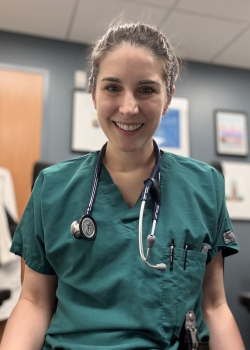
To measure stress, researchers used a three-minute, tablet-based version of the National Comprehensive Cancer Network Distress Thermometer with 132 patients between November 2022 and December 2024.
Patients rated their distress before surgery, selected concerns from a 39-item checklist and shared open-ended thoughts.
Common pre-surgery worries included sleep and appetite changes, communication with the health care team, and family-related stress.
“These are very common concerns, and many are ones we can address,” said Acker, an affiliate of the Duke Center for the Study of Aging and Human Development.
“As the anesthesiologist, I have things I’m responsible for to keep a patient safe,” she said. “But patients have their own concerns too. The survey takes just minutes and gives us a window into what matters most to them, so we can tailor conversations or simple interventions that can make a difference.”
When patients were asked to write about what caused them the most stress in the past month, tops were caregiving responsibilities and fear of losing independence.
In write-in comments, others went deeper sharing personal worries that were immediate and tangible — concerns about break-ins, identity theft, home repairs, and bills. Others described existential concerns about the “general direction of the country,” and holding on to activities that bring them joy and meaning like traveling, concerts, and golfing.
Although most of the group were retired, many expected to keep up with daily demands of caring for pets, spouses and grandchildren.
“Overall, these free-text responses highlight the complex and often unspoken concerns that weigh on geriatric patients as they await surgery,” authors wrote.
Hidden surgery risk for older adults
Because most adults over age 65 will undergo surgery at least once, Acker says doctors need better ways to spot who may be at risk for problems after surgery.
One of the most serious post-operative risks is delirium, a sudden state of confusion that makes it hard to think clearly or to follow a conversation. Delirium is particularly devastating for older adults. It adds billions of dollars to hospital costs, often means longer hospital stays, and even one episode can greatly raise the risk of developing dementia later in life.
“This became more than a checklist,” said Acker, an assistant professor of anesthesiology and assistant research professor in neurobiology at Duke School of Medicine. “The patients were honest and vulnerable. You don’t know what someone is carrying unless you ask — and ask in a structured way.”
Aker says a larger study could pinpoint which stressors matter most, offering clearer insight into how patients can achieve the best possible recovery.
Authors: Isabella Kjaerulff; Heather Whitson; Sloan Soyster; Matthew Fuller; Mary Wright; Jeanna Blitz; Jeffrey Browndyke; and Joseph Matthew, all of Duke University and Duke School of Medicine.
Funding: Support for the study was provided by the National Institutes of Health Institute on Aging (Grant Nos. 1R03AG078891-01 and 1R01AG088329-01); Society for Neuroscience in Anesthesiology and Critical Care; Foundation for Anesthesiology Education and Research; Duke Claude D. Pepper Older Americans Independence Center; Duke Aging Center of Duke University; and the Duke Department of Anesthesiology.