
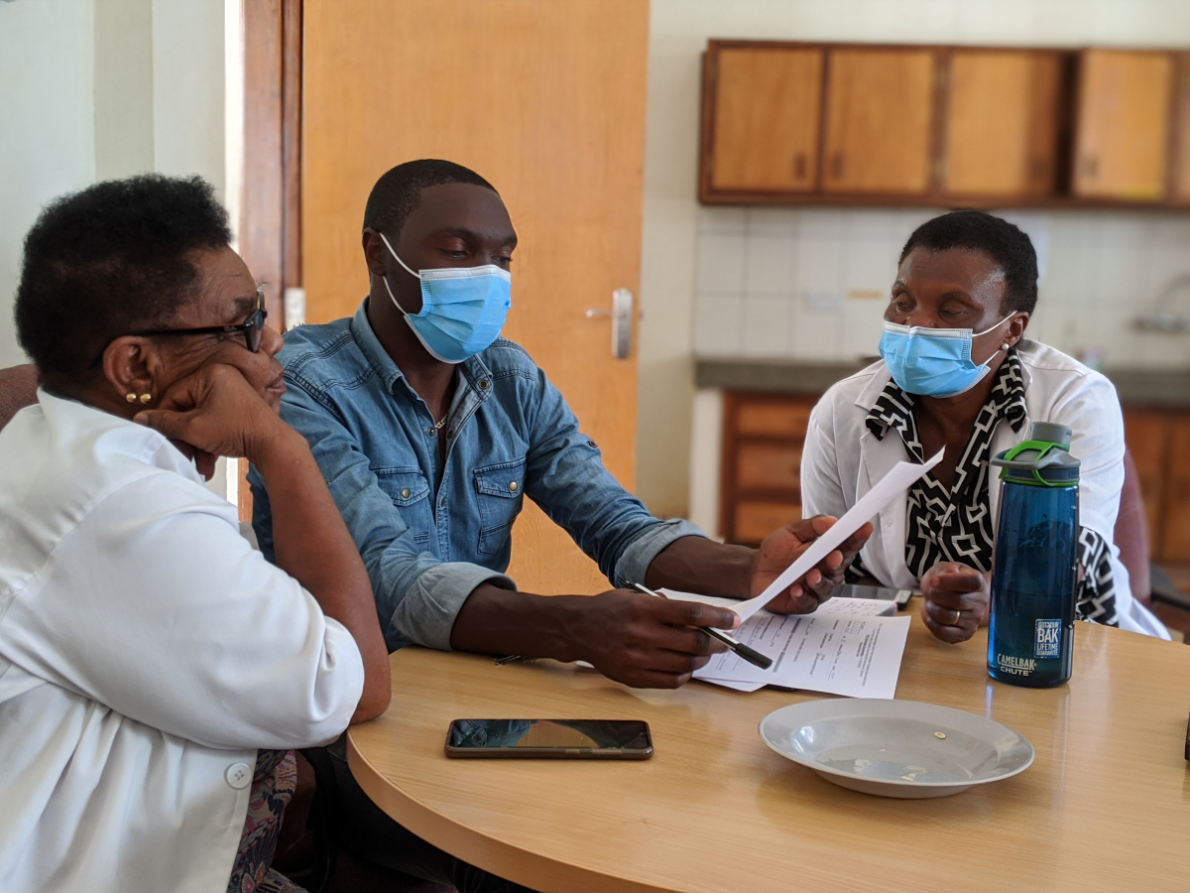
People who arrive in the emergency room after suffering from alcohol-related injuries — another fall, another accident — expect routine treatment and quick discharge, but nurses in Tanzania are providing patients with a new type of support and a chance to examine their drinking habits .
A study led by Duke University School of Medicine researchers found that a 15-minute conversation followed by a series of motivational text messages can significantly reduce alcohol use among people treated for drinking-related injuries.
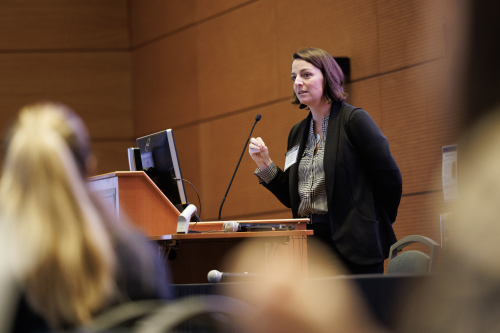
“It was really powerful to see that one tiny conversation allowed someone to realize the problem, go through this process, and come up with the tools to make a change,” said Catherine Staton, MD, PhD, MSc , professor of emergency medicine and leader of the study.
Researchers found this quick, low-cost intervention offered a practical way to curb harmful drinking habits in places with limited resources.
Results showed that within three months, participants in the conversation and text groups reported binge drinking nearly three days less per month than their average, a greater reduction compared to the usual care group.
The “Reduce Alcohol for Your Health” trial launched at Kilimanjaro Christian Medical Center in 2020 and focused on patients who were using alcohol at high-risk levels and sustained an injury that brought them to the emergency department. The majority were male s , and many were motorcycle taxi drivers whose daily routines had become closely intertwined with drinking.
These 448 patients were randomized into three groups; the first group received only the initia l conversation, the second group received the conversation and weekly text messages, and the last group received the conversation plus personalized messaging.
During the conversation, clinical nurses, trained by the study team, sat down with patients, and talked with them in Swahili about the risks of drinking alcohol . They then asked patients about what they wanted to change and why and provided guidance on how to achieve those goals.
“Tanzanian nurses motivated their patients to understand the impact that alcohol is having on their lives and then talk about ways that the patient would like to change their behavior,” said Staton, who serves as vice chair of research strategy & faculty development in the Duke Department of Emergency Medicine .
“It’s a very empowering conversation and is different from their typical model of patient interaction ; it ha s been received quite well by both nurses and patients.”
For many patients, the chance to talk openly with a health care professional was rare and welcomed.
“Patients were eager to have more interaction with their treatment team and open to communicating with health care personnel about what might benefit their care,” Staton said.
Small messages, big impact
After the hospital visit, support continued for those in the intervention and standard booster group. They received weekly texts from staff on Thursdays, timed intentionally before the weekend, reminding them about the benefits of limiting alcohol.
For patients in the intervention plus personalized booster group, communication was personalized to their own stated goals . If a person expressed a desire to limit their drinking to spend more time with their family, their messages reflected that goal: “Stay focused. Make a plan . Remember your motivation to spend more time with your family. ”
Addressing a growing problem
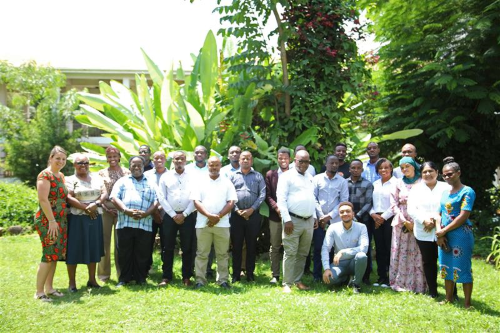
The intervention was born out of long-standing collaboration between the Duke Global Health Institute and Tanzanian health professionals.
Staton, Director of the GEMINI (Global Emergency Medicine Innovation and Implementation Research Center), has been collaborating with Kilimanjaro Christian Medical Center since 2011 . “The first thing we asked was, what is the biggest need?” she said.
After creating and analyzing the hospital’s emergency department trauma registry, Staton and her team discovered that one out of every three people engaged in harmful or hazardous alcohol use behavior.
Tanzania has the third highest alcohol consumption in Africa, and it is growing despite the overall decreasing trend across the continent. The Kilimanjaro region of Tanzania has one of the highest reported rates of alcohol consumption in the country and has one of the highest rates for alcohol-related deaths in sub-Saharan Africa. While alcohol use is extremely popular across the region, the dangers of excessive consumption aren’t widely known.
In many parts of Tanzania, it is common for people to brew alcohol at home instead of inside licensed facilities, which limits oversight from officials. Brewing alcohol only costs a few dollars and can be sold to others with varying alcohol concentrations, increasing accessibility. However, the financial strain caused by frequent use is felt by many.
“Many motorcycle taxi drivers spend their limited salaries on alcohol,” Staton said , noting her previous research demonstrated that this combination of alcohol use and driving puts them at a much higher risk of getting hurt.
Designing with culture in mind
As she began crafting this intervention, she and her team were faced with some unexpected challenges. They redesigned their approach more than a few times to ensure that the study aligned with the patients’ culture and way of life in a way that also protected their privacy. A large obstacle they faced was in how to talk about feelings and mental health burdens as reasons people might drink.
“There's no common word for depression in Swahili, people use the word ‘stress’,” Staton said.
“We spent a lot of time trying to understand what were the feelings that people were having, how do they define that, and how do we screen for depression and suicidality in this high-risk population when we don't have the same terminology or cultural understanding of what depression is.”
She infused input they received from the Tanzanian teams’ psychiatrist and counselor, Kim Madundo , MD, about their experiences working with patients with depression to better connect with participants. “We had to understand why people were drinking to be able to say, ‘there might be different ways of managing that,’” Staton said.
A model that travels
The Duke team , along with the Tanzanian team, led by Staton’s mentor, Blandina Mmbaga , MD, PhD, are now examining the longer-term impacts of the invention on patient care and lifestyle improvements.
‘We're making an impact and demonstrating that this intervention reduces alcohol use. Now, how do we sustain that behavior change as we move forward?” Staton said.
In an upcoming paper, Madundo writes that participants described the intervention as life changing.
“This is particularly relevant in resource-limited settings where mental health professionals are scarce, transitional support between acute care and recovery is lacking, and traditional treatment options for alcohol use disorder are also lacking,” Madundo wrote.
“We know that substance use and mental health are intertwined no matter what the country,” Staton said. “This is the first step to a much larger program and project for how we start to address this problem globally.”