
Duke University has awarded distinguished professorships to 22 faculty members in the School of Medicine. They will be honored at the university’s annual distinguished professorship event on May 18.
In total, the Board of Trustees in February approved distinguished professorships to 38 faculty across Duke University, effective July 1, 2025, or thereafter.
Distinguished professorships are awarded to faculty who have demonstrated extraordinary scholarship in advancing science and improving human health.
The School of Medicine’s 2026 cohort of new distinguished professors are:
Stephen & Frances Foster Distinguished Professor of Ophthalmology
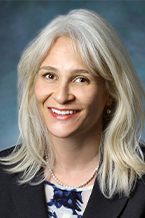
Esen Karamursel Akpek, MD
Esen Karamursel Akpek, MD, is a professor of ophthalmology, director of the Frances and C. Stephen Foster Center for Ocular Immunology and Inflammation, and chief of the Division of Ocular Immunology. She is an internationally recognized leader in ocular immunology and corneal disease whose clinical, scientific, and educational contributions have transformed the field. A clinician-scientist with dual expertise in complex anterior segment surgery and ocular immunology, she has redefined standards of care in dry eye disease, Sjögren’s syndrome, ocular surface disorders, and corneal transplantation, including pioneering advances in artificial corneal devices and the integration of artificial intelligence into ophthalmic diagnostics.
George Barth Geller Distinguished Professor for Research in Cancer
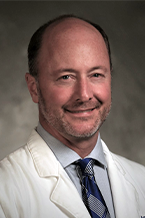
Andrew John Armstrong, MD, MSc
Andrew John Armstrong, MC, MSc, is a professor of medicine in the Division of Medical Oncology who also has appointments in the departments of urology and pharmacology & cancer biology. He is a globally recognized physician‑scientist in genitourinary medical oncology whose translational research has significantly advanced the understanding and treatment of advanced prostate cancer. His research focuses on precision therapies and biomarkers aimed at improving patient outcomes, preventing metastatic disease, and understanding the biology of aggressive prostate cancers and other genitourinary cancers. His work has played a central role in the development of several major prostate cancer therapies.
James & Alice Chen Distinguished Professor in Radiology
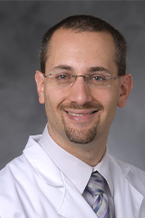
Mustafa Shadi Rifaat Bashir, MD
Mustafa Shadi Rifaat Bashir, MD, is a professor and executive vice chair for research in the Department of Radiology and director of the Center for Advanced Magnetic Resonance Imaging. He also has an appointment in the Department of Medicine. He is a nationally recognized leader in abdominal magnetic resonance imaging with particular expertise in hepatobiliary diseases. His academic focus centers on advancing abdominal MRI technology and improving diagnostic accuracy for patients with chronic liver disease, cirrhosis, and pancreatic cancer. He has played an important role in helping establish standardized criteria for liver lesion characterization.
Alter Geller Distinguished Professor for Research in Immunology
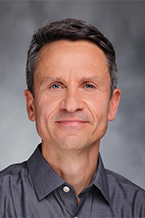
Jorn Coers, PhD
Jorn Coers, PhD, is a professor in molecular genetics and microbiology, professor of integrative microbiology, and professor in cell biology. He is recognized for his groundbreaking contributions to microbiology, infectious diseases, host-pathogen interactions, and innate immunity. His research focus is on understanding fundamental aspects of the immune response to microbes as well as the corresponding immune evasion strategies evolved by human pathogens to undermine immunity and establish infections. His work has led to paradigm shifts in the field, uncovering novel immune pathways and mechanisms that could inform therapeutic strategies for combating infections and inflammatory diseases.
Robert Machemer, MD, Distinguished Professor of Ophthalmology
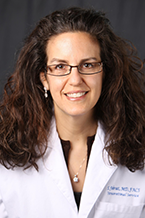
Sharon Fekrat, MD
Sharon Fekrat, MD, is a professor and vice chair for faculty affairs in the Department of Ophthalmology. She also has appointments in the departments of surgery and neurology. She is recognized internationally for her contributions to retinal disease research, the intersection of ophthalmology with data science, and her innovative approaches and novel therapeutics. She has profoundly advanced the understanding and treatment of retinal venous occlusive diseases, and she founded the interdisciplinary and multi-institutional iMIND Research Group, which focuses on using retinal and choroidal imaging to detect neurocognitive and neurodegenerative disorders such as Alzheimer’s and Parkinson’s diseases.
Disque D. Deane Distinguished Professor of Neurology
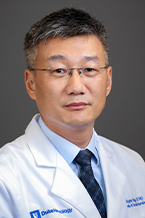
Wuwei Feng, MD
Wuwei Feng, MD, is a professor, chief of the Stroke and Vascular Division, and director of the Comprehensive Stroke Center in the Department of Neurology. He also has an appointment in biomedical engineering in the Pratt School of Engineering. He is an internationally recognized expert in stroke care delivery and rehabilitation whose contributions have significantly improved stroke care and outcomes. His research focus includes developing imaging biomarkers for post-stroke motor outcomes prediction and the advancing non-invasive brain stimulation tools, such as transcranial direct current stimulation, vagus nerve stimulation, low intensity focused ultrasound, and transcranial light stimulation to enhance post-stroke recovery.
Duke School of Medicine Distinguished Professor of Head and Neck Surgery & Communication Sciences
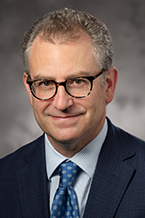
Bradley John Goldstein, MD, PhD
Bradley John Goldstein, MD, PhD, is a professor in the Division of Rhinology and Skull Base Surgery in the Department of Head and Neck Surgery & Communication Sciences. He also has appointments in the Department of Cell Biology and the Department of Neurobiology. A leading figure in olfactory neuroscience and rhinology, his clinical specialty focuses on the medical and surgical care of nasal and sinus disorders, with a research program dedicated to understanding damage and repair in the peripheral olfactory system, using cell culture and mouse models as well as human tissue and single-cell techniques.
Florence McAlister Distinguished Professor of Medicine

Susan Nicole Hastings, MD
Susan Nicole Hastings, MD, is a professor and chief of the Division of General Internal Medicine in the Department of Medicine. She also has an appointment in the Department of Population Health Sciences. She is a nationally recognized leader in geriatrics, health services research, and implementation science whose work has transformed care delivery for older adults across diverse health systems. Her scholarly contributions focus on designing, evaluating, and disseminating innovative care models that improve outcomes for medically complex, vulnerable older patients, and she is also a pioneer in improving emergency department care for older adults.
Minnie Geller Distinguished Professor of Research in Genetics
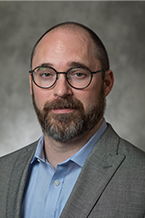
Nicholas Scott Heaton, PhD
Nicholas Scott Heaton, PhD, is a professor of molecular genetics and microbiology who also has appointments in cell biology and integrative immunobiology. He is an internationally recognized virologist whose pioneering research in influenza biology, host–pathogen interactions, and innovative vaccine engineering has significantly advanced the fields of microbiology and immunology. His research spans fundamental discovery, translational science, and cutting‑edge molecular engineering approaches, focusing on how viruses such as influenza and SARS‑CoV‑2 infect and damage the respiratory epithelium, how host cells survive viral challenge, and how innate and adaptive immune responses can be harnessed or enhanced.
Duke Distinguished Professor of Orthopaedic Surgery
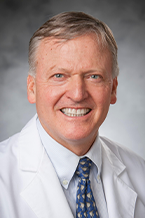
William Arthur Jiranek, MD
William Arthur Jiranek, MD, is a professor of orthopaedic surgery. He is leading expert in hip and knee arthroplasty whose scientific contributions, program‑building, and leadership have reshaped approaches to osteoarthritis care, prosthetic joint infection, and the economics of musculoskeletal health. His research and insights have informed clinical practice and health policy and improved patient outcomes. His approach emphasizes physical activity, nutrition, psychological well‑being, and coping skills in managing osteoarthritis and optimizing surgical outcomes. He founded Duke’s Joint Health Program, a multidisciplinary initiative that teaches patients self‑management strategies and provides comprehensive nonoperative care for hip and knee osteoarthritis.
Distinguished Professor of Anesthesiology
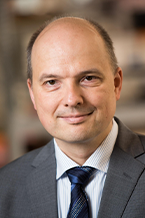
Sven Eric Jordt, PhD
Sven Eric Jordt, PhD, is a professor in anesthesiology and a professor of pharmacology and cancer biology. He is an internationally recognized interdisciplinary scientist whose work spans pain research, environmental health sciences, chemical injury, and tobacco control. His research focuses on the mechanisms that enable humans and animals to sense touch, pain, and irritation. His lab aims to identify the molecular components of the signaling pathways that translate environmental, physical, and chemical stimuli into neural activity. His discoveries have fundamentally reshaped the understanding of chemical injury and informed state and federal regulatory policies.
Joseph A.C. Wadsworth Distinguished Professor of Ophthalmology
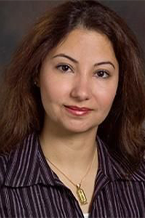
Goldis Malek, PhD
Goldis Malek, PhD, is a professor and vice chair of academic excellence and engagement in the Department of Ophthalmology. She also has appointments in the departments of cell biology and pathology. She is internationally recognized leader in the molecular and cellular mechanisms underlying age‑related retinal diseases, particularly age‑related macular degeneration (AMD). Her research investigates the cellular and molecular pathogenic mechanisms underlying the three clinical subtypes of AMD, focused on understanding signaling pathways critical in initiation and progression of AMD and identifying therapeutic targets. Her research has fundamentally reshaped conceptual frameworks for retinal physiology and disease.
James B. Duke Distinguished Professor of Cell Biology
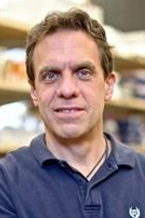
Christopher Vincent Nicchitta, PhD
Christopher Vincent Nicchitta, PhD, is a professor of cell biology who also has appointments in the departments of pathology and biochemistry. He is leading molecular biologist whose research investigates how cells control the location and timing of protein synthesis, with a focus on mRNA localization — the process by which mRNAs are targeted to specific sites within the cell to direct protein production. This spatial and temporal regulation is essential for cell signaling, division, and overall cellular dynamics. His research on mRNA localization to the endoplasmic reticulum has reshaped our understanding of how cells spatially organize gene expression.
George Barth Geller Distinguished Professor for Research in Pharmacology
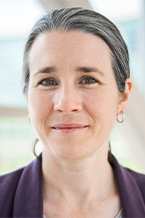
Trudy G. Oliver, PhD
Trudy G. Oliver, PhD, is a professor of pharmacology and cancer biology. She is an internationally recognized cancer biologist whose work has transformed the understanding of small cell lung cancer and lung squamous cell carcinoma. Her research investigates mechanisms of tumor cell fate, lineage plasticity, and drug resistance to uncover vulnerabilities that can be therapeutically targeted. She has developed sophisticated genetically engineered mouse models and patient‑derived models that authentically reflect human tumor development, enabling breakthroughs in tumor initiation, heterogeneity, lineage plasticity, and therapy resistance.
Ursula Geller Distinguished Professor of Research in Cardiovascular Diseases
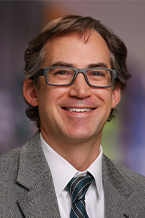
Jonathan Paul Piccini Sr., MD, MHS
Jonathan Paul Piccini, Sr., MD, MHS, is a professor and director of the Cardiac Electrophysiology Section in the Division of Cardiology in the Department of Medicine. He also has an appointment in population health sciences. His focus is on the care of patients with atrial fibrillation and complex arrhythmias, with particular emphasis on catheter ablation, pacing, and lead extraction. His research interests include the development and evaluation of innovative cardiovascular interventions for the treatment of heart rhythm disorders. He has made seminal contributions in his field, and his work has led to numerous changes in clinical guidelines.
Alter Geller Distinguished Professor for Research in Immunology
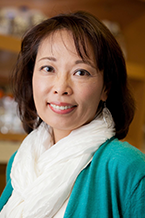
Mari L. Shinohara, PhD
Mari L. Shinohara, PhD, is a professor and director of graduate studies in the Department of Integrative Immunobiology. She also has appointments in neurobiology, cell biology, and molecular genetics and microbiology. Her research focuses on understanding how the immune system fine-tunes the balance between protective responses against pathogens and excessive and uncontrolled responses that can lead to autoimmunity. Her research program integrates fungal immunology, autoimmune disease mechanisms, and neuroimmunology, uncovering fundamental principles that connect these traditionally separate fields, and her work has clarified the inflammatory changes that occur during the development of autoimmunity and fungal infections.
Duke School of Medicine Distinguished Professor in Neuroscience
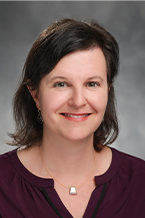
Debra Lynn Silver, PhD
Debra Lynn Silver, PhD, is a professor in cell biology with appointments in molecular genetics and microbiology and neurobiology. Her research program bridges developmental neurobiology, RNA biology, and evolution, focused on elucidating genetic and cellular mechanisms controlling cortical development and contributing to neurodevelopmental pathologies and brain evolution. She studies neural progenitors, essential cells which generate neurons and are the root of brain development. She is an internationally recognized geneticist and developmental neurobiologist whose work has significantly advanced our understanding of how the mammalian and human brain develops, and how these processes fail in congenital disorders such as microcephaly.
Catherine Wilfert Distinguished Professor of Emergency Medicine
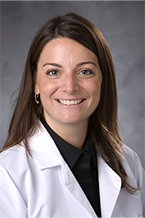
Catherine Ann Staton, MD, PhD
Catherine Ann Staton, MD, PhD, is a professor of emergency medicine who also has appointments in neurosurgery and population health sciences. Her research integrates innovative implementation methods into health systems globally and locally to improve access to acute care. She is leader in global emergency medicine whose work has transformed the field by advancing system-level solutions for acute care in low-resource settings. She has pioneered an interdisciplinary and decolonized approach to global health, establishing one of the largest and most well-funded Emergency Medicine Global Health programs in the United States, emphasizing capacity building, training, and research.
Carol Gram Deane Presidential Distinguished Professor in Neurosurgery
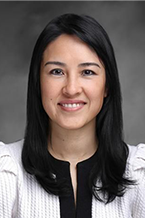
Nanthia Suthana, PhD
Nanthia Suthana, PhD, is a professor in neurosurgery who also has appointments in biomedical engineering and neurobiology. Her research aims to advance our understanding of the neural mechanisms underlying memory and emotion, with a focus on developing innovative neuromodulation and neuroimaging technologies. By integrating intracranial electrophysiological recordings with non-invasive peripheral measurements, she seeks to improve treatments for neurological and psychiatric disorders and provide new tools for studying brain function in real-world contexts. She is an internationally recognized neuroscientist and neurotechnology innovator whose work has transformed the study of human brain function, cognitive neuroscience, brain-machine interfaces, and translational neurotechnology.
Minnie Geller Distinguished Professor for Research in Genetics
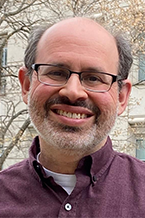
David M. Tobin, PhD
David M. Tobin, PhD, is a professor of molecular genetics and microbiology who also has appointments in cell biology and integrative immunobiology. His research focuses on understanding the interplay between mycobacteria and their hosts, using model organism genetics, human genetics, pharmacology and high-resolution microscopy. By identifying key pathways utilized by the infecting bacteria and the host innate immune system, he seeks to discover new therapeutic targets and interventions to combat tuberculosis. His work integrates zebrafish genetics with mechanistic studies of mycobacterial pathogens, advancing fundamental understanding of host–pathogen interactions relevant to human diseases including tuberculosis and leprosy.
Joseph W. and Dorothy W. Beard Distinguished Professor of Surgery
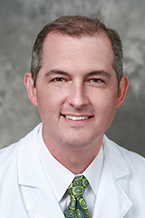
Joseph W. Turek, MD, PhD
Joseph W. Turek, MD, PhD, is a professor of surgery and a professor in pediatrics. He is an internationally recognized pediatric cardiac surgeon whose innovations have transformed the care of children with congenital heart disease. He has pioneered several procedures that have expanded the possibilities of pediatric heart transplantation, including the world’s first partial heart transplant, the nation’s first pediatric heart transplant using donation after circulatory death with ex vivo heart perfusion, and the world’s first cotransplantation of a heart and cultured thymus tissue from a single donor, restoring both cardiac function and the recipient’s immune system with minimal immunosuppression.
James B. Duke Distinguished Professor of Pharmacology and Cancer Biology
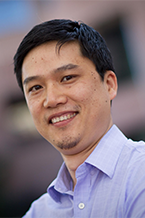
G. Greg Wang, PhD
G. Greg Wang, PhD, is a professor of pharmacology and cancer biology. His research focuses on mechanistic understandings of how chemical modifications of chromatin, including DNA methylation and histone modifications, regulate gene expression and cell fate determination during development, and how their deregulations lead to human diseases, notably cancer. He is an internationally recognized leader in chromatin biology and cancer epigenetics who has made transformative discoveries that have reshaped our understanding of fusion oncoproteins and their epigenetic functions in leukemia, prostate cancer, and sarcomas.