
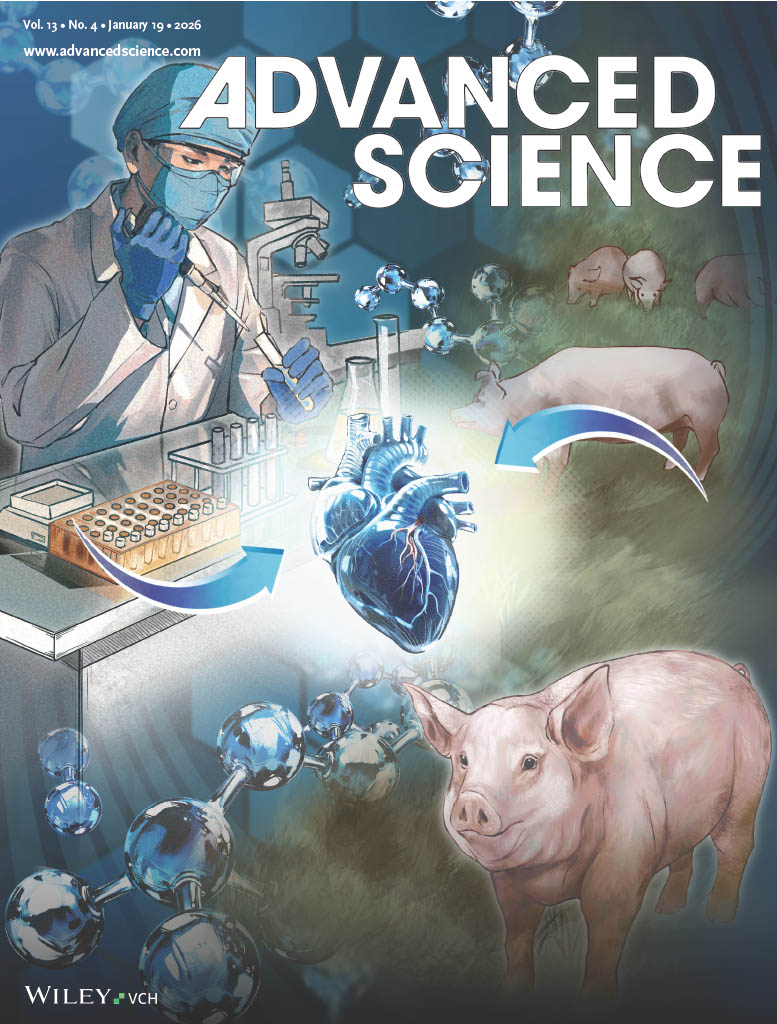
Duke researchers have developed both the first fast-acting, synthetic blood thinner that’s just as powerful as heparin, a medication that’s been used for heart surgeries and dialysis since 1935, and an antidote for the new drug.
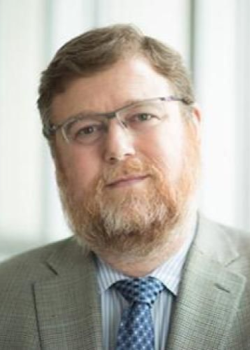
“The unmet need was providing physicians with more control over the medicine, and we invented a way to do that in the lab,” said Bruce Sullenger, PhD, Joseph W. and Dorothy W. Beard Distinguished Professor of Experimental Surgery, a biochemist and virologist.
“The first open heart surgery was performed more than 70 years ago,” said Sullenger. “Everything about the procedure: how it's done, the instruments, the surgical approach, has changed except for one thing,” Sullenger said. “And that’s the anticoagulant that was used, which is heparin.”
But some patients develop a resistance to this gold-standard drug of choice due to chronic illness, medication interference, or blood disorders. Others experience severe allergic reactions that can lead to serious, life-altering side effects.
In cases like these, a drug called Bivalirudin has been the standard substitute for decades, but there are limitations. It can’t be easily reversed, it’s not as strong as heparin, it requires constant monitoring, and it doesn’t last as long once administered.
Sullenger and his team built a new molecule that quickly and tightly binds to two sites on thrombin, the protein in blood that activates clotting. They chemically linked HD1, a nucleic acid aptamer and a DNA molecule, to Dabigatran, a blood thinner. HD1 latches onto the side of thrombin as Dabigatran binds to the active site of thrombin, where a soluble protein in liquid blood is converted into a solid net that acts as a sealant.
Study results showed that the new synthetic compound outperformed bivalirudin in several key areas. The dual binding approach made the molecule 1,000 times more potent than just Dabigatran alone. “Only when we link HD1 and Dabigatran, have we ever seen anything that's as potent as heparin,” Sullenger said.
The new drug stopped clotting within minutes of being administered in experiments with mice, blood, and ECMO, a machine that mimics the flow of blood during heart surgeries. It prevented arteries from being blocked in mice, while bivalirudin only delayed the blockage. It also kept the ECMO circuit free of clots for more than two hours, while large clots began forming after 30 minutes with bivalirudin.
The new anticoagulant is an achievement born from longstanding collaborations with surgeons and physicians at the Duke Clinical Research Institute. “This is a good example of us working hand-in-glove with clinical staff and faculty,” Sullenger said.
“The physicians said, ‘Here’s a need. Can you go to the lab and invent something to address this?’ And we were able to come up with a good solution,” he said, noting that it was a challenge he was eager to tackle.
Another added benefit — the synthetic compound is more environmentally friendly than heparin. More than one billion pigs a year are required to meet the world’s current demand for heparin, which comes with a very high carbon cost, Sullenger said.
“The amount of heparin per pig is low,” Sullenger said. “You're not getting a huge amount of heparin out of each animal, so you need a lot of animals.” Though the current demand is met by using byproducts of the meat industry, he expects the need for heparin to grow as our population ages.
One gram of heparin – an amount that weighs as much as a paper clip – produces approximately the same volume of carbon dioxide as a 60-to-90-mile drive.
“I like to say that the cost of heparin is like the cost of fossil fuels,” Sullenger said. “It’s common, we're addicted to it, and it's cheap to make, so it's hard to stop using it. But like fossil fuels, there’s a climate cost.”
The Antidote
The team didn’t just create a new blood thinner, they simultaneously engineered its RNA sequence to create an antidote. “Biology uses RNA as a switch to go from one state to another, and so we took advantage of that natural ability to make a switchable drug,” said Sullenger. “You can tune it up and down, depending on how much of the drug you want.”
Sullenger has been studying RNA viruses like HIV since the mid-1980’s. “I wanted to figure out how we could take what we were learning about RNAs and make them into medicines,” he explained.
“I was very interested in making RNA molecules that can inhibit proteins, including ones involved in blood clotting, because it's a big problem in surgery,” Sullenger said.
The antidote reversed the new blood thinner’s effects within seconds. It’s a welcome benefit, as bleeding from heparin remains an ongoing challenge for physicians, especially when large amounts are needed during complex surgeries like cardiopulmonary bypass, said James Frederiksen, MD, a retired cardiothoracic surgeon who worked as a volunteer consultant in Sullenger’s lab for the study.
“Physicians could use it if a patient began to bleed uncontrollably, or if they wanted to restore normal blood clotting at the end of a procedure,” Sullenger said.
While the new compound and antidote Sullenger and his team created still must undergo further testing before it's deemed safe for human trials, Frederiksen believes this is just the first step in a series needed to reshape care.
“I think this could be a revolutionary change in the way anticoagulation is considered for clinical procedures,” Fredericksen said.