
OBGE Professional Development Award
OBGE Professional Development Awards are designed to support professional development for biomedical PhD trainees who have shown an interest in engaging in OBGE’s mission to develop student’s full potential as independent scientists. The award provides reimbursement for activities that directly enhance the recipient’s professional growth, including, but not limited to conference registration and travel and workshop attendance.

The Noncoding Regulators of the Brain
Noncoding RNAs are proving to be critical players in the evolution of brain anatomy and cognitive complexity.

Call for Applications for Fund to Retain Clinical Scientists at Duke
The School of Medicine Office for Faculty and Office of Physician-Scientist Development are now accepting applications for the Fund to Retain Clinical Scientists at Duke. Supported by awards from the American Heart Association, Doris Duke Charitable Foundation and Dean Mary Klotman, the Fund provides supplements of up to $30,000-$50,000 to clinician-scientists with significant caregiving responsibilities. Supplements are for 1 year, with the possible option to apply for a second year.
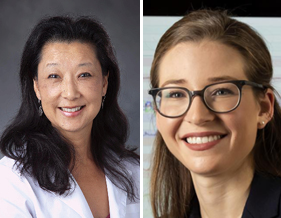
Study of Wearable Monitors Funded Through Seed Grant
Shelley Hwang, MD, MPH, Mary and Deryl Hart Distinguished Professor of Surgery and Jessilyn Dunn, PhD, Assistant Professor of Biomedical Engineering; Assistant Professor of Biostatistics and Bioinformatics, were among the recipients to receive funding from the inaugural Duke Science and Technology (DST) Launch Seed Grant Program. This team will use wearable devices to monitor up to 50 patients before and after surgery to track surgical recovery.

Beaman Wins Best Platform Presentation at David W. Smith Workshop
Makenzie Beaman, a pediatric scientist in training in the Medical Science Training Program (MSTP), was selected for the best fellow platform presentation award at the 43rd Annual David W. Smith Workshop on Malformations and Morphogenesis on August 23.
Out of the 64 fellows and medical genetics residents and fellows in the workshop, 13 were selected to give platform presentations. Beaman and one other were selected as the co-best presentation.
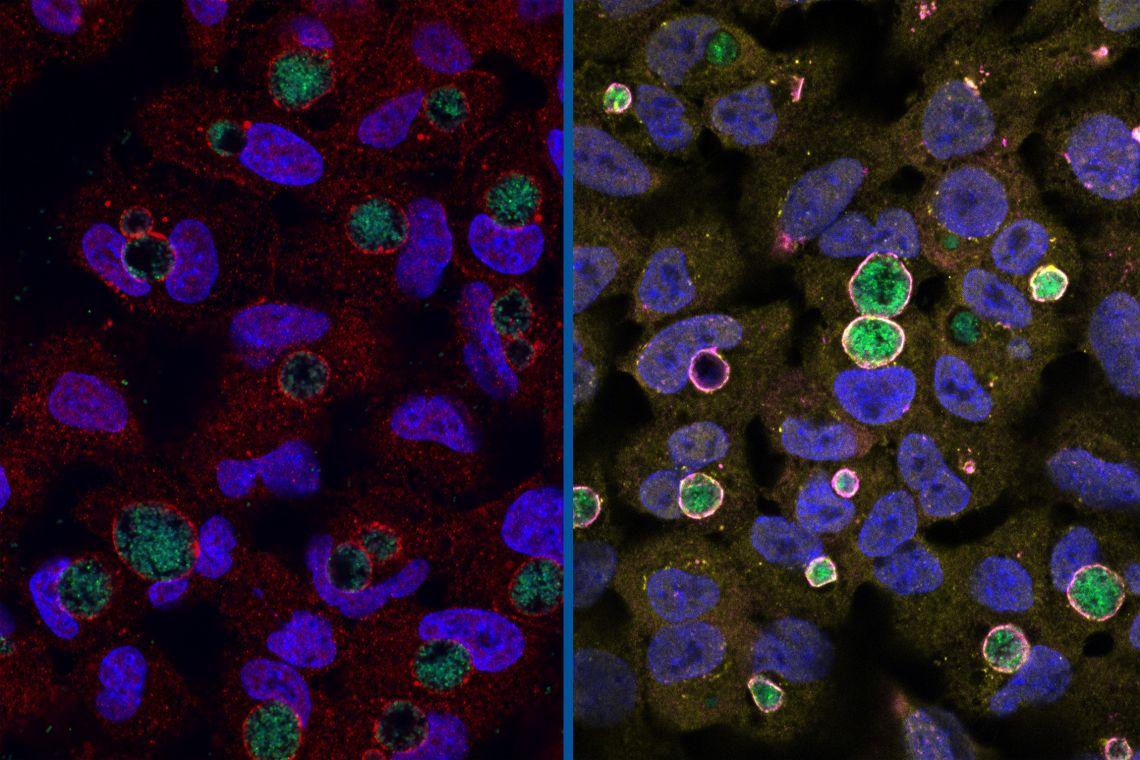
Chlamydia's Stealthy Cloaking Device Identified
Microbial proteins around a sexually transmitted infection allow pathogen to hide undetected inside host cells

Duke Awarded $12M Research Grant to Use Artificial Intelligence to Detect Autism
A core project will be led by Benjamin Goldstein, Ph.D., associate professor of biostatistics and bioinformatics, along with Gary Maslow, M.D., associate professor of psychiatry and behavioral sciences, will use artificial intelligence to analyze 260,000 health insurance claims, including those from 6,000 children diagnosed with autism, from birth to 18 months.

Microbial Job Stability
How functions in microbial communities remain constant despite varying compositions
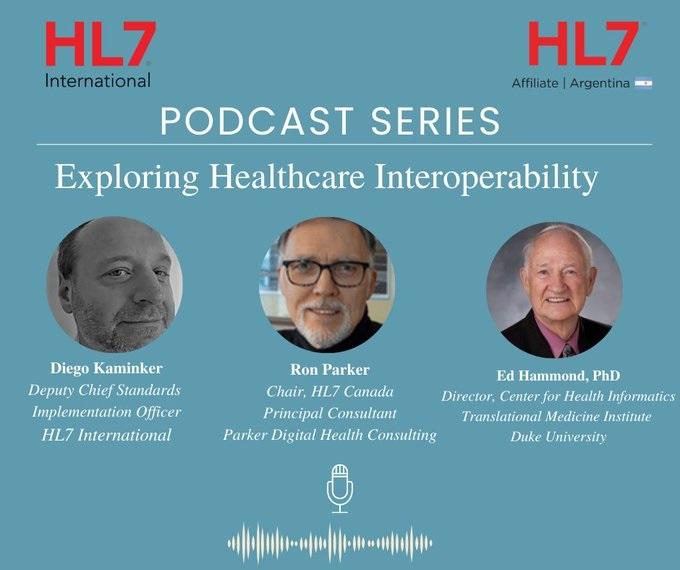
HL7's Hosting Podcast Series on Exploring Healthcare Interoperability
Ed Hammond, PhD, Duke University Clinical & Translational Science Institute and Diego Kaminker, Deputy Chief Standards Implementation Officer, explore Healthcare Interoperability through conversations with experts from around the world with guest expert Ron Parker. Listen to HL7's dynamic podcast series!
Listen

Welcome to our new Faculty Development Residents
Please join us in welcoming our new Faculty Development Residents: Dr. Robin Baker, Dr. Courtney Jeffries, and Dr. JD Sheppard. Learn more about them here.