


Project on Myopia Management for Children Wins $50,000 at Duke-Nus’ Annual Health Innovator Challenge
Next-generation healthcare solution takes top prize at the innovation challenge led by multidisciplinary student teams to address critical unmet clinical needs.
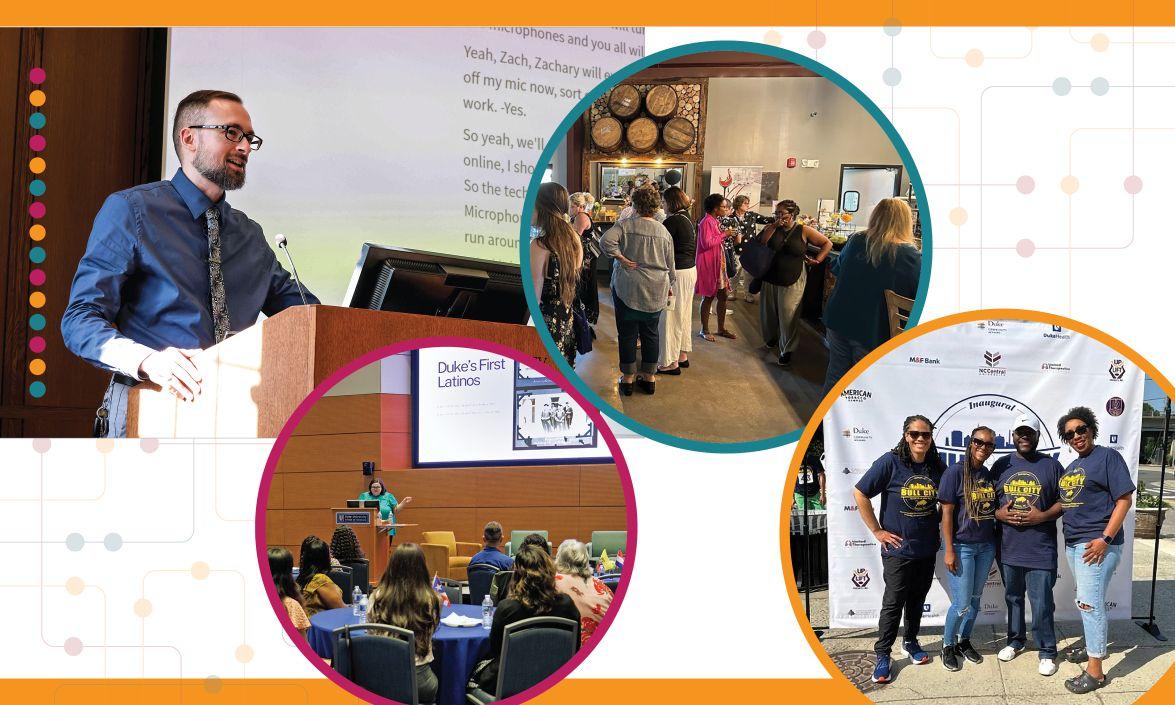
Building a Workplace of Belonging
¡DALHE! is among the many employee-led resource and affinity groups at Duke that bring colleagues together. The groups promote inclusion while fostering connections among colleagues and the wider community.
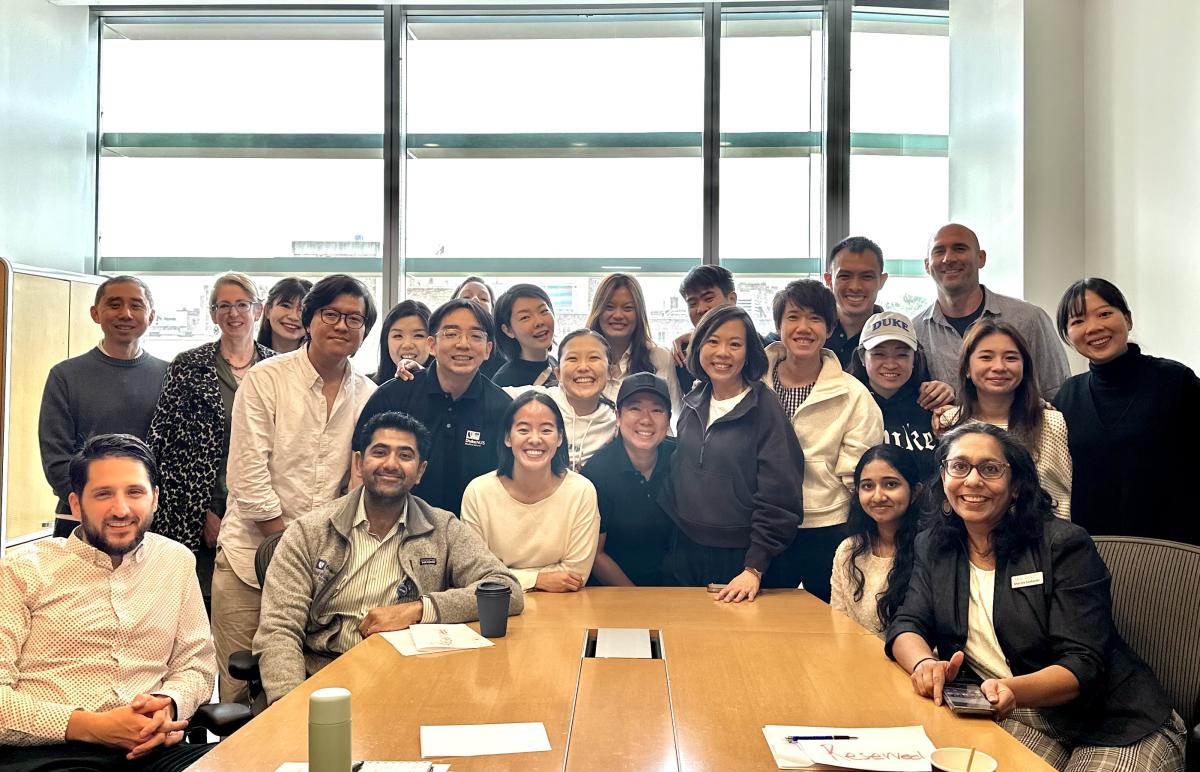
Duke-NUS Students Prepare to Shine on Dazzle Day After Weeklong Immersion at Duke
The Duke-NUS Health Innovators Programme (D-HIP) is a nine-month intensive program that uses an integrative approach that equips students with entrepreneurial and problem-solving skills to shape the future of care.
Duke-NUS to Award Travel Grant for Future Research Collaborations
Duke-NUS Medical School (Duke-NUS) is seeking applications from Duke University faculty interested in visiting and collaborating with Duke-NUS faculty on potential research projects.

Faculty Spotlight: Marcus Roll, PT, DPT
Marcus Roll, PT, DPT, is an assistant professor in the Duke Doctor of Physical Therapy (DPT) program, with a clinical focus on adult neurologic rehabilitation.
Q: When did you join the DPT division?
A: I joined Duke DPT as a student in 2008, returned as a faculty resident in 2016, and became a core faculty member in 2018.
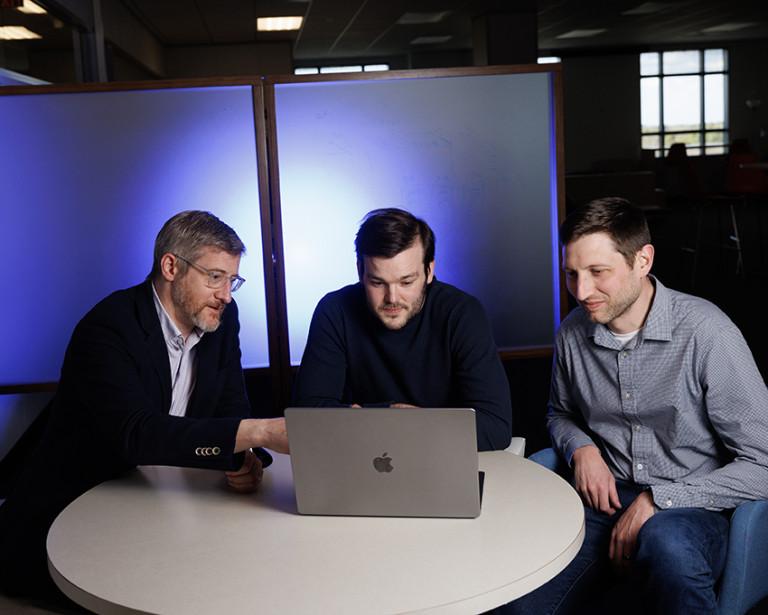
AI Model Predicts Risks and Potential Causes of Adolescent Mental Illness
An artificial intelligence model developed by Duke Health researchers accurately predicted when adolescents were at high risk for future serious mental health issues before symptoms became severe.

Impact of Disrupted Federal Funding on Rehabilitation Research: A Call for Advocacy in Physical Therapy
In a recent editorial, Steven Z. George, PT, PhD, FAPTA, professor, Departments of Orthopaedic Surgery and Population Health Sciences and the Duke Clinical Research Institute, Duke University, and Alan M. Jette, PT, PhD, FAPTA, professor, Boston University Sargent College of Health & Rehabilitation Science, explore the significant impact of recent disruptions in federal funding on rehabilitation research.

Free Group Coaching for SOM Faculty
In an effort to support our community during this time of uncertainty and rapid change, the School of Medicine Office for Faculty will be offering free virtual group coaching sessions for faculty members. Sessions are available March-May and are open to all SOM faculty members.
Sessions will focus on relevant topics such as:
Lunch'n'Learn with Twist Bioscience
Calling all genomics enthusiasts and science trailblazers! Fuel your curiosity (and your appetite!) at the upcoming Twist Bioscience Showcase. The speaker lineup will feature Aileen Ferraro, PhD, from Twist; Amy Goldberg, PhD, David M. Goodner Assistant Professor of Evolutionary Anthropology; and Devi Swain Lenz, PhD, director of the Sequencing and Genomic Technologies core facility and assistant research professor in molecular genetics and microbiology.
Thursday, March 13, 2025
11:30 AM - 1:30 PM
French Science 2237