
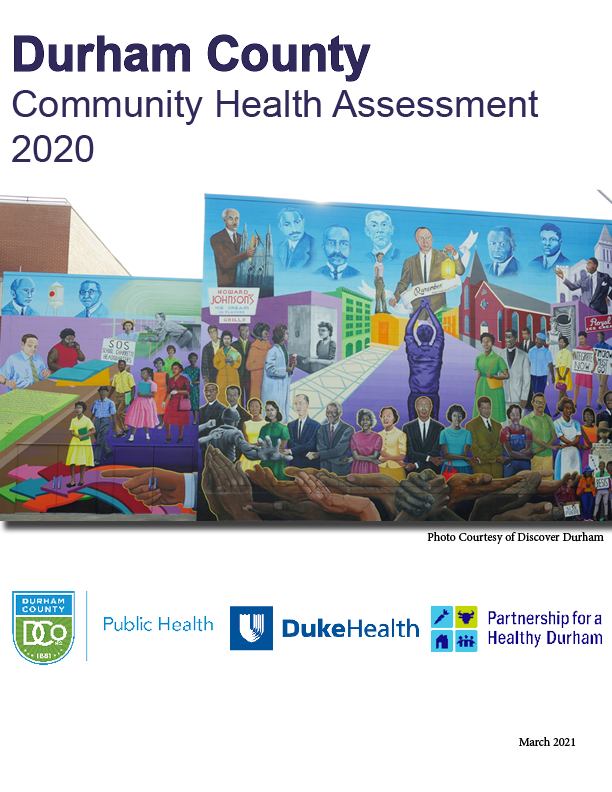
2020 Durham County Community Assessment: PCLT Students Recognized
The final draft of the 2020 Durham County Community Health Assessment is now available! This document is the result of approximately two years of work dating back to planning for the 2019 survey. There is an intentional focus on equity, new chapter on climate change, more inclusive history of Durham County and impacts of COVID-19 on the community.
None of this would have been possible the writers, survey volunteers, community members and the valuable partnership between the Durham County Department of Public Health, Partnership for a Healthy Durham and Duke Health.
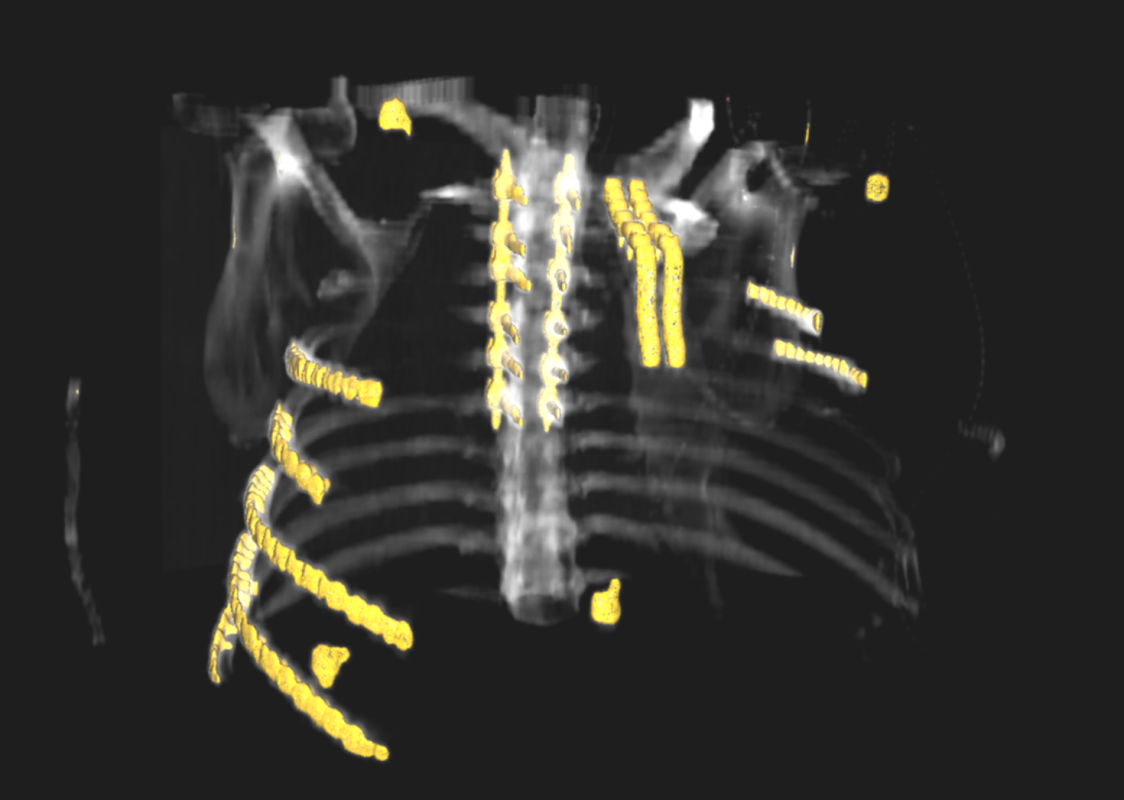
Using new materials to treat an old problem
A surgeon and a materials scientist at Duke joined forces to create new materials that could stabilize rib fractures, reduce pain and increase quality of life.
New Faculty Development Recordings Available
The Office for Faculty is happy to share new content on the Recorded Seminars page.

2021 NC Albert Schweitzer Fellowship - PCLT
Congratulations to two Duke students, Trisha Dalapati and PCLT's very own second year student Tamar Chukrun for being selected as 2021 NC Albert Schweitzer fellows. Their project centers on the interface of housing and healthcare access. Founded in 1994, the NC Albert Schweitzer Fellowship is one of thirteen currently active Schweitzer program sites across the U.S. dedicated to developing a pipeline of emerging professionals who enter the workforce with the skills and commitment necessary to address unmet health needs.
Duke Center for Applied Genomics and Precision Medicine and Duke-NUS find family health history collection increases chance of cancer carrier detection in genomics era
As large-scale genome screening programs continue to rise in popularity, the scientific community has questioned health history collection as a primary method for identifying actionable disease-risk assessments.

Chris Vail, PA, MMCi Class of 2012 shares his journey as Director of Clinical Informatics for Duke Surgery
In this recorded session hear from Chris Vail, PA, MMCi Class of 2012 as he shares his journey as Director of Clinical Informatics for Duke Surgery.
Duke CAGPM and Duke-NUS find Family Health History Collection Increases Chance of Cancer Carrier Detection in Genomics Era
Clinicians have historically used family health history collection as a primary method for identifying actionable disease-risk assessments. However, as large-scale genome screening programs continue to rise in popularity, the scientific community has questioned the efficacy of this traditional method, wondering at the superiority of variants identified by sequencing over family health history in identifying these risks.
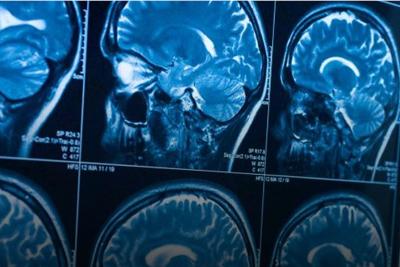
Using artificial intelligence to improve healthcare for all
Researchers are working to home in on the precise area in the brain where deep brain stimulation can reduce motor symptoms in Parkinson’s disease patients

Ferroptosis: An arrow into the metabolic Achilles' heel of recurrent breast cancer
Breast cancer is the second most common cancer among women in the United States. One in eight women will develop the disease. Typically, patients respond well to initial treatment, which usually includes some combination of surgery, radiation, chemotherapy and hormone treatment.

Duke starts sequencing COVID genes, finds two known variants
Duke University is employing a genome sequencing core facility in downtown Durham to identify the specific strains of the SARS-CoV-2 virus that have been found on the campus and in the Duke Health system.